1. Understanding Cape Cod Home Design
The distinctive cape cod home design forms an intrinsic part of American architectural history. Originating in the 17th century in New England, these homes exude a charm that is not just aesthetic but steeped in the cultural heritage of the region. This section explores the rich history, defining characteristics, and numerous benefits of owning a Cape Cod home.
1.1 Historical Significance of Cape Cod Homes
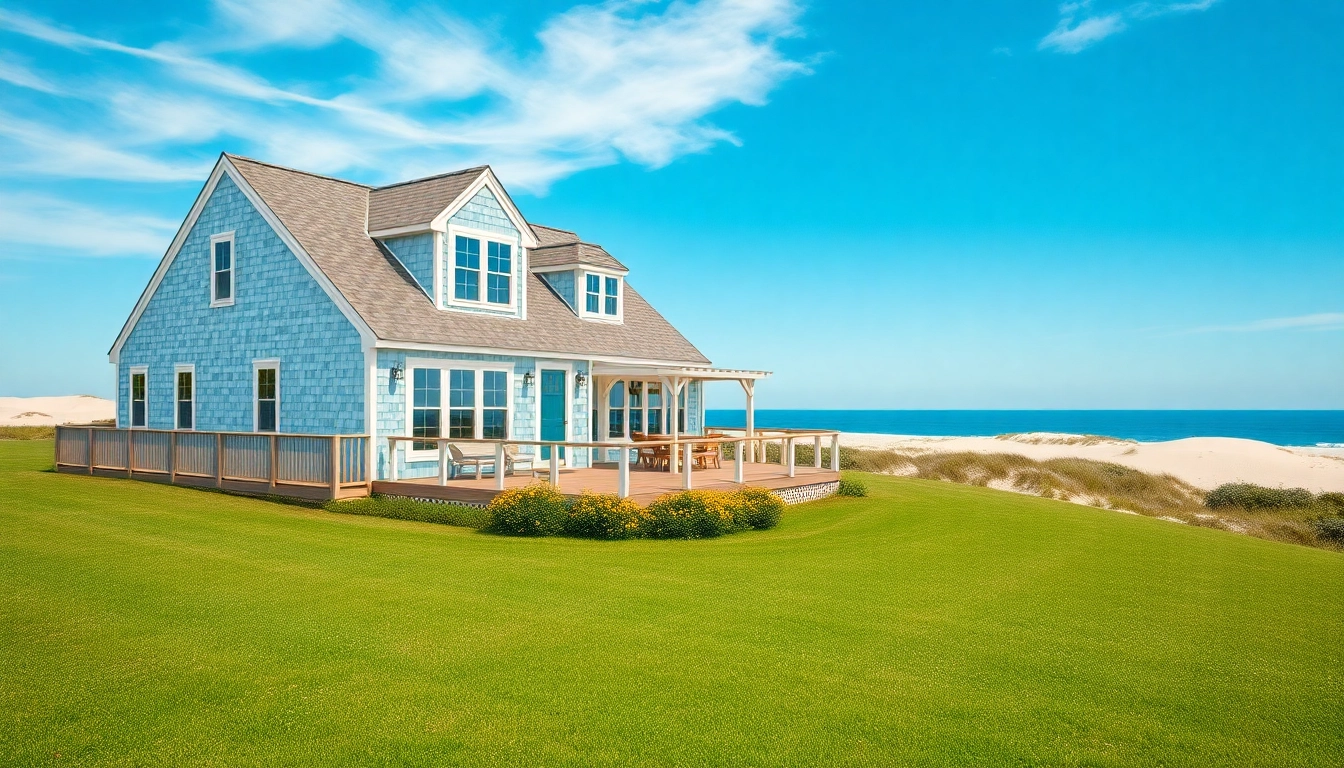
Cape Cod homes were initially built by early settlers who needed sturdy, functional dwellings that could withstand the region’s harsh winter conditions. Inspired by English cottages, these homes were designed to utilize local materials, such as wood from the abundant forests. The iconic steep roofs, dormer windows, and symmetrical designs were practical solutions to both the climatic challenges and the architectural styles of that era.
1.2 Key Features of Cape Cod Architecture
Prominent characteristics of Cape Cod architecture include:
- Steeply Pitched Roofs: Designed to prevent snow accumulation.
- Wooden Shingle Exteriors: Often painted in muted colors, these exteriors provide an organic feel.
- Symmetrical Facades: Featuring evenly spaced windows and front doors, adding to the aesthetic appeal.
- Dormer Windows: Added for both light and ventilation, they enhance the livable space in the attic.
- Charming Fireplaces: Traditionally, these homes were equipped with functional fireplaces, forming the heart of the home.
1.3 Benefits of Owning a Cape Cod Home
Investing in a Cape Cod home offers numerous benefits:
- Timeless Design: Its classic design can blend seamlessly into various landscapes.
- Energy Efficiency: With a compact layout and good insulation, these homes are often energy-efficient.
- Low Maintenance: The simple designs and durable materials require less upkeep.
- Investment Value: The demand for Cape Cod homes tends to remain stable, making them a wise investment.
2. Essential Elements of Cape Cod Home Style
The aesthetic and functional attributes of Cape Cod homes extend beyond their architectural style; they encapsulate a philosophy of living in harmony with nature and community. This section delves into the crucial external and internal elements that characterize the Cape Cod home style.
2.1 Exterior Design: Colors and Materials
Utilizing materials that reflect the coastal environment is essential to Cape Cod home exteriors. A common choice is wooden shingles, often painted in soft, natural hues. The color palette typically includes:
- Soft Grays: Mimicking the sky and ocean.
- Whites: Evoking a sense of light and airiness.
- Earthy Tones: Blending with the surrounding landscape.
The use of shutters and adornments such as window boxes filled with flowers further enhances the welcoming aesthetic.
2.2 Interior Features: Layout and Décor
Inside a Cape Cod home, the layout typically emphasizes open spaces that encourage communal living. Features often include:
- Open Floor Plans: Allowing free flow between kitchen, dining, and living areas.
- Natural Light: Large windows and strategic skylights brighten interiors.
- Cozy Spaces: Nooks and crannies designed for reading or relaxation.
- Fishing and Nautical Decor: Elements that connect the interior to its coastal surroundings.
2.3 Landscaping Ideas for Cape Cod Homes
Landscaping should complement the natural beauty of the Cape Cod environment. Ideas include:
- Native Plants: Use local flora that thrives in the region’s climate.
- Dune Grass: For a natural coastal feel and to prevent erosion.
- Paths and Patios: Made from stone or wood to enhance outdoor living.
- Water Features: Such as ponds or small waterfalls to create tranquility.
3. Renovating vs. Building New Cape Cod Homes
When considering the acquisition of a Cape Cod home, future owners often face the dilemma: Should I renovate an existing home or build anew? Each option has its benefits and considerations.
3.1 Factors to Consider for Renovations
Home renovations can preserve the historical essence of a Cape Cod home while modernizing amenities. Considerations include:
- Historical Integrity: Preserving original features often adds value.
- Budget: Renovations may be more cost-effective than building a new home.
- Structural Condition: Assess the integrity of the existing structure before deciding.
3.2 Steps Involved in New Constructions
New constructions provide the freedom to design a home tailored to modern needs. Steps include:
- Choosing a Location: The site should complement the natural surroundings.
- Design Planning: Engaging with architects to maintain Cape Cod aesthetics.
- Building Regulations: Adhering to local zoning and architectural guidelines.
- Construction Process: Overseeing each phase for quality assurance.
3.3 Cost Comparison: Renovation vs New Build
The cost can vary significantly between renovating an existing home and constructing a new one. Generally, renovations might be cheaper, especially if structural elements are sound. However, building new allows for customization and may reduce long-term maintenance costs. Consulting with a financial advisor can provide clarity on which option may yield better financial returns.
4. Popular Trends in Cape Cod Home Expansions
Expanding a Cape Cod home can enhance functionality while respecting its architectural heritage. Understanding the popular trends is vital in making informed choices.
4.1 Integrating Modern Amenities
Today’s Cape Cod homes are increasingly integrating modern conveniences like smart home technology, open-concept layouts, and energy-efficient features while retaining their classic charm. Popular updates include:
- Smart Thermostats: For managing energy effectively.
- Open Kitchens: Facilitating entertaining and family gatherings.
- High-efficiency Windows: Improving insulation and reducing energy costs.
4.2 Sustainable Practices in Home Expansion
Homeowners are increasingly turning to sustainable building practices that minimize environmental impact. Solutions include:
- Recycled Materials: Using reclaimed wood and sustainable products.
- Solar Panels: For renewable energy generation.
- Rainwater Harvesting: For gardening and irrigation.
4.3 Case Studies of Successful Transformations
Several Cape Cod home expansions have successfully merged modern design with traditional elements. For instance, a prominent case involved transforming a single-story into a two-story by adding dormers and open spaces, thus increasing both living areas and property value. These transformations enhance the lifestyle while preserving the historical significance of the home.
5. Frequently Asked Questions about Cape Cod Homes
5.1 What are typical features of a cape cod home?
Typical features include steeply pitched roofs, symmetrical facades, dormer windows, and wooden shingle exteriors, all designed for climate resilience and aesthetic appeal.
5.2 How can I maintain a cape cod home’s exterior?
Regularly inspect shingles, repaint every few years, clear gutters, and maintain the landscaping to preserve aesthetic and structural integrity.
5.3 What type of landscaping is ideal for cape cod homes?
Landscaping with native plants, dune grasses, and natural stone pathways complements the coastal aesthetic and is low maintenance.
5.4 What are the popular color palettes for cape cod homes?
Soft grays, whites, and earthy tones are preferred, reflecting the coastal environment and enhancing the home’s natural beauty.
5.5 Can I modernize a cape cod home without losing its charm?
Yes, by integrating modern amenities thoughtfully while preserving original architectural details, you can enhance functionality while maintaining historical charm.