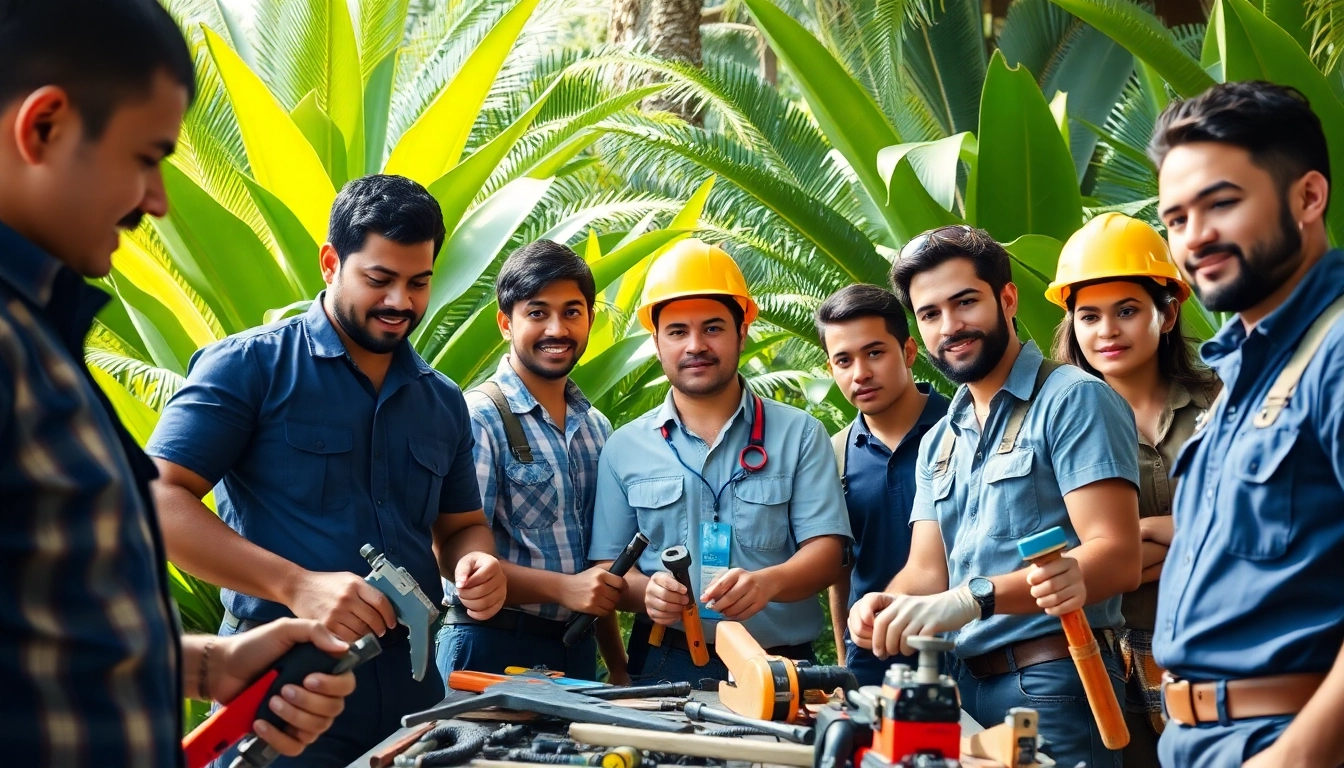
The Importance of Trade Schools in Hawaii
Trade schools serve as a vital link between education and employment, particularly in a state like Hawaii, where the cost of living is high, and job sectors are evolving rapidly. For those seeking practical, hands-on training that leads directly to job opportunities, trade schools in Hawaii present an attractive option. They equip graduates with essential skills that are in high demand in various industries, ultimately enhancing their career prospects.
Understanding the Value of Vocational Education
Vocational education emphasizes practical skills over theoretical knowledge, focusing on real-world applications relevant to specific careers. In Hawaii, this approach is particularly beneficial given the unique local economy, which prioritizes specific trades such as hospitality, healthcare, and construction. Trade schools offer tailored programs that meet these local industry needs, thus acting as a bridge to employment for many students.
Benefits of Hands-On Training
One of the most significant advantages of attending a trade school is the emphasis on hands-on training. Students have the opportunity to engage in practical exercises, simulations, and real-world projects that mirror the tasks they will perform in their careers. This experiential learning model not only boosts confidence but also enhances retention of knowledge and skill acquisition, preparing graduates to enter the workforce ready to excel.
In-Demand Skills in Hawaii's Job Market
The job market in Hawaii is dynamic, with sectors such as tourism, agriculture, and healthcare continually seeking skilled professionals. Programs in plumbing, electrical work, culinary arts, and health sciences have become particularly popular as they equip students with skills that employers are actively seeking. As these industries grow, so does the opportunity for graduates to secure stable, well-paying jobs.
Types of Trade Programs Available
Hawaii offers a variety of trade programs tailored to meet the diverse interests of its residents. From technical courses to creative arts, the options cater to a wide array of career paths.
Popular Fields of Study
Among the most common fields of study in Hawaii's trade schools are:
- Healthcare: Programs in nursing, medical assisting, and health technology prepare students for critical roles in the booming healthcare sector.
- Construction: Training for electricians, plumbers, and carpenters addresses the urgent need for skilled labor in Hawaii's expanding residential and commercial building sectors.
- Culinary Arts: Given Hawaii's rich food culture, culinary programs offer practical skills for aspiring chefs and restaurant managers.
- Information Technology: As technology continues to evolve, IT training helps students gain skills in software development, cybersecurity, and data management.
Comparing Trade Schools in Hawaii
With various schools to choose from, prospective students should consider several factors when comparing trade schools. These include program offerings, location, class sizes, and student support services. Online reviews and testimonials can also provide insight into the quality of education and job placement success rates.
Certification and Degree Options
Trade schools in Hawaii offer flexible options ranging from certificate programs to associate degrees. Certifications often lead to quicker entry into the job market, while degrees may provide deeper knowledge and qualifications for career advancement. Understanding the path that best aligns with personal career goals is crucial for prospective students.
Choosing the Right Trade School
Selecting the right trade school is an essential step in ensuring a fruitful educational experience and career path. Various factors should be taken into account to make an informed choice.
Factors to Consider When Selecting
Prospective students should assess their interests and career goals, and consider the following factors when choosing a trade school:
- Program Reputation: Research the school's success rates, including graduation and job placement rates.
- Facilities and Equipment: Evaluate the school's resources, such as labs, classrooms, and hands-on training tools.
- Instructor Qualifications: Knowledgeable and experienced instructors can significantly enhance the learning experience.
Accreditation and Credentials
Accreditation ensures that the trade school meets specific standards of education quality. Choosing an accredited institution is vital for ensuring that qualifications will be recognized by employers. Prospective students should verify that the school is accredited by a recognized body.
Cost and Financial Aid Options
Understanding the cost of tuition and available financial aid options is crucial. Many trade schools offer financial aid packages, scholarships, or payment plans. It's advisable for students to consult the school's financial aid office to explore all funding opportunities, thus minimizing student debt.
Success Stories from Trade Schools in Hawaii
The success of trade school graduates is a testament to the quality of education provided. Alumni often share their journeys as they successfully transition into their chosen professions.
Alumni Testimonials
Hearing from former students can lend authenticity to a school's reputation. Many alumni highlight how their skills obtained at trade schools equipped them to find fulfilling careers and adapt to the job market demands. Success stories often showcase the transformation from students to skilled professionals contributing to Hawaii's economy.
Career Outcomes and Opportunities
The connection between trade schools and career opportunities is significant. Graduates frequently secure employment in high-demand fields, experiencing job security and competitive salaries. Trade skills are transferable, allowing individuals the chance to explore different sectors or start their own businesses.
Networking and Job Placement Assistance
Trade schools often provide networking opportunities and job placement assistance, connecting students with local employers. These resources can ease the transition from education to the workforce, offering internships and job fairs that promote professional relationships.
Frequently Asked Questions About Trade Schools in Hawaii
Do trade schools in Hawaii offer financial aid?
Yes, many trade schools offer financial aid options, including scholarships, grants, and loans to help students manage tuition costs.
How long do trade programs typically last?
Most trade programs last from a few months to two years, depending on the field of study and existing qualifications required.
What kinds of certifications can I earn?
Students can earn various certifications depending on the program, including state licenses, industry certifications, and associate degrees.
Are there trade schools focused on specific industries?
Yes, many trade schools specialize in industries like healthcare, construction, and IT, tailored to meet specific job market needs.
What are the admission requirements for trade schools?
Admission requirements vary by school but often include a high school diploma or GED, entrance exams, and an application process.