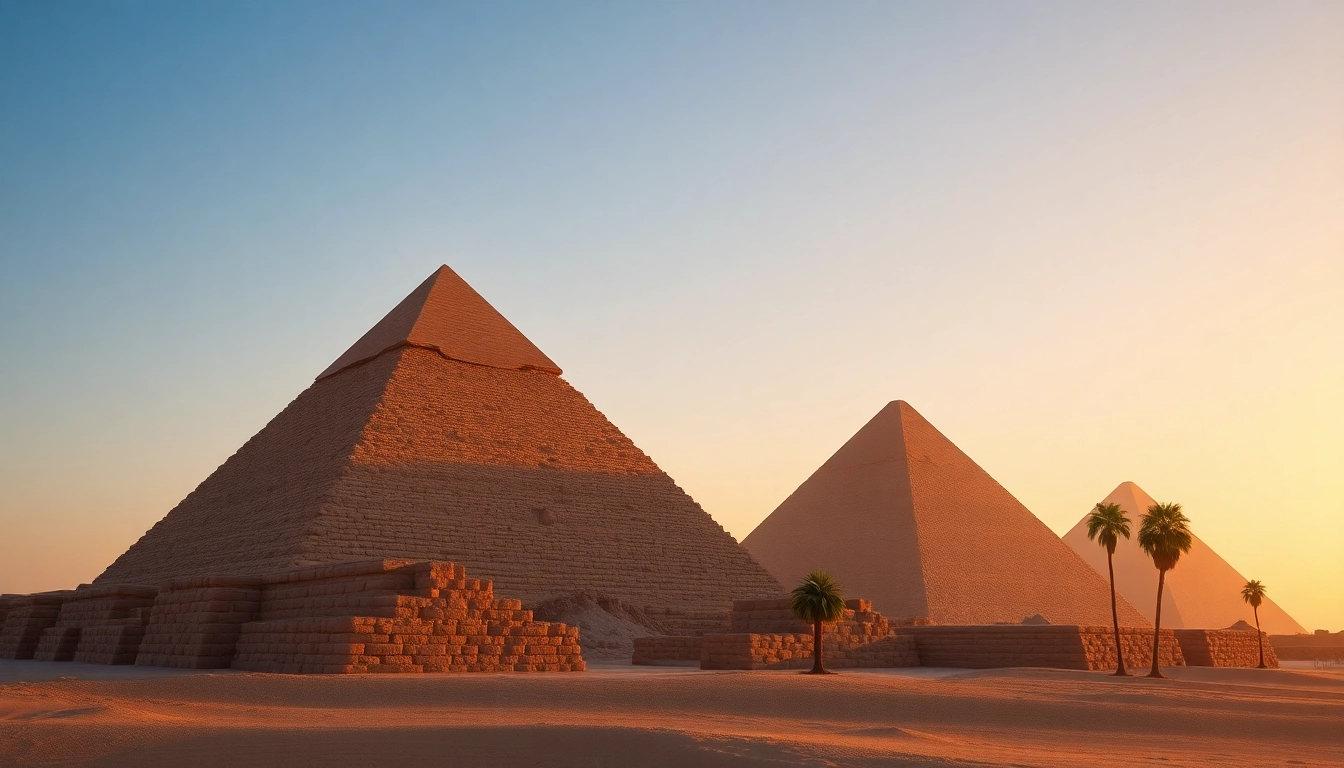
The Historical Significance of the Pyramids
The pyramids, particularly those located in Egypt, stand as monumental achievements of ancient civilization. They are not merely impressive structures; they encapsulate the cultural, religious, and political evolution of ancient Egypt. Their construction reflects the ingenuity and sophistication of the Egyptian civilization, offering key insights into the society that created them. For a deeper understanding of these achievements, additional resources can be found at https://piraminds.com/.
Ancient Egyptian Civilization
During the Old Kingdom period of Egypt, which lasted from around 2686 to 2181 BCE, a unique civilization flourished along the banks of the Nile River. The ancient Egyptians developed advanced agricultural practices, and their society was marked by a theocratic political system, where the pharaoh was deemed a divine entity. The Great Pyramid of Giza, the most iconic of all pyramids, was constructed as a tomb for Pharaoh Khufu and is a testament to the power of the of the time.
The civilization is also known for its advancements in writing, art, architecture, and vast organizational skills which enabled the mobilization of labor on a massive scale. Pyramid construction was a collective effort involving skilled workers, architects, and support personnel, indicating a well-structured society.
Notable Pyramids in History
The Giza pyramid complex, which includes three major pyramids—the Great Pyramid of Khufu, the Pyramid of Khafre, and the Pyramid of Menkaure—demonstrates the evolving architectural designs of the ancient Egyptians. The complex reflects not only their funerary practices but also their understanding of astronomy and geometry. Each pyramid is aligned with celestial bodies, further emphasizing the Egyptians' intricate relationship with the cosmos.
Beyond the Giza plateau, significant pyramids such as the Step Pyramid of Djoser at Saqqara and the Bent Pyramid of Sneferu showcase different evolutionary phases of pyramid construction. These structures highlight experimentation with geometry and construction techniques, establishing precedents that would influence future architectural endeavors.
Symbolism of the Pyramids
The pyramids of Egypt are rich in symbolism, representing not just the continuity of life after death but also the pharaoh's divine connection to the gods. The pyramid shape itself is thought to represent the rays of the sun, thus linking the pharaoh with the sun god Ra. This movement towards the heavens served as a means for the pharaoh to ascend to the afterlife, a concept central to ancient Egyptian beliefs.
As burial sites, they housed elaborate funerary artifacts and served as keys to the afterlife, showcasing the Egyptians' belief in resurrection and immortality. Therefore, pyramids can be seen as both tombs and gateways to eternity, symbolizing the blending of the earthly and the divine.
Construction Techniques of the Pyramids
Tools and Materials Used
Egyptian pyramids were primarily constructed using limestone, granite, and mudbrick, each chosen for its availability and purpose. The contributions of workers utilizing rudimentary tools such as copper chisels, wooden sledges, and levers are documented through archaeological findings.
Workers quarried stones from nearby sites, and they may have employed techniques involving ramps or counterweights to transport these heavy materials. The precise cutting of stones and the organization of assembly demonstrate a knowledge of geometry and physics that is impressive for its time.
Labor Force and Workforce Organization
Contrary to popular belief, the labor force engaged in pyramid construction was not made up of slaves; rather, it consisted of a seasonal workforce comprised mostly of villagers and skilled laborers. These workers lived in nearby temporary settlements and were likely organized into rotating shifts, with an understanding of labor rights and provisions for food, water, and shelter.
The great pyramids required a workforce of thousands, with estimates at times exceeding 20,000. This collaboration provided the Egyptians with social cohesion and allowed them to undertake tasks that were bound to their cultural values and religious beliefs.
Challenges Faced During Construction
The monumental scale of pyramid construction posed numerous challenges, not least of which included logistical coordination, resource allocation, and coping with the harsh conditions of the Egyptian environment. The transportation of heavy stone blocks, especially over rough terrain and during flooding periods of the Nile, was a significant hurdle that required innovation and efficient planning.
Weather conditions could also be detrimental, as sandstorms and extreme heat impacted the daily lives of the laborers, making proper planning essential. Moreover, the architectural precision needed for pyramid alignment with celestial bodies required extensive up-to-date knowledge and adjustments based on ongoing observations.
Inside the Pyramids: Architectural Features
Chambers and Passageways
The internal structure of pyramids is as fascinating as their exterior. Designed with complex networks of chambers and passageways, these structures served both to house the deceased and to deter grave robbers. The Great Pyramid alone consists of three main chambers, including the King's Chamber, which houses a granite sarcophagus and is aligned precisely towards the cardinal points.
Ascending and descending passages were carefully constructed, leading to secret rooms and often false doors intended to confuse would-be intruders. These architectural innovations reflect a combination of artistry, architecture, and engineering.
Burial Practices
Burial practices in ancient Egypt were highly elaborate. The pyramids served as part of a larger funerary complex that included temples for rituals and offerings. The burial rites were essential in facilitating the pharaoh's journey to the afterlife, ensuring they could be reborn among the gods.
Mummification was integral to these customs, with meticulous procedures followed to preserve the body for eternity. Items buried with the pharaoh, including jewelry, tools, and food, were believed to be needed in the afterlife, emphasizing the Egyptians' view of death as a transition rather than an end.
Art and Hieroglyphics
Art within the pyramids is another powerful testament to the Egyptians’ reverence for the afterlife. Walls within the burial chambers often feature intricate hieroglyphics, depicting scenes of daily life, the afterlife, and the gods. These illustrations served dual purposes: artistic expression and a guide for the deceased, facilitating their journey through the afterlife.
Hieroglyphics, with their rich symbolism and complexity, hold keys to understanding Egyptian culture, beliefs, and history. The use of color and symbolism in these artworks illustrates a profound commitment to religious practices and the significance of the afterlife.
The Role of Pyramids in Ancient Egyptian Religion
Pyramids as Tombs for Pharaohs
Pyramids functioned primarily as tombs for pharaohs and high-ranking officials, expressing the Egyptians’ beliefs in a complex afterlife. The elevation of the pyramids symbolically represented the ascension of the soul. Constructed to align with the stars, they served as monumental gateways for the deceased to join the company of the gods.
This powerful fusion of religious beliefs and architectural mastery highlights the pyramids' importance within the broader context of ancient Egyptian spirituality.
Myths and Legends Surrounding the Pyramids
Throughout history, many myths and legends have developed around the pyramids. Folklore frequently attributes their construction to extraterrestrial beings due to their awe-inspiring complexity. However, these stories, while intriguing, often overshadow the brilliant ingenuity of the ancient Egyptians.
Furthermore, tales surrounding the curses of pharaohs and hidden treasures have fueled imaginations and inspired explorations for centuries. Yet, despite these myths, archaeological evidence showcases the dedication, skill, and artistry of an ancient civilization.
Connection with the Afterlife
The most critical role of the pyramids lies in their connection to the afterlife, central to ancient Egyptian religion. They were not merely tombs but spiritual vessels assisting the deceased in their journeys to eternity. Ancient Egyptians viewed life after death as a continuation that required preparation, ensuring that the dead enjoyed a harmonious and everlasting existence with the gods.
Rituals, offerings, and texts, such as the Pyramid Texts, guide the souls in the afterlife, indicating that the very existence of pyramids was a manifestation of deep-seated religious beliefs.
Current Research and Discoveries
Technological Advances in Archaeology
The study of pyramids has greatly benefited from modern technological advancements. Techniques such as ground-penetrating radar and 3D scanning allow archaeologists to explore structures without intrusive excavation. These technologies can reveal hidden chambers and artifacts, providing insights that were previously unattainable.
Cutting-edge imaging technologies have also enabled researchers to document inscriptions and art in high detail, ensuring preservation for future generations. This shift towards non-intrusive methods has revolutionized the extent of understanding ancient Egyptian culture.
Recent Findings at Giza
Recent discoveries at the Giza plateau continue to amaze researchers and historians alike. For instance, a discovery of a previously unknown void within the Great Pyramid offers unprecedented insight into its structural features and construction methods. Such findings prompt re-evaluations of historical narratives, revealing unsuspected complexities.
Additionally, ongoing excavations surrounding the pyramids have uncovered artifacts that further inform our understanding of burial practices, daily life, and the workforce that contributed to these colossal projects.
Myths Debunked Through Science
Many long-held myths relating to the pyramids have been challenged and debunked through scientific inquiry. For example, the idea that slaves built the pyramids has been thoroughly discredited. Archaeological evidence now indicates that skilled laborers, well-cared for and organized, were responsible for their construction.
Moreover, studies have dispelled numerous theories about the means of construction, revealing a blend of social organization, knowledge of materials, and intelligent design rather than a reliance on alien technology or supernatural powers.
FAQs
1. How were the pyramids built?
The pyramids were built using massive stone blocks transported from nearby quarries with levers and sledges. Laborers, not slaves, worked in organized teams to carry out the construction.
2. What was the purpose of the pyramids?
Pyramids primarily served as tombs for the pharaohs, providing a burial place that assured their journey to the afterlife in accordance with ancient Egyptian beliefs.
3. Why are pyramids shaped like triangles?
The triangular shape represents a ladder to the heavens, symbolizing the phoenix's ascent and the connection between the earth and the divine.
4. What discoveries have been made in the pyramids?
Recent discoveries include hidden chambers, burial artifacts, and insights into construction techniques, enhancing our understanding of ancient Egyptian society.
5. Do the pyramids contain hieroglyphics?
Yes, many pyramids feature hieroglyphics on their walls, depicting religious texts, rituals, and scenes intended to aid the deceased in the afterlife.