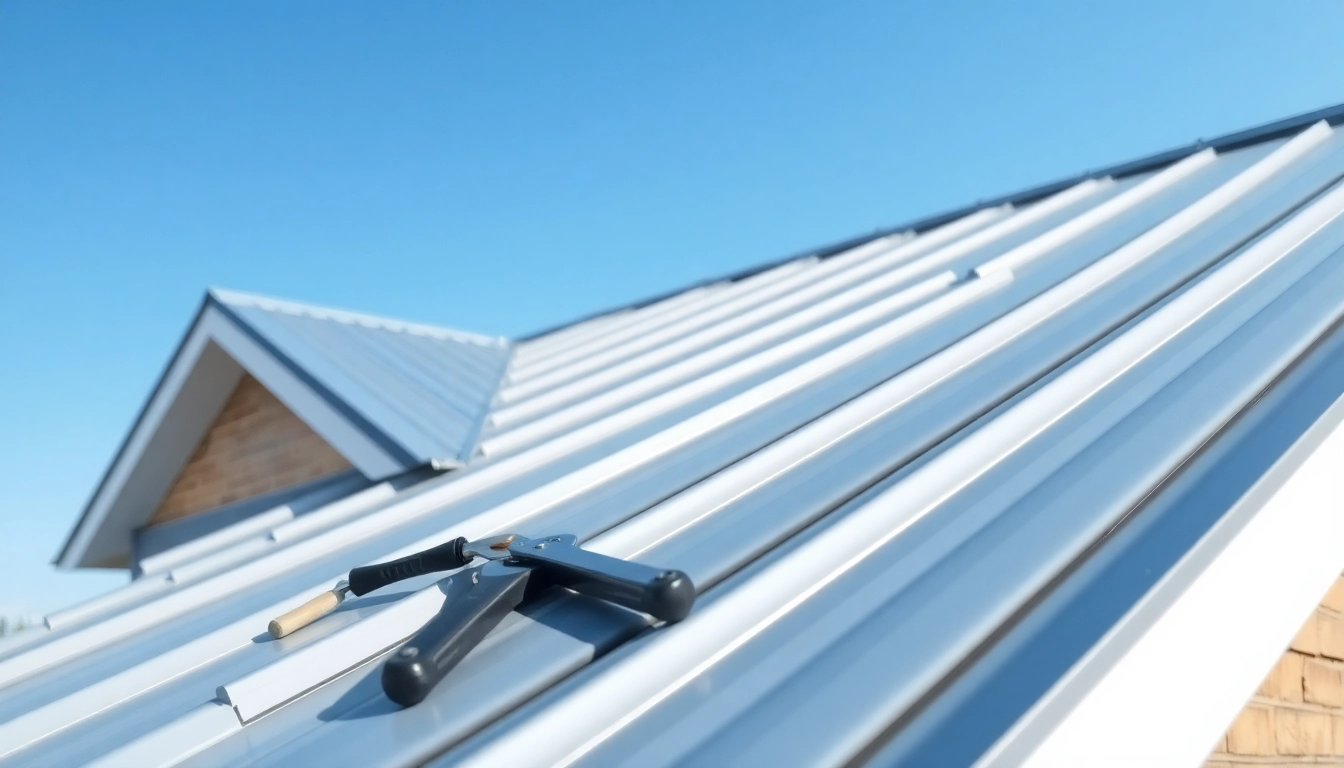
Introduction to Metal Roofing
As more homeowners consider energy efficiency, longevity, and aesthetic appeal in their roofing choices, metal roofing has gained considerable popularity. This roofing option not only offers durability but also comes with a host of advantages that set it apart from traditional shingles. In this comprehensive guide, we will dissect what metal roofing is, its various types, benefits, installation processes, maintenance, and answer common questions surrounding it.
What is Metal Roofing?
Metal roofing consists of panels or tiles made from various metals, such as steel, aluminum, copper, and zinc. These materials are processed and designed to create a durable, waterproof covering for residential, commercial, and industrial buildings. Unlike traditional roofs, which may involve more vulnerable materials like asphalt shingles, metal roofs provide a stronger barrier against the elements, often featuring interlocking seams for added protection.
Benefits of Metal Roofing
Metal roofing is appreciated for numerous benefits, including:
- Durability: Metal roofs can withstand harsh weather conditions, including heavy winds, rain, hail, and snow.
- Longevity: A properly installed metal roof can last between 40 to 70 years.
- Energy Efficiency: Metal surfaces reflect solar heat, potentially reducing cooling costs.
- Low Maintenance: They require less upkeep than traditional roofing materials, as they resist rot, pests, and fire.
- Environmental Benefits: Many metal roofs are made from recycled materials and are fully recyclable at the end of their life cycle.
Common Misconceptions
Despite the numerous advantages, many misconceptions surround metal roofing:
- Noise: People often think metal roofs are noisier than shingles. However, with proper insulation, noise levels can be minimized.
- Rust and Corrosion: While some metals can rust, modern coatings are highly effective at preventing corrosion.
- Cost: Although the upfront cost may be higher, metal roofs can save homeowners money in the long run due to their durability and energy efficiency.
Types of Metal Roofing
The metal roofing market offers various materials, each with unique characteristics. Understanding these helps homeowners make informed decisions.
Steel Metal Roofing
Steel is among the most commonly used materials for metal roofing due to its strength and affordability. It comes in various gauges, with thicker options providing enhanced strength. Steel roofs are often galvanized or coated to resist corrosion, increasing their lifespan even further.
Aluminum Metal Roofing
Aluminum roofing is lightweight yet incredibly durable, making it ideal for coastal areas prone to saltwater exposure. Its natural corrosion resistance makes it a reliable option, while its reflective properties can improve energy efficiency.
Copper and Zinc Metal Roofing
Copper and zinc are premium materials used in roofing, appreciated for their unique aesthetics and longevity. Copper develops a beautiful patina over time, while zinc is self-healing against scratches and dents. These materials are often used in architectural applications for their visual appeal.
Installation Process of Metal Roofing
The installation of metal roofing requires careful planning and execution. Below is a valuable overview of the process.
Preparing Your Home for Metal Roofing
Before installation begins, it’s essential to prepare your home adequately. This includes removing old roofing materials, checking for structural integrity, and ensuring proper insulation and ventilation are in place to promote energy efficiency.
Step-By-Step Installation Guide
- Start by measuring the roof area to determine the amount of materials required.
- Install an underlayment for added moisture protection.
- Secure the metal roofing panels starting from the eave and moving towards the peak, ensuring proper overlap for water shedding.
- Attach panels securely using screws rated for metal roofing.
- Finish with ridge caps and ensure all edges are sealed with appropriate flashing to prevent leaks.
Important Safety Precautions
Metal roofing installation can be dangerous if proper safety measures are not taken. Always wear slip-resistant footwear, use harnesses when working on a slope, and set up a safe working area. Ensure that tools are in good working condition, and if unsure, consider hiring professionals.
Cost and Maintenance of Metal Roofing
Understanding the financial aspects of metal roofing can help homeowners budget effectively.
Understanding the Costs of Metal Roofing
The cost of metal roofing varies based on material, thickness, and installation complexity. Generally, it can range from $4 to $30 per square foot. While the initial investment is more than traditional shingles, the longevity and reduced maintenance costs can outweigh the initial expenditure.
Financing Options Available
For homeowners concerned about upfront costs, various financing options are available. Many companies offer flexible payment plans, and some local governments provide incentives for energy-efficient materials, including metal roofing. Explore local grants, loans, or programs aimed at supporting energy efficiency to help alleviate financial pressure.
Maintenance Tips for Longevity
While metal roofs require less maintenance, periodic checks can maximize their lifespan:
- Inspect the roof and gutters twice a year.
- Remove debris such as leaves and branches to prevent moisture build-up.
- Look for rust spots and treat them immediately to prevent further damage.
- Check seams and flashing for leaks, especially after storms.
FAQs About Metal Roofing
Is metal roofing energy-efficient?
Yes, metal roofing can reflect solar heat, which can help reduce cooling costs in hot climates.
How long does metal roofing last?
Metal roofing typically lasts 40-70 years, depending on the material and maintenance.
Will metal roofing rust?
Most metal roofing is treated to resist rust, especially steel covered with protective coatings.
Can metal roofing be installed over existing shingles?
Yes, metal roofing can often be installed over existing shingles, providing a cost-effective solution.
What colors are available for metal roofing?
Metal roofing comes in a variety of colors, including bright and neutral shades to complement your home.