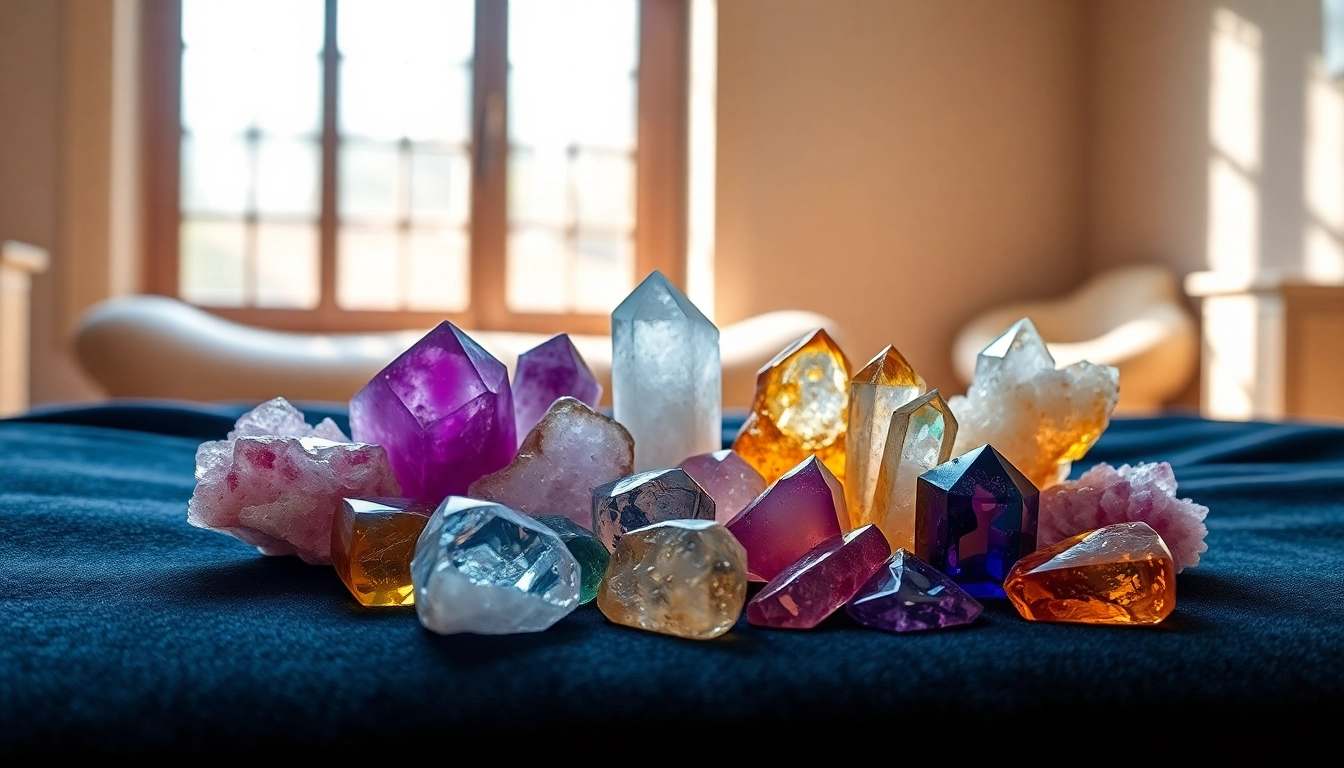
Introduction to Types of Crystals
What Are Crystals?
Crystals are solid materials whose constituents, such as atoms or molecules, are arranged in an orderly repeating pattern extending in all three spatial dimensions. This unique structure not only gives crystals their characteristic physical properties, such as clarity, hardness, and the ability to refract light but also enables them to resonate with energy in ways that many believe can contribute to healing and balance. Understanding the diversity of crystals is crucial for those interested in exploring their aesthetic beauty, geological significance, and potential energetic properties. If you're curious about the fascinating world of types of crystals, this article will guide you through their intricate nature and varied applications.
Historical Significance and Usage
The history of crystals dates back thousands of years. Ancient civilizations revered these beautiful formations for their aesthetic qualities and believed they possessed mystical powers. The Egyptians, for example, utilized crystals for protection and healing, crafting jewelry adorned with lapis lazuli and turquoise. Similarly, the Chinese have incorporated jade into their culture as a symbol of purity and moral integrity. Cultures across the globe have utilized crystals not just as decorative elements but also as talismans, tools for meditation, and instruments for healing. By exploring these historical uses, we gain insight into how crystals have shaped human beliefs and practices.
Overview of Crystal Properties
Crystals exhibit a variety of unique properties that influence their applications and significance. Some of the key properties include:
- Transparency and Color: Crystals can range from fully transparent to opaque, exhibiting a spectrum of colors depending on their chemical composition and impurities.
- Hardness: The Mohs scale of hardness measures a crystal's resistance to scratching, with diamonds topping the chart as the hardest mineral known.
- Cleavage and Fracture: The manner in which crystals break can also reveal much about their internal structure, with some exhibiting evenness and others presenting irregular breaks.
- Piezoelectricity: Certain crystals can generate an electric charge in response to mechanical stress, a property utilized in technology such as quartz watches.
Collectively, these properties contribute not only to the beauty of crystals but also to their functional uses in jewelry, technology, and holistic practices.
Common Types of Crystals
Popular Gemstones and Their Benefits
Various types of crystals, commonly known as gemstones, are well-loved for their beauty as well as their purported metaphysical properties. Some of the most popular types include:
- Amethyst: Believed to promote calmness and clarity, amethyst is often associated with spiritual growth and protection against negative energies.
- Rose Quartz: Famed for its associations with love and emotional healing, rose quartz encourages a sense of peace and compassion.
- Citrine: This vibrant yellow crystal is thought to promote prosperity and abundance, often referred to as the "merchant's stone."
- Clear Quartz: Known as the "master healer," clear quartz is believed to amplify energy and thought, enhancing the properties of other crystals.
These gemstones are not only prized in the world of jewelry but are viewed as beneficial tools in the healing arts.
Unique Features of Each Type of Crystal
Each type of crystal has distinctive features that set it apart from others. For instance, while both amethyst and citrine are forms of quartz, their color and energetic connotations are vastly different. The unique features of crystals can include their molecular structure, the specific wavelengths of light they reflect, and the contexts in which they form. Understanding these characteristics helps individuals choose appropriate crystals for personal intentions, whether for energy work, decoration, or both. For example, turquoise is celebrated for its beautiful blue-green hues and protective qualities, making it a favored choice for adornment, especially in indigenous cultures.
Healing Properties and Uses
Crystals are often utilized in various healing practices due to their believed energetic properties. Different types of crystals correspond to specific healing intentions:
- Grounding Crystals: Crystals like hematite and black tourmaline are sought after for their grounding energies, helping individuals feel more stable and connected to the earth.
- Manifestation Crystals: Crystals such as citrine and pyrite are often used for setting intentions and manifesting desires, with many practitioners recommending them for business endeavors.
- Promoting Emotional Healing: Crystals like chrysocolla and lepidolite can assist in emotional healing, aiding in the release of old wounds and the acceptance of self-love.
- Enhancing Intuition: Crystals such as labradorite and moonstone are thought to enhance intuition and psychic abilities, often used during meditation and spiritual practices.
Understanding these uses can empower individuals to select crystals resonant with their personal journeys.
Choosing the Right Type of Crystal
Factors to Consider When Selecting Crystals
Selecting the right crystal is crucial for harnessing its full potential. Consider the following factors:
- Intent: Identify the specific intention you have in mind, whether it's for healing, protection, or manifestation. Each crystal has unique properties aligned with certain energies.
- Personal Resonance: Trust your intuition when choosing. Often, you may feel drawn to a specific crystal simply because its energy resonates with you.
- Environment: Consider the environments in which the crystal will be utilized. For instance, cleansing and charging your crystals regularly is essential, especially if they will be used in healing or energy work.
Approaching your selection with mindfulness ensures that the process becomes a meaningful experience.
Matching Crystals to Personal Energies
Understanding how to match crystals to personal energies can enhance their effectiveness. One approach is considering your astrological sign. For example, Leos may resonate strongly with gems such as peridot and garnet, while Pisces may prefer aquamarine and amethyst. Additionally, it can be beneficial to consider your emotional state, life experiences, and spiritual path. Self-assessment through journaling or meditation can provide clarity on which types of crystals might best serve you at a given moment.
Effective Ways to Use Crystals
Cultivating different practices with crystals can maximize their potential impacts on your life. Some effective methods include:
- Crystal Grids: Arranging multiple crystals in specific geometric patterns can magnify their energies and set intentions.
- Jewelry: Wearing crystals as jewelry allows for continuous energy interaction throughout the day.
- Writing and Journaling: Pairing crystals with reflective writing can enhance your personal growth journey.
- Meditation: Incorporate crystals into your meditation practice by holding them or placing them nearby to amplify focus and intention.
Experimenting with these methods can lead to personal discoveries about how crystals serve you best.
Care and Maintenance for Types of Crystals
Cleaning and Energizing Your Crystals
Proper cleaning and energizing of crystals are essential for maintaining their vibrational integrity. Various techniques are used to cleanse crystals:
- Water Cleansing: Submerging or rinsing certain crystals in natural water can clean them, while others, like selenite, should be kept away from water.
- Smudging: Burning sage or palo santo and passing the crystal through the smoke can dispel negative energy.
- Sound Cleansing: Utilizing singing bowls or chimes can harmonize crystals, restoring their energetic frequencies.
- Charging in the Moonlight: Placing crystals under the full moon allows them to absorb lunar energies, replenishing their vibrancy.
Regular cleansing helps maintain the effectiveness of your crystals in both practical and metaphysical applications.
Storage Tips for Lasting Quality
Storing crystals properly is crucial for preserving their quality:
- Avoid Excessive Moisture: Store crystals in a dry area away from humid conditions that could promote mold or damage.
- Individual Storage: If possible, keep stones separate to avoid scratches and chips. Utilize soft pouches or containers lined with fabric.
- Minimal Direct Sunlight: Some crystals may fade when exposed to continuous direct sunlight, so find shaded or indoor areas for long-term storage.
By following these guidelines, you can ensure that your crystals not only remain beautiful but also retain their energetic properties for years to come.
Common Mistakes to Avoid with Crystals
Whether new or seasoned, crystal enthusiasts can run into pitfalls. Some common mistakes to watch out for include:
- Neglecting Cleansing: Failing to cleanse crystals regularly can lead to accumulated negative energies that may counteract their intended benefits.
- Overinvesting in Crystals: Acquiring too many types of crystals without intention can lead to overwhelm. Focus on a few that resonate deeply with you.
- Using Misinformed Information: Always verify sources and claims regarding crystal uses, properties, and interactions, as misinformation can lead to ineffective practices.
By educating yourself and being mindful of these common mistakes, you can enhance your experience with crystals and ensure their proper use.
Advanced Uses of Types of Crystals
Crystals in Meditation and Mindfulness
The use of crystals can deepen meditation practices, providing grounding energy or enhancing focus:
- Holding Crystals: Holding a crystal during meditation creates a physical connection, helping to anchor your awareness.
- Breath Integration: Pairing crystal work with breathwork can illuminate energetic patterns and release tension.
- Creating Sacred Space: Utilizing a crystal grid around your meditation area can elevate the energy and intentions of the space.
In such practices, it's essential to be present and sensitive to the energies of the crystals, adapting your practice as needed.
Utilizing Crystals in Daily Life
Incorporating crystals into your daily routine can provide subtle yet profound shifts in energy:
- Work Environment: Place crystals on your desk to promote focus and creativity. For example, citrine can encourage positive energy in workspaces.
- Home Decor: Adorning spaces with crystals not only enhances aesthetics but also uplifts the home's energy. Amethyst clusters in living rooms are particularly popular for promoting calm.
- Ritual Practices: Establishing daily rituals around crystals fosters a deeper connection to their energies. This can be as simple as setting your intention for the day while holding a specific crystal.
Utilizing crystals in these subtle ways often cultivates lasting positive shifts in your everyday experiences.
Integrating Crystals into Spiritual Practices
Crystals can enrich spiritual practices by offering layers of meaning and deeper connections:
- Affirmation Support: Pair specific crystals with affirmations that resonate with their properties, enhancing the affirmation's intention.
- Ritual Offerings: Use crystals as physical offerings in spiritual rituals, entrusting them with energy during ceremonies or significant life transitions.
- Enhancing Intuition: Crystals like labradorite and amethyst can assist in connecting to one’s higher self, enhancing intuition during spiritual exploration.
Integrating crystals into your spiritual practices opens pathways for deeper understanding and connection, supporting your inner journey.