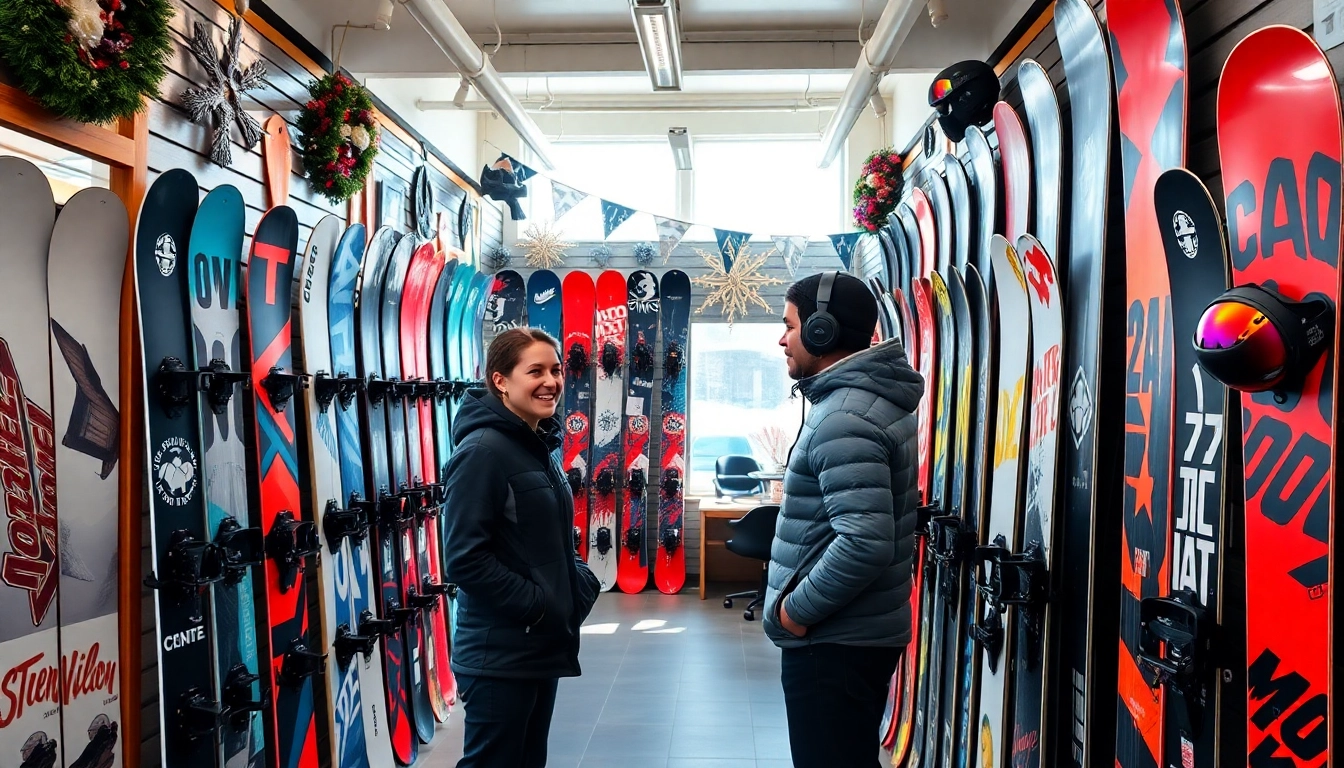
Understanding Your Needs at a Snowboard Store
When it comes to snowboarding, shopping at a snowboard store can be both exciting and overwhelming. With a plethora of choices available, it's essential to first identify your personal needs and preferences. This understanding can make your shopping experience more fulfilling and help you choose the right gear that enhances your performance on the slopes.
Identifying Skill Levels and Riding Styles
One of the first steps in preparing for your next snowboarding adventure is determining your skill level and riding style. Skill levels typically range from beginner (just starting) to advanced (confident on most terrains). Understanding your level will influence your choices in equipment, as different boards, bindings, and boots cater to various skill sets. Similarly, your riding style—whether freestyle, all-mountain, or powder—will also dictate the kind of gear that will work best for you. Freestyle riders might prefer lighter, shorter boards for tricks, while all-mountain riders will look for versatility.
Essential Gear Checklist for Beginners
If you're new to snowboarding, here’s a checklist of essential gear to consider when visiting a snowboard store:
- Snowboard: Begin with an entry-level board that matches your height and weight.
- Bindings: Choose bindings that fit well with your board and boots, offering comfort and security.
- Boots: Opt for padded, warm boots that fit snugly, providing support without being too tight.
- Helmet: Safety first! A well-fitted helmet is essential for protecting your head.
- Outerwear: Waterproof and insulated jackets and pants to keep heat in and moisture out.
- Layered Clothing: Base and mid-layers should wick moisture and provide warmth.
How to Choose the Right Snowboard Size
Selecting the correct snowboard size is crucial for optimal performance and control. Generally, the right board length can be determined by standing the board upright next to you: it should reach somewhere between your chin and nose. If you are heavier and taller, you might opt for a longer board for stability, while lighter and shorter individuals might benefit from a shorter board for maneuverability.
Key Features of Snowboards to Consider
Understanding the technical specifications of snowboards is essential in making an informed purchase decision. Factors like board type, flex, width, and shape all affect your riding experience.
Types of Snowboards Explained
There are primarily three types of snowboards:
- All-Mountain: Versatile and suitable for various conditions, these boards are ideal for beginners.
- Freestyle: These shorter, lighter boards are designed for tricks and park features.
- Freeride: Built for powder and backcountry, these boards are longer and stiffer.
Understanding Bindings: Flexibility and Control
Bindings are crucial as they connect your boots to the board. Each binding type offers different flex levels—soft for comfort and flexibility, whereas stiffer bindings provide more support and responsiveness. Choosing the right binding can dramatically influence your ride, control, and comfort.
Importance of Snowboard Width and Shape
The width of the snowboard is vital for avoiding toe drag, especially for larger or wider feet. Board shapes also play a significant role in performance; traditional camber shapes provide stability, while rocker profiles allow for better floatation in powder.
The Role of Snowboard Accessories
Accessories are significant when rounding out your overall snowboarding experience. Quality accessories not only enhance comfort but also contribute to safety on the slopes.
Mittens, Helmets, and Goggles: What You Need
Wearing a helmet is non-negotiable in snowboarding—it protects against head injuries. Goggles safeguard against glare and harsh elements, while mittens or gloves keep your hands warm and functional. Investing in high-quality accessories ensures you stay comfortable while focusing on your performance.
Layering: Apparel for Optimal Comfort
Layering your clothing keeps you warm without overheating. Start with moisture-wicking base layers, followed by insulating mid-layers, and finish with waterproof outer layers to repel snow and wind. This strategy allows for increased mobility and comfort on the hill.
Safety Gear: Why It’s Essential for Every Rider
In addition to helmets, protective gear such as padded shorts and knee pads can prevent injuries. Many snowboarders also use wrist guards, especially beginners who are prone to falls. Investing in safety gear protects you and enhances your overall activity enjoyment.
Shopping Tips for Your Local Snowboard Store
Buying a snowboard should be a thoughtful experience rather than an impulsive one. With the right approach, you can get the most out of your shopping visit.
What to Look for in a Store’s Selection
When visiting a snowboard store, look at the variety and quality of products available. Reputable stores will have diverse boards, boots, and accessories from various brands. Staff expertise is another critical factor—knowledgeable staff can provide invaluable advice and recommendations tailored to your individual needs.
Timing Your Purchase: Seasonal Deals and Discounts
The best time to shop is at the end of the season when stores are clearing out inventory. However, holiday seasons often feature great discounts as well. Planning your purchases around these times can save you a considerable amount of money.
Building a Relationship with Your Local Shop
Frequenting the same snowboard store not only grants you access to insider knowledge and best deals but builds a rapport with the staff. They may inform you about upcoming sales, offer to match prices, or provide personalized recommendations based on your previous purchases.
FAQs About Snowboard Gear
What should I look for when buying a snowboard?
Choose based on your riding style, skill level, and board length for better control and performance.
How often should I replace my snowboard?
Typically, it should be replaced every 5-8 years or sooner if signs of damage affect performance.
Are used snowboards a good option?
If maintained well, used snowboards can be budget-friendly, but always inspect for damages and condition.
Do I need special boots for snowboarding?
Yes, snowboard boots are uniquely designed to fit bindings securely, providing essential ankle support.
Is it worth investing in quality gear?
Absolutely! Quality gear improves performance, safety, and comfort, enhancing your overall snowboarding experience.