Understanding Structural Steel Fabrication
Structural steel fabrication serves as a critical backbone to modern construction and engineering. Encompassing various processes that prepare and alter steel to fit precise specifications, this service is essential for creating robust buildings, bridges, and infrastructure that withstand the test of time. As industries continually evolve, understanding the intricacies of structural steel fabrication becomes paramount for all stakeholders involved in construction projects, from architects and engineers to contractors and builders.
Definition and Importance of Structural Steel Fabrication
Structural steel fabrication refers to the cutting, bending, and assembling of steel components to form structures that are integral to various buildings and infrastructure. Unlike raw steel, which is a commodity, fabricated steel is customized to meet specific requirements of a project. This differentiation is essential not just for structural integrity but also for ensuring that the end product fulfills both aesthetic and functional criteria.
The importance of structural steel fabrication lies in its ability to facilitate construction that is both durable and efficient. By transforming steel into tailor-made components, contractors can ensure higher building integrity, enhanced safety, and compliance with regulatory standards. Moreover, the precision involved in fabricating steel allows for quick assembly on-site, optimizing construction timelines.
Common Uses in Construction and Engineering
Structural steel fabrication finds extensive application across various domains of construction and engineering, including:
- Commercial Buildings: High-rise office towers, shopping malls, and hotels often rely on structural steel for their skeletal frameworks due to the material's strength-to-weight ratio.
- Industrial Facilities: Factories, warehouses, and distribution centers benefit from the durability and scalability offered by structural steel.
- Bridges and Overpasses: Given their need for stability and resilience, bridges frequently use steel fabrication techniques for both support and aesthetic elements.
- Residential Structures: More homeowners are beginning to utilize structural steel for beams, columns, and framing, enhancing both functionality and design flexibility.
- Infrastructure Projects: Roads, tunnels, and railways often integrate steel fabrication to ensure longevity and resilience to the elements.
Key Components of Structural Steel Fabrication
Several components constitute the core aspects of structural steel fabrication, including:
- Steel Beams: Often used as load-bearing elements, they support roof floors and walls.
- Columns: Vertical elements ensure stability and strength, channeling loads vertically from the roof down to the foundation.
- Trusses: Frameworks that distribute loads across larger spans, commonly employed in roof systems.
- Plates: Flat components precisely cut and shaped for connecting or reinforcing other elements.
- Brackets and Connectors: These are smaller components that facilitate the assembly of larger structures.
Processes Involved in Structural Steel Fabrication
Cutting and Shaping Techniques
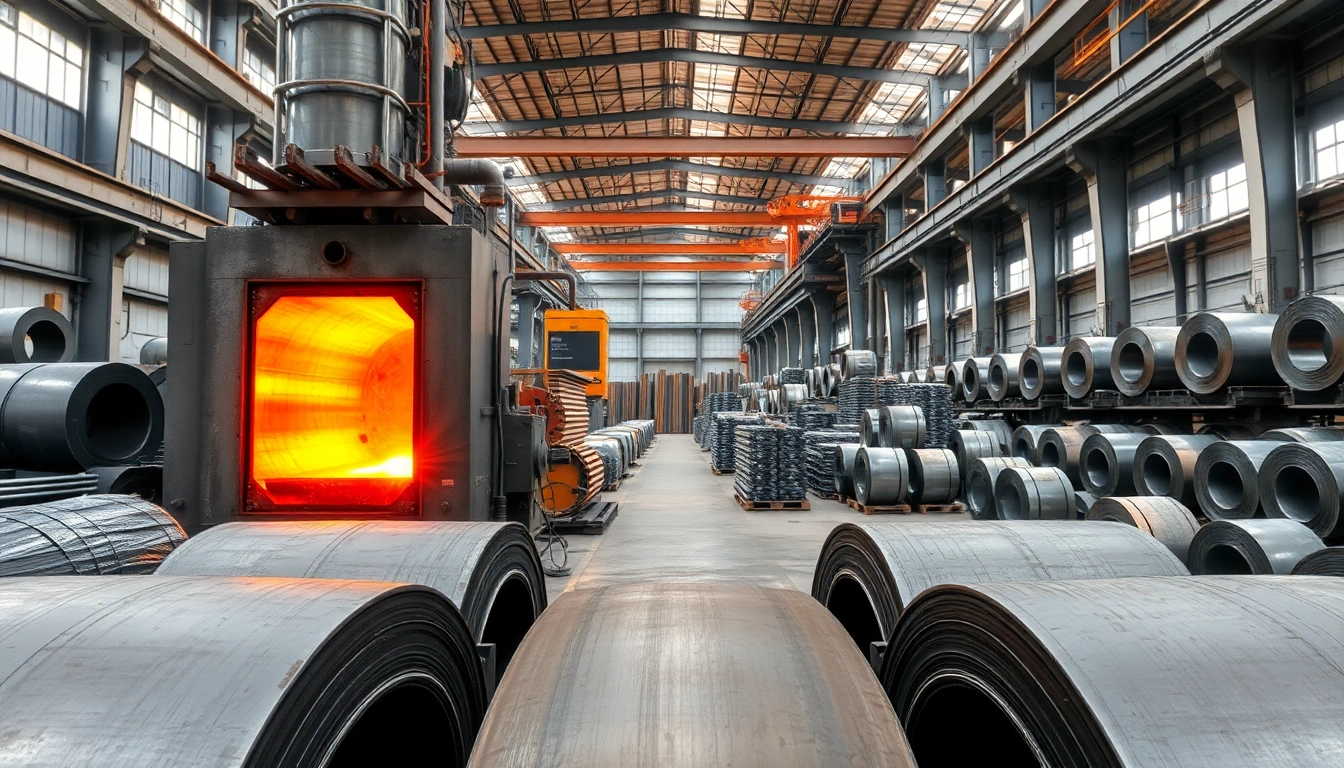
The first step in structural steel fabrication involves cutting materials down to size and shaping them to meet design specifications. Methods used for this process include:
- Industrial Saws: Bandsaws and hacksaws are commonly utilized for their precision in cutting steel beams and plates.
- Plasma Cutting: This technique uses ionized gas to melt steel and is particularly effective for detailed shapes.
- Laser Cutting: A highly accurate method that uses focused light, enabling complex shapes and fine edges.
- Waterjet Cutting: Using high-pressure water streams, this technique can cut through various materials without generating heat distortion.
Welding and Joining Methods
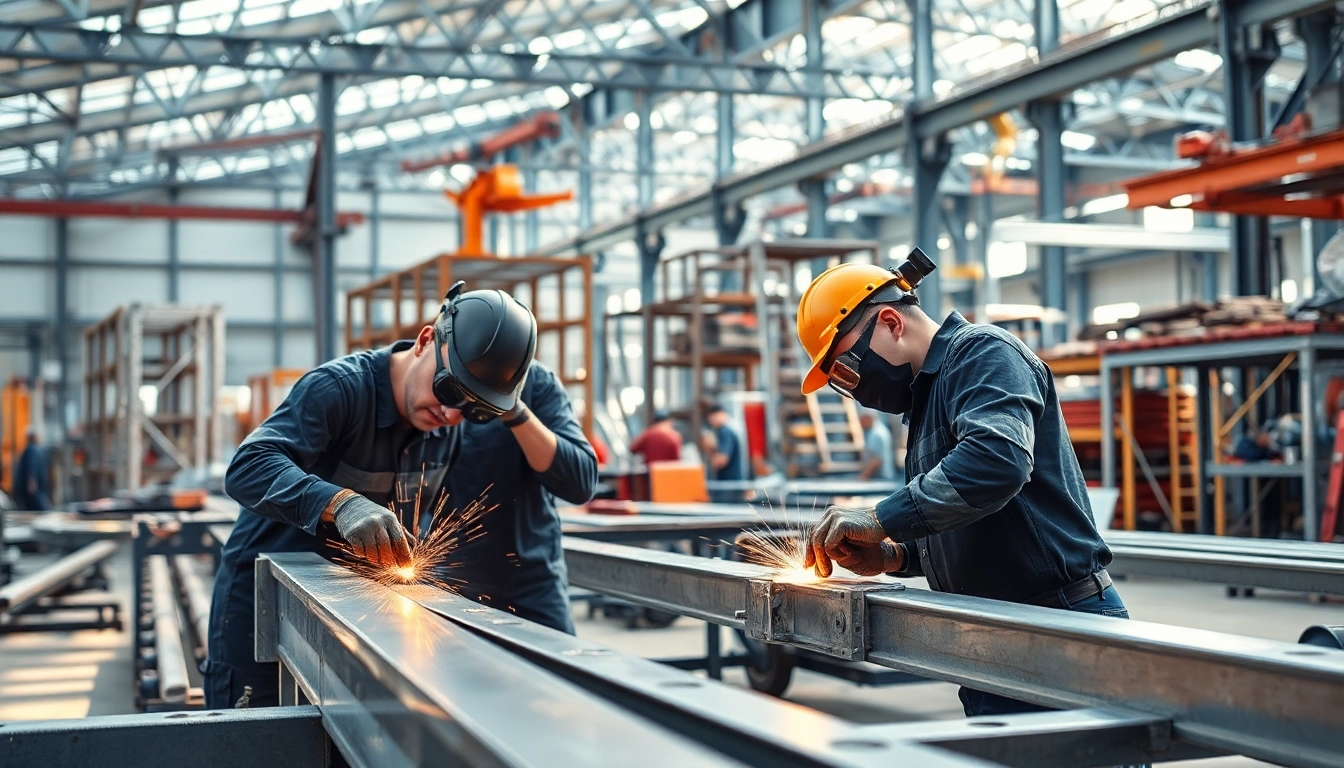
After the cutting and shaping process, the next stage in structural steel fabrication involves joining different components together. This is crucial for ensuring that the structure remains sound and secure. Common welding and joining methods include:
- Arc Welding: This process uses an electric arc to melt and join steel components, providing strong connections.
- MIG and TIG Welding: Metal Inert Gas (MIG) and Tungsten Inert Gas (TIG) welding are popular methods, chosen based on the specific requirements of the project.
- Bolting: For some structures, especially where disassembly may be needed later, bolting offers a reliable alternative.
- Riveting: Though less common in modern practices, riveting can be employed in historical restorations.
Finishing and Surface Treatment Processes
The finishing touch in the fabrication process is critical, as it enhances both the performance and appearance of the material. Surface treatment processes include:
- Galvanization: Coating steel with zinc protects it from corrosion, extending its lifespan, especially in outdoor applications.
- Painting: Beyond aesthetic considerations, painting also serves as a barrier against environmental damage.
- Coating with Epoxy: A robust form of protective coating that increases durability and resistance to chemicals.
- Shot Blasting: This provides a clean surface for better adhesion of coatings by removing impurities and oxidation.
Benefits of Professional Structural Steel Fabrication
Cost-Effectiveness and Efficiency
One of the primary benefits of professional structural steel fabrication is its cost-effectiveness. By relying on advanced cutting techniques and machinery, fabricators can produce components with minimal waste. Efficient fabrication processes mean shorter assembly times on-site, which translates directly into savings on labor and project timelines.
Quality Assurance and Precision
Structural steel fabrication involves stringent quality control measures at each stage, ensuring that every component meets specified standards. Highly skilled technicians use precise measurements and advanced technology to achieve accurate cuts and joints, which is vital for the integrity of the final structure.
Customization and Flexibility Options
Another advantage of structural steel fabrication is the ability to customize designs to meet unique project specifications. Whether unusual shapes or specific load requirements are necessary, fabrication allows for flexibility without compromising the structural integrity or performance of the final product.
Challenges in Structural Steel Fabrication
Material Selection and Sourcing Issues
Choosing the appropriate steel for a specific application can prove challenging. The availability of different grades and types can vary significantly, and careful consideration must be given to ensure the selected material can withstand environmental factors and load requirements inherent to the project.
Labor and Skill Requirements
The fabrication process necessitates skilled labor, which can be a limiting factor. A shortage of qualified professionals can hinder fabrication timelines and affect overall quality. Continuous training and development programs are essential to fostering skilled labor in the industry.
Regulatory Compliance and Safety Standards
Compliance with local building codes and safety regulations is non-negotiable in structural steel fabrication. Adhering to these standards involves detailed documentation and inspections throughout the fabrication process, which can complicate logistics and increase costs. It is essential to have a thorough understanding of these regulations to prevent legal complications.
Future Trends in Structural Steel Fabrication
Technological Advancements in Fabrication
The future of structural steel fabrication is poised for improvements driven by technological advancements. Innovations such as 3D printing and augmented reality are beginning to emerge, offering new solutions for designing and fabricating complex components. These tools enable faster prototyping and design iterations, potentially revolutionizing how structures are conceived.
Sustainability in Steel Fabrication Practices
As sustainability becomes increasingly significant in construction, structural steel fabrication is adapting by implementing greener practices. Utilizing recycled materials and implementing energy-efficient fabrication processes are gaining traction within the industry, reducing the overall carbon footprint of construction projects.
The Role of Automation and Digitalization
Automation is pushing the boundaries of efficiency and accuracy in structural steel fabrication. Digital tools like Building Information Modeling (BIM) allow for improved coordination and collaboration among project stakeholders, leading to enhanced decision-making and optimization of resource use. As automation technologies enhance production processes, the industry can anticipate shorter lead times and reduced costs.