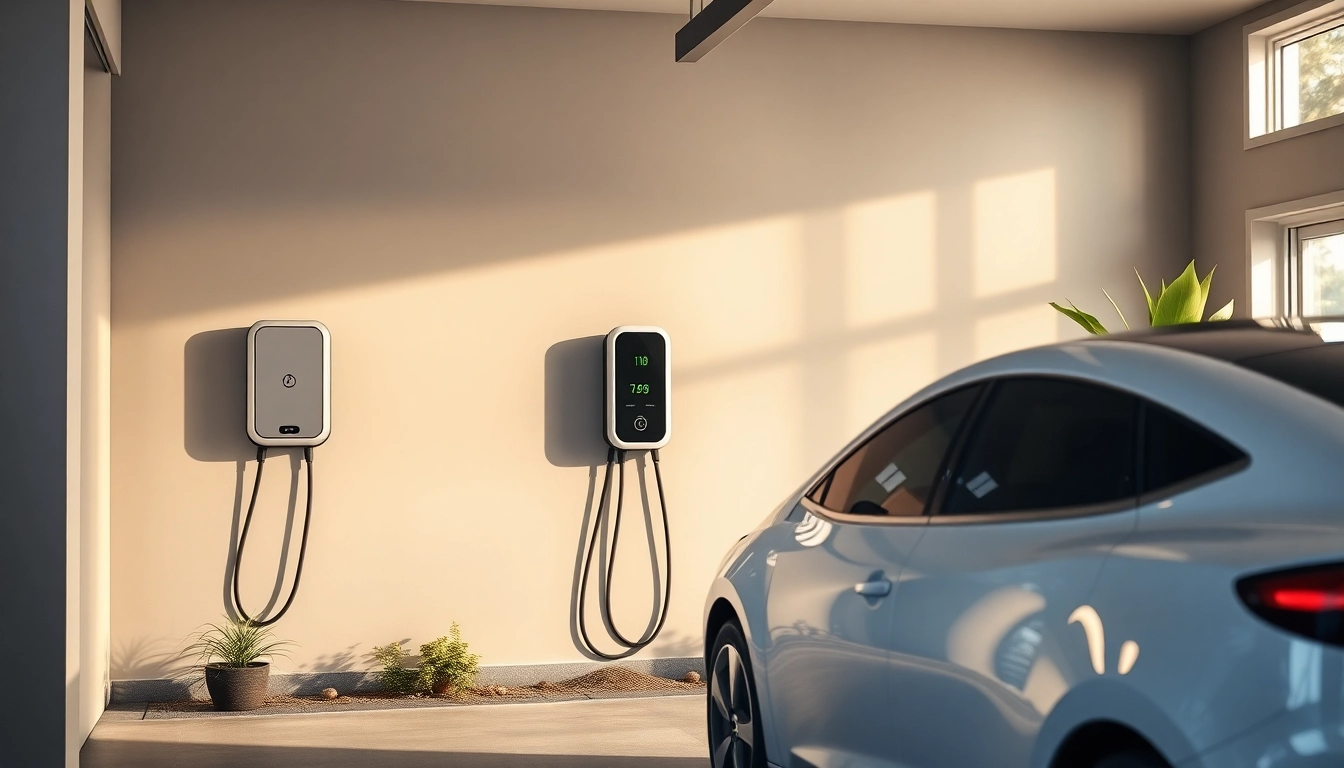
Understanding Home EV Charger Installation Costs
As electric vehicles (EVs) continue to gain popularity, many homeowners are considering the installation of a home EV charger to facilitate convenient charging. However, understanding the costs involved in this installation can be a daunting task. In this article, we will explore the key factors that influence installation costs, regional variations within Melbourne, and common pricing structures to give you a comprehensive overview.
1. Factors Influencing Installation Costs
Several factors impact the overall cost of installing a home EV charger. Understanding these elements can help you make informed decisions:
- Charger Type: The type of charger you choose—whether it's a Level 1 or Level 2 charger—can significantly affect the installation cost. Level 2 chargers are generally more expensive but offer faster charging capabilities.
- Installation Complexity: Factors such as the distance from your electrical panel to the charger location, accessibility of the area, and whether your home needs electrical upgrades can influence labor and material costs.
- Building Type: The type of building impacts installation — single-family homes may incur different costs compared to townhouses or apartments, particularly regarding electrical access and supply.
- Electrical System Condition: Older homes may require updates to the electrical system to comply with current safety standards, adding to the installation cost.
- Permits and Compliance: Depending on local regulations, you may need to obtain permits for installation, which can incur additional fees.
2. Regional Cost Variations in Melbourne
Installation costs for home EV chargers can vary widely across different suburbs in Melbourne. Areas with higher labor costs, such as the central business district, may see increased installation prices compared to more suburban areas. Additionally, local demand for EV chargers can also affect pricing. For example:
- Inner Melbourne: Higher demand for EV chargers and limited space for installation may lead to higher costs.
- Outer Suburbs: Costs may be lower due to more available space and generally lower labor rates, but availability of qualified electricians may be limited.
3. Common Pricing Structures Explained
When you consider installing a home EV charger, you'll encounter various pricing structures. Here are the most common:
- Flat Fee: Some contractors offer a flat fee for installation, which includes labor and materials. This structure provides a clear estimate but may not cover unexpected complications.
- Hourly Rate: Other electricians charge by the hour plus the cost of materials. This can be beneficial if the installation process is straightforward but may lead to higher costs if complications arise.
- Package Deals: Many companies provide package deals that include the charger, installation, and any necessary upgrades to your electrical system at a discounted rate.
The Installation Process: Step by Step
Understanding the installation process can help you prepare for your new home EV charger. Here’s a step-by-step breakdown:
1. Initial Consultation and Site Assessment
The first step is to consult with a qualified electrician who specializes in EV charger installations. During this visit, the electrician will assess your property, including the existing electrical panel and suitable locations for the charger. This is an essential step to determine the most efficient installation process and any necessary upgrades.
2. Customized Quotation Based on Charger Type
After the assessment, the electrician will provide a customized quote based on factors like the charger type, required installation work, and any additional materials needed. This quotation will help you understand the total cost upfront.
3. Scheduling and Preparation for Installation Day
Once you accept the quotation, you can schedule a convenient time for installation. Your electrician will prepare for the installation day by ensuring they have all necessary equipment and materials ready to avoid any delays.
Choosing the Right Home EV Charger
Selecting the right charger is crucial for optimal charging efficiency and convenience. Here’s what you need to consider:
1. Single-Phase vs. Three-Phase Chargers
Single-phase chargers are adequate for most household needs, providing a full charge overnight. However, if you have multiple electric vehicles or require faster charging, a three-phase charger may be more suitable, as it offers higher output, reducing charging time significantly.
2. Recommended Brands and Models for Home Use
When selecting a charger, consider reputable brands such as Tesla, Zappi, and Wallbox. Each brand offers different features, such as smart charging capabilities and compatibility with various EV models. Researching user reviews and comparing specifications can help you make an informed choice.
3. Compatibility with Solar Power Systems
For homeowners with solar power systems, it's essential to choose an EV charger compatible with solar charging. This allows you to maximize your energy efficiency by using renewable energy to power your vehicle, potentially lowering your electricity costs.
Common FAQs About Home EV Charger Installations
As you explore the installation of a home EV charger, you may have several questions. Here are answers to some of the most common inquiries:
1. What to Expect During the Installation
Installation typically takes 2-4 hours, depending on various factors such as the complexity of the installation and the condition of your switchboard. Your electrician will ensure that everything is safely installed and up to code.
2. Safety Measures and Compliance Standards
All installations must comply with local regulations and safety standards. Your electrician should provide a Certificate of Electrical Safety upon completion, ensuring that your installation is safe and reliable.
3. Warranty and Post-Installation Support
Most reputable electricians provide warranties on their workmanship and materials used. Ensuring you have post-installation support is crucial for any future maintenance or issues that may arise.
Future Trends in Home EV Charging Solutions
The world of EV charging is evolving rapidly, with new technologies and trends shaping the market. Here are some trends to watch for in 2025:
1. Innovations in Charging Technology for 2025
Emerging technologies such as ultra-fast chargers and wireless charging solutions are set to transform the home charging experience. These advancements may drastically reduce charging times and enhance user convenience.
2. The Role of Smart Home Integration
As smart home technology becomes more prevalent, the integration of EV chargers into smart home systems will be a game changer. Homeowners will be able to manage charging schedules, monitor energy consumption, and optimize charging times through mobile apps and voice-activated devices.
3. Sustainability and Eco-friendly Charging Options
With a growing emphasis on sustainability, manufacturers are focusing on eco-friendly charging solutions. This includes chargers made from recycled materials and the integration of energy storage systems to utilize renewable energy sources more efficiently.