
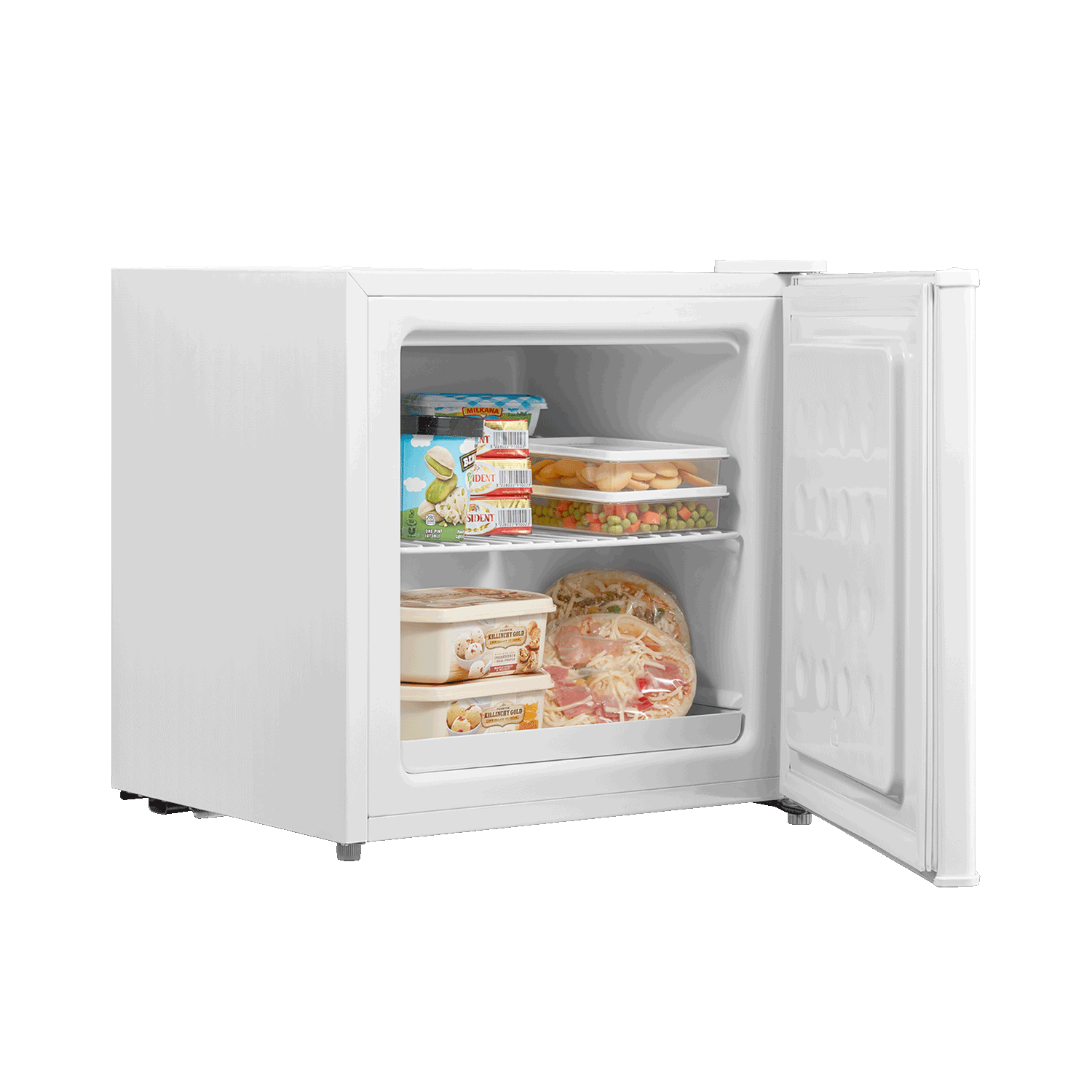
A mini freezer has become a valuable appliance in modern homes, offering convenience, space-saving design, and reliable food storage. But like any household appliance, safe use is essential. Using a Mini freezer safely not only extends the life of the appliance but also protects your home, your food, and your family from unnecessary risks.
Safety Basics for Daily Use
When operating a mini freezer, homeowners should pay attention to placement, ventilation, and electrical safety. These small appliances are powerful, and proper care ensures they function without hazards.
Proper Placement
A well-positioned mini freezer reduces accidents and improves efficiency. Keep it on a flat, stable surface to prevent vibration or tipping. Ensure it isn’t placed near heat sources like ovens or radiators, as extreme temperatures can make the appliance work harder and increase the risk of malfunction. Leave space behind the appliance so the coils can release heat effectively.
Electrical Safety
Your mini freezer should always be plugged directly into a wall outlet—not a power strip or extension cord. These appliances draw consistent power and need stable voltage. A grounded outlet reduces the risk of electrical shorts or overheating. Regularly inspect the cord for wear, and replace it if you notice fraying or damage.
Preventing Overloading and Temperature Issues
An overloaded mini freezer can affect performance and increase the risk of foodborne illness. Freezers need airflow to maintain safe temperatures, and stuffing them too tightly restricts circulation.
Avoid Blocking Vents
Keep all sides of your mini freezer clear so internal vents can do their job. When vents are blocked, the compressor is forced to run longer and harder, raising energy consumption and shortening the appliance’s lifespan. Avoid pressing items tightly against the back wall.
Monitoring Temperature
A mini freezer must maintain a temperature of 0°F (-18°C) to keep food safe. Use an appliance thermometer to check periodically. If the freezer struggles to stay cold, it may be overloaded, poorly ventilated, or due for defrosting.
Cleaning and Maintenance Tips
Regular care keeps your mini freezer efficient and safe while improving its overall performance. Simple maintenance can prevent breakdowns and reduce safety risks.
Defrosting Safely
If your mini freezer is manual-defrost, avoid using sharp tools to remove ice buildup. Instead, unplug it and let the ice melt naturally. Using knives or metal utensils can damage the interior lining or puncture the refrigerant coils, creating expensive and hazardous problems.
Cleaning the Interior
Always unplug the mini freezer before cleaning. Use warm water and mild soap to wipe down interior surfaces. Avoid harsh chemicals, which can leave harmful residues and damage the plastic components. Make sure everything is thoroughly dry before plugging it back in.
Child and Household Safety
A mini freezer can pose risks in homes with children or pets, especially if the door can be easily opened or the unit can be moved.
Preventing Tip-Overs
Lightweight models make a mini freezer easier to shift, so place it on a sturdy, level base. If necessary, use anti-tip brackets or position the appliance against a wall for support.
Securing the Door
A tightly sealed mini freezer prevents accidents and keeps curious children safe. Some models include lockable doors, which add a layer of safety. If your unit doesn’t have a lock, consider placing it in a low-access area or using a simple childproof latch.
Food Safety and Storage Practices
How you organize your mini freezer affects food safety and ensures long-term performance.
Avoid Storing Hazardous Items
Never place chemicals or non-food items inside the mini freezer. Only store food intended for freezing, and label items with dates to avoid spoilage or confusion.
Proper Containers
Use freezer-safe containers so the mini freezer maintains food quality. Thin or brittle containers can crack at freezing temperatures, causing spills or contamination. Airtight packaging helps prevent freezer burn and keeps foods tasting fresh.
When to Call a Professional
If your mini freezer leaks refrigerant, makes unusual noises, or fails to maintain temperature, contact a certified technician. Attempting repairs yourself can damage the appliance or create safety hazards. A trained expert can diagnose issues quickly and help extend the life of your mini freezer.
Conclusion
With the right habits, your mini freezer will run safely, last longer, and keep your food protected. By focusing on proper placement, regular maintenance, safe storage practices, and timely professional help, homeowners can enjoy reliable performance without unnecessary risks. Maintaining a safe and efficient setup ensures that this compact appliance continues to support your kitchen, your household routines, and your peace of mind.