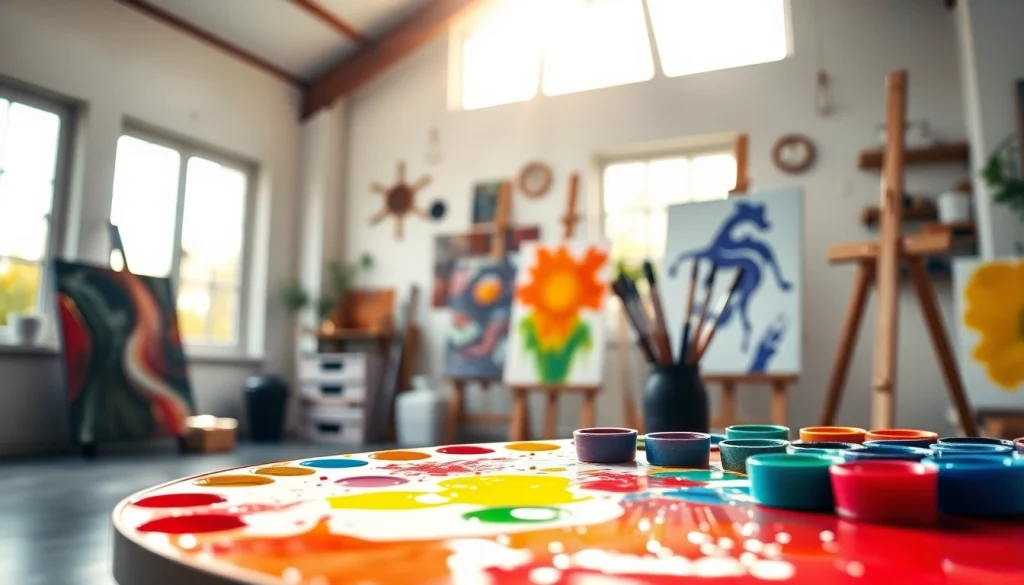
Acrylic Painting Basics
Introduction to Acrylics
Acrylic paint has established itself as a favorite medium among artists for various reasons, including versatility, quick drying times, and ease of use. Unlike oil paints, which can take days to dry, acrylics dry in a matter of minutes, allowing artists to layer their work and make adjustments without the waiting period often required in oil painting.
What makes acrylics particularly appealing is their compatibility with a variety of surfaces, including canvas, paper, wood, and even fabric. This adaptability makes acrylic paints a go-to choice for both beginners and seasoned artists alike. Learn more about acrylics, their applications, and techniques at https://acrylicpedia.com.
Essential Tools and Materials
To embark on your acrylic painting journey, you will need several essential tools and materials:
- Acrylic Paints: Available in tubes or jars, acrylic paints come in a wide range of colors and qualities. Artists can choose between student-grade and artist-grade paints, with the latter providing a more vibrant color range.
- Brushes: Synthetic brushes are recommended for use with acrylics as they hold up well against the paint’s viscosity. A variety of brush shapes and sizes will allow for different techniques; round brushes for detail work, flat brushes for broad strokes, and filbert brushes for blending.
- Palettes: A palette is essential for mixing colors. A flat surface or a palette with wells can be utilized for this purpose.
- Canvas or Paper: Acrylics can be applied to many surfaces, but a primed canvas or specialty acrylic paper will yield the best results.
- Water Cup: Since acrylic paint is water-based, you will need water for rinsing brushes and thinning paint, if necessary.
- Rags or Paper Towels: For quick cleanup and brush maintenance, having rags or paper towels on hand is essential.
Understanding Paint Consistency
The consistency of your acrylic paint can greatly impact your painting techniques. There are several ways to alter paint consistency:
- Thinning with Water: Adding water can create a more fluid paint suitable for washes and glazing effects.
- Acrylic Mediums: Various acrylic mediums are available that can modify the texture and finish of your paint, from glazes to heavy body applications.
- Impasto Techniques: For a thick application, artists often use a palette knife to apply paint directly from the tube without thinning it. This can help create texture and depth in artwork.
- Heavy Body vs. Fluid Acrylics: Heavy body acrylics hold their shape and offer thick applications, while fluid acrylics provide a more transparent and lighter consistency suitable for washes and detailed work.
Techniques for Beginners
Brush Techniques
Brush techniques are vital for achieving different effects in your painting. Here are some beginner-friendly techniques to explore:
- Stippling: This technique involves tapping the brush to create dotted textures, ideal for building depth in foliage or backgrounds.
- Scumbling: A dry brush technique that creates a rough texture by dragging a lightly loaded brush over a dried layer of paint.
- Washing: Applying a diluted paint layer over the canvas can produce a uniform background and serve as a base for layering colors.
- Glazing: Before the previous layer dries, apply a thin mix of transparent color to achieve depth and richness, perfect for creating shadows or highlights.
Color Mixing and Blending
Understanding color mixing and blending is pivotal for creating unique shades and harmonious palettes:
- Primary Colors: Knowing the primary colors (red, blue, and yellow) and how to mix them can lead to an entire spectrum of colors.
- Secondary Colors: Mixing two primary colors will yield secondary colors (green, orange, purple), expanding your palette further.
- Tertiary Colors: Combinations of primary and secondary colors result in tertiary colors, which add sophistication to your art.
- Color Relationships: Familiarity with color wheel concepts, such as complementary and analogous colors, will enhance your understanding of color dynamics.
Layering and Texture Creation
Layering is fundamental in acrylic painting, allowing you to achieve a rich tapestry of color and texture:
- Building Layers: Start with a toned background; use lighter colors first, progressively layering darker tones to add depth.
- Texture Tools: Incorporate sponges, palette knives, and other tools to create varied textures in your artwork.
- Drying Time Considerations: Be mindful of the fast drying time of acrylics; work on one area at a time to prevent paint from drying before blending.
Advanced Acrylic Techniques
Pouring and Fluid Acrylics
Fluid acrylic pouring has gained immense popularity in the art community for its ability to create mesmerizing patterns and designs:
To get started, mix your acrylic paints with a pouring medium to achieve the right consistency. Different pouring techniques such as the flip cup, dirty pour, or swiping can yield varying results. Experimenting with colors and techniques allows artists to explore new creative avenues.
Abstract Painting Methods
Abstract painting encourages self-expression and experimentation with colors, forms, and techniques:
The beauty of abstraction lies in its freedom. Artists often employ techniques such as the use of unexpected color combinations, unconventional tools (like straws or brushes), and intuitive movements to generate unique pieces. Explore textures, shapes, and compositions, letting your instincts guide your work.
Creating Depth and Dimension
Incorporating depth and dimension into your acrylic paintings can elevate your artwork significantly:
Utilize techniques like layering, shading, and highlights to create a three-dimensional effect. Gradual transitions in color can also enhance depth, especially when portraying realism. The strategic placement of light and shadow can bring your subject to life.
Common Challenges and Solutions
Dealing with Tacky Paint
One of the common frustrations when working with acrylics is encountering tacky paint, which can impede progress:
Ensure you’re using quality paints and following the correct ratios for thinning. In some cases, a thin layer of a glazing medium can help rectify tackiness by creating a barrier over the paint.
Fixing Mistakes and Reviving Dried Paint
It’s important to remember that mistakes are a part of the artistic process:
For mistakes, consider layering over them with a new color to incorporate them into your artwork. If your acrylic paint has dried on the palette, a few drops of water can often revive it, though this may be less effective with older paint.
Choosing the Right Canvas
Your choice of canvas can greatly affect the outcome of your acrylic paintings:
Opt for a canvas that is pre-stretched and primed specifically for acrylic work. The texture of the canvas will also have an impact on the final result; rougher textures can add depth while smoother surfaces allow for finer detail.
Showcasing Your Artwork
Framing and Display Tips
Once your masterpiece is complete, the next step is showcasing it effectively:
Consider framing your work under glass, especially if it’s meant for display in a humid environment. A good frame not only complements your artwork but also provides protection against dust and damage. Additionally, positioning your art at eye level and utilizing proper lighting can draw attention and enhance the overall viewing experience.
Marketing Your Acrylic Pieces
Marketing your artwork can be daunting but rewarding, letting you share your creativity with others:
Utilize social media platforms to showcase your work while engaging with potential customers. Create an online portfolio or website to present your body of work professionally, highlighting your style and techniques. Networking with art communities can enhance your visibility.
Joining Acrylic Art Communities
Being part of an art community can foster growth, provide support, and inspire creativity:
Join local or online acrylic painting groups where you can share your experiences, seek advice, and collaborate with others. Participating in workshops and local exhibitions can also amplify your learning experiences and contribute to your artistic development.