Understanding the Importance of Waterproofing Leather Boots for Winter
As winter ushers in cold temperatures and wet conditions, ensuring your leather boots are adequately waterproofed becomes crucial. Not only does waterproofing maintain the longevity and appearance of your footwear, it also plays a significant role in comfort and foot health. Whether braving snow, slush, or rain, properly waterproofed leather boots can make all the difference. In this guide, we’ll dive into the effectiveness of various waterproofing methods and provide practical steps on How to waterproof leather boots for winter.
Why Waterproof Leather Boots?
Waterproofing your leather boots helps protect them against moisture, preventing water damage, such as mold growth and deterioration. Additionally, maintaining the waterproof barrier improves comfort by keeping your feet dry and warm, which is particularly important during cold winter months.
Common Challenges Faced in Winter
Winter often presents several challenges including:
- Moisture: Snow, ice, and rain can seep into unprotected leather, leading to freezing and cracking.
- Salt Stains: De-icing solutions commonly used on roads can damage leather surfaces, leading to unsightly stains.
- Temperature Fluctuations: Sudden changes can promote moisture absorption and degradation of leather.
Impact of Weather on Leather Footwear
Weather elements can cause significant wear and tear on leather boots. Prolonged exposure to moisture can weaken the fibers, while salt can draw moisture, contributing to staining and potential damage. By waterproofing, you create a protective layer that not only resists water but also helps in maintaining the leather's integrity and appearance.
How to Waterproof Leather Boots for Winter: Essential Techniques
Using Wax and Creams Effectively
Wax and leather creams are popular methods for treating footwear, with wax providing an excellent barrier against moisture. Application involves applying a layer of product evenly across the surface. It's essential to choose products that penetrate the leather, enhancing flexibility while providing a waterproof finish. Look for enhancers containing oils like beeswax or carnauba wax, as these are particularly effective in aiding waterproofing.
Natural vs. Chemical Products
Leather treatment products can come from natural or synthetic sources. Natural options, such as beeswax and mink oil, nourish the leather while creating a waterproof effect. In contrast, synthetic sprays and creams can offer quick applications but may contain harsh chemicals that could wear down leather fibers over time. Understanding the trade-offs involved in each will help you choose the best product for your specific boot type and use case.
Step-by-Step Waterproofing Process
- Clean the Boots: Remove dirt and grime with a damp cloth and some mild soap if needed. Dry thoroughly.
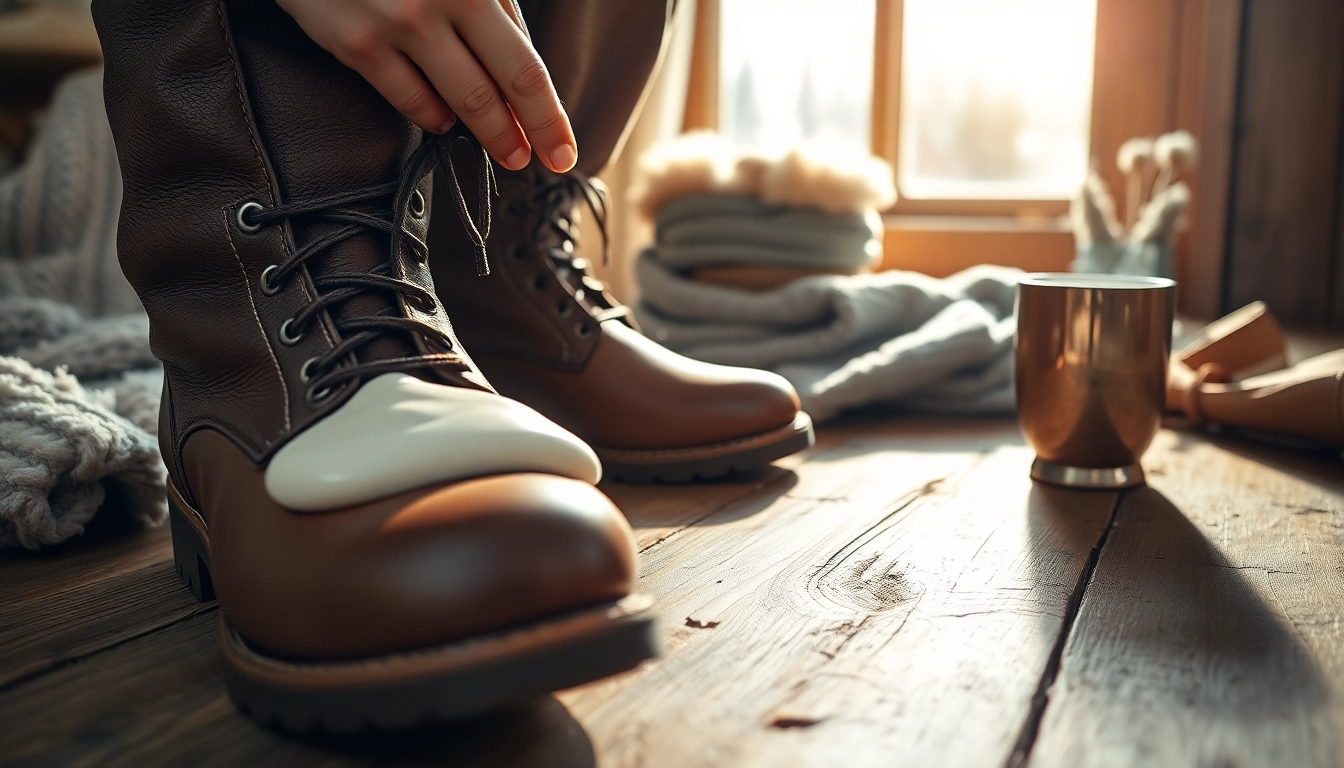
- Apply the Waterproofing Product: For wax, rub it evenly into the leather; for sprays, ensure you coat all areas lightly.
- Heat for Penetration: Lightly heat the wax or cream using a hairdryer on low, allowing it to penetrate deeper into the leather.
- Buff the Surface: Use a soft cloth to buff the surface to a shine, ensuring no excess product is visible.
- Allow to Cure: Let the boots sit for 24 hours for the product to set and bond with the leather.
Homemade Solutions for Waterproofing Leather Boots
Beeswax Application
Beeswax is an excellent natural waterproofing agent. To use, melt the beeswax slightly and apply liberally over the boot surface. Following application, buff it in with a cloth and allow it to cool, creating a solid barrier against moisture.
Using Mink Oil
Mink oil is another effective homemade solution, providing not just waterproofing, but also conditioning that helps keep leather soft. Apply mink oil with a cloth or sponge, letting it soak in before removing any excess oil. This provides lasting protection while maintaining the leather's flexibility.
Household Ingredients That Work
If you prefer using ingredients already available at home, consider using coconut oil or olive oil. Both can offer a waterproof effect, but ensure to test on a small area first to avoid any undesirable changes in color or finish. Additionally, a mixture of beeswax and olive oil can create a highly effective waterproofing paste.
Maintenance Tips for Long-Lasting Waterproofing
Regular Cleaning and Conditioning
To maintain the waterproof properties of your boots, regular cleaning is essential. Use a damp cloth for surface cleaning and apply conditioner every 2-3 months to prevent drying and cracking.
Inspecting for Damage
Regular inspections can help identify signs of wear and tear before they escalate. Look for any cracks or dry spots and treat them immediately using a suitable conditioner or waterproof product.
Reapplication Frequency
Depending on usage and exposure, it’s often necessary to reapply your waterproofing treatment every few months. Alternatively, keep a journal of your boot care routine to help remember when to perform maintenance tasks.
Frequently Asked Questions about Waterproofing Leather Boots for Winter
How often should I waterproof my leather boots?
It is recommended to waterproof leather boots every few months or after exposure to particularly wet conditions to maintain protection.
Can I use regular shoe polish for waterproofing?
Regular shoe polish is primarily for aesthetics, not waterproofing. Look for specific waterproofing products for effective results.
Are spray-on products effective for waterproofing?
Yes, spray-on waterproofing products can be effective, particularly for light to moderate conditions. They apply easily and usually don’t alter the leather's original appearance.
Will waterproofing affect my boots' appearance?
Many waterproofing treatments can enhance the look of leather. However, some waxes may impart a shiny finish, so select products based on your desired outcome.
How can I tell if my boots are waterproofed?
A simple water drop test can help. If water beads on the surface instead of soaking in, your waterproofing is effective.