
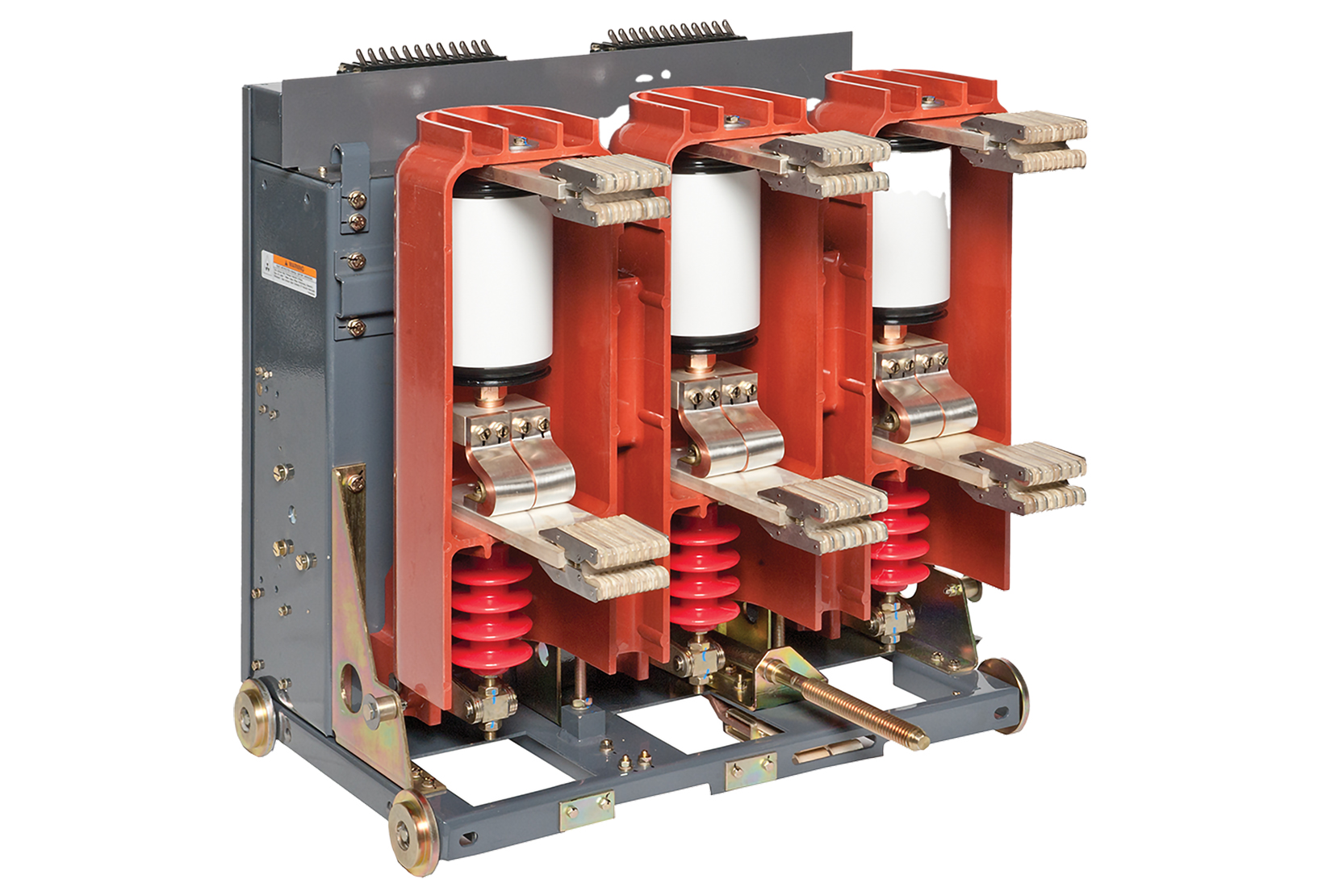
Introduction to Vacuum Circuit Breaker Troubleshooting
A Vacuum Circuit Breaker is a critical device in electrical systems that ensures reliable protection against overloads and short circuits. However, like any electrical component, a Vacuum Circuit Breaker can experience faults that affect its performance. Troubleshooting a Vacuum circuit breaker is essential to maintain system reliability, prevent equipment damage, and ensure operator safety. Common issues in a Vacuum Circuit Breaker include failure to trip, contacts sticking, mechanical faults, and control circuit malfunctions. Understanding the internal components and operation of a Vacuum Circuit Breaker helps in identifying and resolving these issues efficiently. Regular inspection and timely troubleshooting of a Vacuum Circuit Breaker prolong its service life and reduce maintenance costs. Industries and utilities rely on structured troubleshooting procedures to address Vacuum Circuit Breaker faults promptly, ensuring uninterrupted power supply and system stability. Effective troubleshooting of a Vacuum Circuit Breaker not only prevents downtime but also safeguards costly electrical equipment from damage caused by repeated faults.
Common Faults in a Vacuum Circuit Breaker
1. Failure to Trip
A Vacuum Circuit Breaker may fail to trip due to issues in the operating mechanism, control circuits, or trip coil. This fault can compromise system protection and requires immediate attention.
2. Contacts Not Operating Properly
If the contacts of a Vacuum Circuit Breaker are sticking or not closing/opening fully, it can lead to arcing, energy loss, and potential damage to the breaker and connected equipment.
3. Mechanical Failures
Mechanical components like springs, latches, and linkages may degrade or become misaligned, causing the Vacuum Circuit Breaker to operate inefficiently or fail to operate altogether.
4. Control Circuit Malfunction
Control circuit issues in a Vacuum Circuit Breaker, such as faulty relays, wiring, or auxiliary contacts, can prevent proper operation of the breaker.
5. Vacuum Interrupter Degradation
Over time, the vacuum interrupter in a Vacuum Circuit Breaker may degrade, reducing its arc-extinguishing capability and causing abnormal operation.
Step-by-Step Troubleshooting Procedure
1. Visual Inspection
Start with a visual inspection of the Vacuum Circuit Breaker. Look for signs of damage, corrosion, loose connections, or contamination. Check the operating mechanism, contacts, and vacuum interrupter for wear or visible defects.
2. Check the Control Circuit
Test the control wiring, relays, and trip/close coils. A faulty control circuit can prevent the Vacuum Circuit Breaker from operating correctly. Use a multimeter to verify voltage levels and continuity in the circuit.
3. Mechanical Operation Test
Manually operate the Vacuum Circuit Breaker to check the mechanism, spring tension, and latching system. Ensure the contacts move freely without obstruction and that the breaker can open and close as designed.
4. Contact Resistance Measurement
Measure the resistance across the contacts of the Vacuum Circuit Breaker. High resistance indicates contact wear, corrosion, or poor alignment. Proper contact resistance is critical for efficient operation and minimal energy loss.
5. Vacuum Integrity Test
For advanced troubleshooting, test the vacuum integrity of the interrupter. Any compromise in the vacuum can reduce arc-extinguishing efficiency, leading to repeated faults. Specialized equipment may be required for this step.
6. Check Auxiliary Devices
Inspect auxiliary contacts, trip indicators, and other secondary devices associated with the Vacuum Circuit Breaker. Faulty auxiliary components can affect breaker signaling, monitoring, and automation.
7. Replace or Repair Components
Based on the findings, repair or replace faulty components of the Vacuum Circuit Breaker. This may include contacts, springs, coils, or the vacuum interrupter itself. Ensure all replacements meet manufacturer specifications.
8. Functional Testing
After repairs, perform a full functional test of the Vacuum Circuit Breaker under controlled conditions. Verify correct operation, trip settings, and mechanical performance before returning it to service.
Preventive Measures to Avoid Vacuum Circuit Breaker Faults
1. Regular Maintenance
Schedule routine inspections and maintenance of the Vacuum Circuit Breaker to identify potential issues before they cause failure.
2. Cleaning and Lubrication
Keep the Vacuum Circuit Breaker clean and lubricate mechanical parts according to manufacturer guidelines to ensure smooth operation.
3. Monitoring System Parameters
Monitor current, voltage, and operational cycles to detect abnormal performance early. Advanced monitoring systems can alert operators to issues in a Vacuum Circuit Breaker.
4. Timely Replacement of Worn Components
Replace worn contacts, springs, and other critical parts before they fail to maintain the reliability of the Vacuum Circuit Breaker.
5. Proper Training
Ensure personnel are trained in handling, operating, and troubleshooting Vacuum Circuit Breakers safely and effectively.
Why Choose Us for Vacuum Circuit Breaker Services
Our company specializes in providing expert Vacuum Circuit Breaker solutions, including installation, maintenance, and troubleshooting. With years of experience, we ensure that your Vacuum Circuit Breaker operates efficiently and reliably. Our team uses advanced diagnostic tools to identify and resolve faults quickly, reducing downtime and operational costs. We provide comprehensive support, from preventive maintenance to emergency repairs, ensuring the long-term performance of your Vacuum Circuit Breaker. Choosing us guarantees access to high-quality services, expert guidance, and reliable solutions tailored to your electrical system needs.
Frequently Asked Questions (FAQs)
1. How do I know if my Vacuum Circuit Breaker is faulty?
Signs of a faulty Vacuum Circuit Breaker include failure to trip, unusual noises, sticking contacts, or abnormal operation during testing.
2. Can I troubleshoot a Vacuum Circuit Breaker without shutting down the system?
For safety reasons, troubleshooting a Vacuum Circuit Breaker should be done with the system de-energized or under controlled testing conditions.
3. How often should a Vacuum Circuit Breaker be inspected?
A Vacuum Circuit Breaker should undergo periodic inspection based on manufacturer guidelines and operational frequency, typically every 6 to 12 months.
4. What tools are required for Vacuum Circuit Breaker troubleshooting?
Common tools include a multimeter, insulation tester, mechanical gauges, and specialized vacuum integrity testing equipment.
5. Can a Vacuum Circuit Breaker be repaired on-site?
Minor mechanical and control circuit faults can be repaired on-site, but vacuum interrupter issues often require manufacturer service or replacement.
Conclusion
Troubleshooting a Vacuum Circuit Breaker is essential for maintaining safe, reliable, and efficient electrical systems. By understanding common faults, following systematic procedures, and performing preventive maintenance, industries can extend the life of a Vacuum Circuit Breaker and reduce operational costs. Regular inspection, proper handling, and timely repairs ensure that the Vacuum Circuit Breaker continues to provide effective protection against overloads and short circuits, making it a critical component of modern power systems.