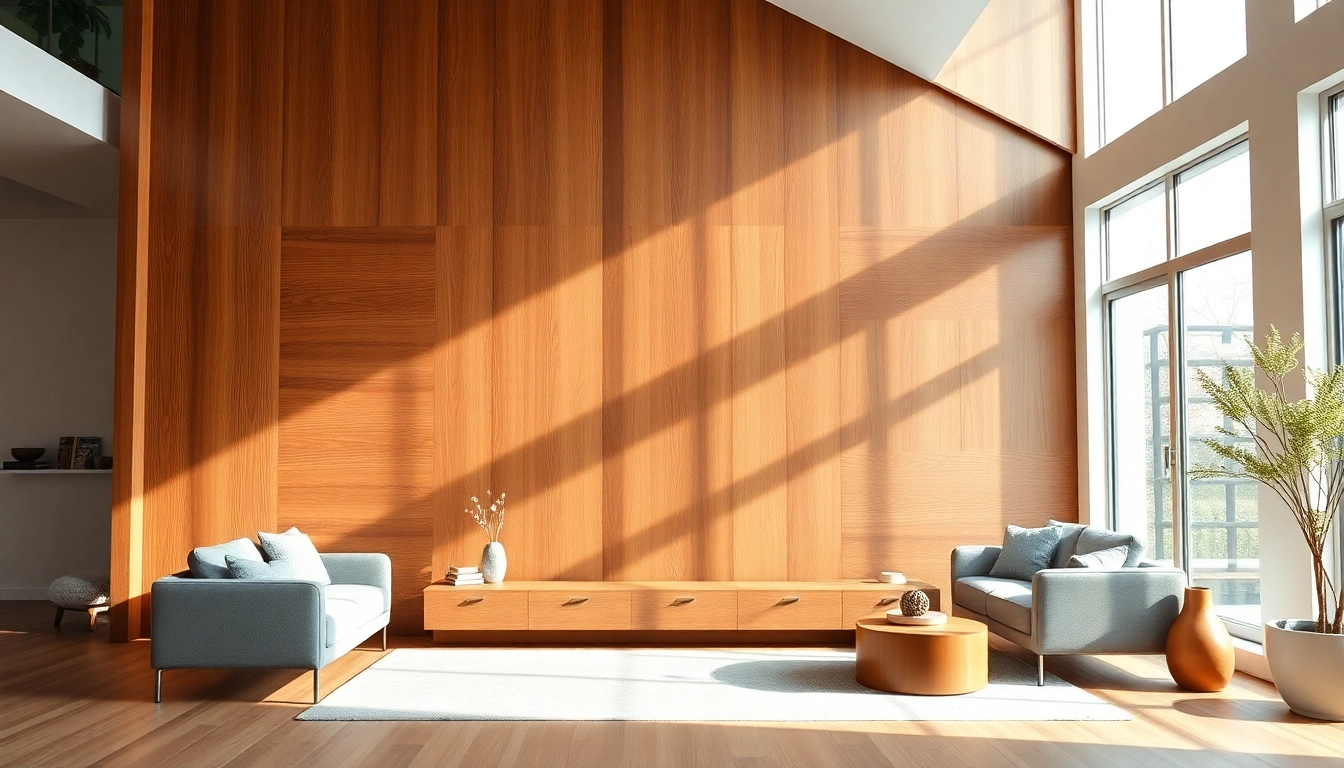
Understanding Wood Wall Basics
Wood walls are a versatile and aesthetically pleasing choice for interior design, offering warmth, texture, and a natural feel to any space. From living rooms to offices, the use of a wood wall can significantly alter the ambience of a room. To understand what makes wood walls a popular choice, we first need to explore their definition, benefits, and the various materials available.
What is a wood wall?
A wood wall typically refers to a wall that is either fully constructed of wood or has wood panels affixed to its surface. This construction can feature solid wood planks, engineered wood, or decorative wood wall panels, allowing for diverse looks ranging from rustic to modern. The panels may be designed with unique textures and colors, making them adaptable to various design preferences and styles.
Benefits of wood walls
There are numerous advantages to incorporating wood walls in your interior spaces:
- Warmth and Comfort: Wood has inherent thermal properties that can make spaces feel more inviting and cozy.
- Aesthetic Appeal: A wood wall provides unmatched aesthetic qualities, capable of enhancing the beauty of any room.
- Durability: Quality wood products are long-lasting, offering good wear resistance and structural integrity.
- Sound Insulation: Wood can help absorb sound, making it a wise choice for spaces that require noise reduction.
- Eco-friendly Options: Sustainable wood sourcing is becoming more common, allowing for environmentally conscious design choices.
Types of wood wall materials
When choosing materials for a wood wall, consider the following options:
- Solid Wood: This option features planks made from solid lumber, providing authentic aesthetics and durability.
- Engineered Wood: Made from layers of wood or wood fibers bonded together, engineered wood is more stable and often less prone to warping.
- Plywood: Plywood panels can create a sleek and contemporary wood wall at a lower price point compared to solid wood alternatives.
- Wood Veneer: Thin slices of hardwood applied over a substrate, allowing for a luxurious look without the high cost of solid wood.
- Reclaimed Wood: Sourced from old structures, reclaimed wood contributes a unique character to walls.
Design Ideas for Wood Walls
When it comes to designing wood walls, the possibilities are nearly endless. It’s essential to think creatively about how to integrate wood into your space without overwhelming the overall design.
Contemporary wood wall options
For a modern feel, consider sleek, minimalist designs that incorporate vertical slats or large panels with clean lines. Techniques like using contrasting colors, combining matte and gloss finishes, or incorporating lighting can enhance contemporary wood walls. In spaces like kitchens and offices, these wood walls can offer a stylish backdrop that promotes a functional mood.
Rustic and vintage wooden wall styles
Rustic designs appeal to those who appreciate a cozy, lived-in look. Using reclaimed wood with natural finishes can add warmth and character to your space. In vintage settings, shiplap or barnwood panels can evoke a historical charm, ideal for dining rooms or bedrooms. Mixing textures, such as pairing wood walls with stone elements, adds dimension and interest.
Incorporating color with wood walls
Adding color to your wood wall can create striking visual interest and style. Whether opting for painted wood panels, stained finishes, or incorporating bold hues and patterns, color can completely transform the atmosphere. Consider accent walls or color blocking for a modern twist, or complementary tones for a subtle, sophisticated effect.
Installation Techniques for Wood Walls
Installing a wood wall can be a rewarding project, but preparation and technique are crucial for ensuring a quality finish. Below is a guide to various aspects of wood wall installation.
Preparing the wall surface
Before installation, ensure the wall surface is clean, dry, and smooth. Remove any existing wall coverings or fixtures and patch any holes or imperfections. If working with a wall that has significant moisture exposure, consider adding a moisture barrier to prevent damage to the wood.
Tools needed for installation
The following tools are typically required for a successful installation:
- Measuring tape
- Level
- Stud finder
- Chalk line
- Circular saw or hand saw
- Nail gun or hammer
- Adhesive (if applicable)
- Pencil for marking
Step-by-step installation process
- Measure the wall to determine how much material you will need.
- Mark the location of studs using a stud finder.
- Use a chalk line to mark a level line where the first row of panels will go.
- Cut the wood to size while considering any outlets or fixtures.
- Begin installing wood panels from the bottom up, securing them either with nails or adhesive.
- Continue up the wall, ensuring to stagger the seams for visual appeal and structural support.
- Finish with trim or moldings as needed.
Maintaining Your Wood Wall
Proper maintenance of wood walls can extend their lifespan while enhancing their beauty overtime. Here are some tips on keeping your wood walls in pristine condition.
Cleaning and upkeep tips
Regularly dust wood walls to remove dirt and debris. For deeper cleans, use a damp cloth with a mild detergent, but avoid using excessive water as it can warp the wood. It's also advisable to schedule periodic inspections to check for signs of damage or wear.
Protecting against wear and tear
Using protective finishes or sealants on your wood wall can provide an added layer of defense against moisture, staining, and scratches. Consider applying a varnish or polyurethane finish to increase durability, especially in high-traffic areas.
Restoration methods for old wood walls
If your wood wall shows signs of aging, such as fading or scratches, restoration can breathe new life into it. Light sanding, followed by refinishing with appropriate stains or paints, can rejuvenate the wood. In cases of more significant damage, replacement of specific panels may be necessary.
Cost Considerations and Budgeting
When planning a wood wall project, budget considerations are crucial. Understanding price points and how to save on costs can help ensure you get the style you want while remaining within budget.
Understanding wood wall pricing
The cost of a wood wall depends on several factors, including the type of wood, the size of the space, and the installation method. On average, wood wall materials can range from $10 to $30 per square foot, excluding installation costs. Premium woods or intricate designs may increase this cost significantly.
Comparing cost with other materials
While wood walls can be more expensive than options like drywall or painted walls, they offer unparalleled aesthetic and functional benefits. Choosing engineered wood or even composite materials can provide some cost savings while still delivering the charm of natural wood.
Ways to save on your wood wall project
Several strategies can help save costs on wood wall projects:
- DIY Installation: Tackling the installation yourself can save labor costs significantly.
- Material Choices: Opt for less expensive materials or finishes without sacrificing quality.
- Shop Sales: Look for deals and discounts on wood materials, especially during seasonal sales.
Frequently Asked Questions
Are wood walls cheaper than drywall?
Generally, wood paneling tends to be more expensive compared to drywall due to the costs of material and installation. However, the aesthetic appeal and longevity of wood can justify the investment.
How much does a wooden wall cost?
Costs can vary widely; wood wall panels typically range from $10 to $30 per square foot, depending on the wood type and installation complexity.
Is it cheaper to build a wall with wood or metal?
Wood is often more economical than metal for wall building due to lower material costs and easier installation processes, making it a favorable choice for many homeowners.
How do I maintain a wood wall?
Regular dusting, gentle cleaning with a damp cloth, and applying a protective sealant can help maintain the appearance and integrity of your wood wall.
Can I install a wood wall myself?
Yes, many homeowners successfully install wood walls themselves. Proper preparation, tools, and following a systematic approach will ensure satisfactory results.