
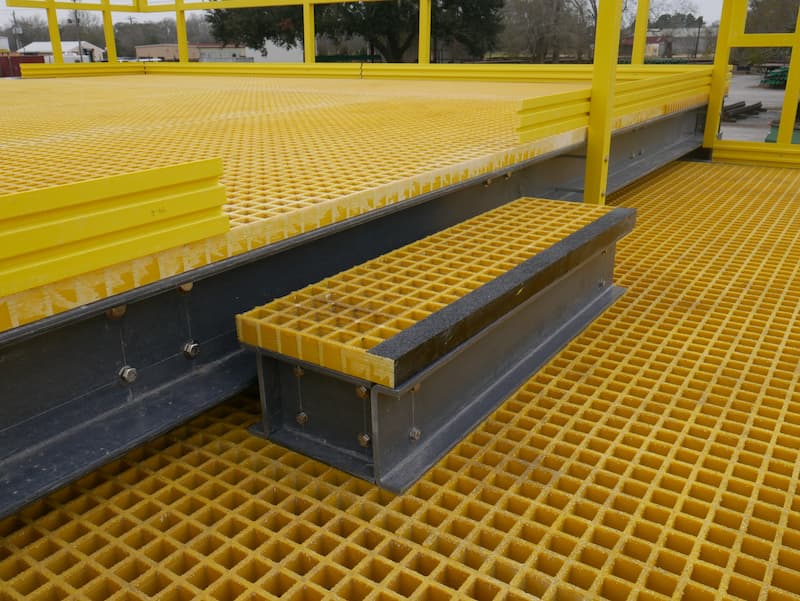
Glass Reinforced Plastic (GRP) Grating has revolutionized industrial flooring and platform solutions across multiple industries. Facilities ranging from marine operations to chemical plants are increasingly moving away from traditional steel and timber flooring systems in favor of GRP Grating. Lightweight, durable, corrosion-resistant, and low-maintenance, GRP Grating is a practical investment for long-term facility management. However, selecting the right GRP Grating can be challenging, given the range of types, sizes, and features available.
This guide explores everything you need to know to make an informed decision, ensuring your facility maximizes safety, efficiency, and cost-effectiveness.
Understanding GRP Grating
Before selecting a GRP Grating, it is crucial to understand what it is and why it is superior to traditional materials. GRP Grating is a composite material made from thermosetting resins reinforced with glass fibers. The glass fibers provide structural strength, while the resin matrix binds them together, creating a lightweight yet highly durable product.
Types of GRP Grating
There are two primary types of GRP Grating:
- Best suited for high-impact areas or environments exposed to moisture and chemicals.
- Known for excellent corrosion resistance and durability in wet conditions.
- Often chosen for walkways, maintenance platforms, and chemical processing facilities.
- Offers higher strength and stiffness, making it ideal for long spans and heavy loads.
- Provides precise dimensional consistency and high load-bearing capacity.
- Commonly used in offshore platforms, industrial plants, and elevated structures.
Both types are non-conductive, fire-retardant, and require minimal maintenance, making them safe and economical for long-term facility use.
Key Factors to Consider When Choosing GRP Grating
Selecting the right GRP Grating requires careful consideration of several factors:
1. Load-Bearing Requirements
Different areas of your facility may have varying load demands. Pultruded GRP Grating is recommended for platforms or access areas with heavy equipment, while moulded GRP Grating is suitable for standard walkways and maintenance areas. Always check the manufacturer’s load capacity charts to ensure the grating meets your facility’s requirements.
2. Corrosion Resistance
Facilities exposed to chemicals, moisture, or saltwater need GRP Grating with high corrosion resistance. Both moulded and pultruded types resist chemical attack, but for extreme chemical environments, opt for gratings with specialized resin coatings for enhanced protection.
3. Slip Resistance
Worker safety is paramount. GRP Grating can be supplied with integrated quartz grit or other anti-slip coatings to prevent accidents in wet, oily, or high-traffic environments. Ensure the grating’s surface finish complies with relevant safety standards.
4. Fire Retardancy & Non-Conductivity
Some areas, such as electrical installations or offshore platforms, require non-conductive and fire-retardant flooring. GRP Grating can be manufactured to meet these criteria, reducing fire risk and enhancing worker safety.
5. Span & Support Structure
The support structure beneath the grating impacts the type and thickness required. Pultruded GRP Grating is better for longer spans due to its higher stiffness, while moulded grating suits smaller spans. Consider the spacing of support beams when calculating load-bearing requirements.
6. Maintenance & Longevity
GRP Grating is low-maintenance, but some variations offer longer lifespans due to UV-stabilized resins or extra-thick grit surfaces. For outdoor installations, UV resistance helps maintain color and strength over time.
7. Ease of Installation
Lightweight GRP Grating allows faster installation and reduces labor costs. Unlike steel, it can be cut on-site with standard tools, avoiding heavy equipment or hot work permits. Facilities with restricted access or remote locations particularly benefit from easy handling.
Benefits of Using GRP Grating in Your Facility
Choosing the right GRP Grating provides a variety of long-term advantages:
- Corrosion Resistance – Unlike steel, GRP Grating does not rust, even when exposed to chemicals, oils, or saltwater. Reduced corrosion means lower maintenance costs and a longer lifespan.
- Lightweight yet Strong – GRP Grating is significantly lighter than steel but retains high structural strength. This reduces transport, handling, and installation challenges.
- Slip Resistance – Anti-slip surfaces enhance worker safety and ensure compliance with health and safety regulations.
- Fire Retardant & Non-Conductive – Ideal for electrical or flammable environments, reducing fire risk and electrical hazards.
- Cost Efficiency – Though initial costs may be higher than steel or timber, the total cost of ownership is lower due to minimal maintenance, long lifespan, and reduced replacement frequency.
- Environmental Advantages – Long-lasting and recyclable, GRP Grating minimizes material waste and reduces emissions during transportation due to its lightweight nature.
Applications of GRP Grating Across Industries
GRP Grating is versatile and widely used in industrial settings:
Construction & Infrastructure
- Walkways, catwalks, and maintenance platforms.
- Especially useful in corrosive or high-moisture environments.
Water & Utilities
- Sewage treatment plants, pumping stations, and waterworks.
- Resistant to chemicals, moisture, and harsh conditions.
Marine & Offshore
- Jetties, pontoons, offshore rigs.
- Saltwater exposure does not degrade the material.
Rail & Transport
- Station platforms, maintenance areas, and trackside walkways.
- Lightweight, durable, and anti-slip.
Chemical & Manufacturing
- Processing plants and chemical facilities with high traffic or exposure to spills.
- Long-term durability ensures reduced downtime and maintenance costs.
How to Measure and Specify GRP Grating
Proper measurement and specification are essential to ensure your facility receives the correct GRP Grating:
- Determine Span Length – Measure the distance between support beams to select the correct grating type and thickness.
- Identify Load Requirements – Include static and dynamic loads in calculations for safe operation.
- Surface Finish Selection – Choose between standard, grit, or heavy-duty anti-slip surfaces depending on safety needs.
- Environmental Conditions – Consider UV exposure, chemical contact, or marine conditions when specifying resin type.
- Edge Profiles & Accessories – Check for edge trims, stair treads, or brackets to complete installation safely.
Cost Considerations
While GRP Grating can have a higher upfront cost than timber or standard steel, the total investment is justified by:
- Long lifespan (often 20+ years)
- Reduced maintenance and repair costs
- No need for repainting or protective coatings
- Faster installation and labor savings
Facilities that prioritize long-term performance, safety, and sustainability often find GRP Grating to be the most cost-effective solution over time.
FAQs About GRP Grating
1. Can GRP Grating support heavy loads?
Yes. Pultruded GRP Grating is engineered for high load-bearing capacities and can be tailored to specific spans and weights. It is ideal for industrial platforms, elevated walkways, and areas with heavy equipment.
2. How do I maintain GRP Grating?
GRP Grating requires minimal maintenance. Regular cleaning with water and mild detergent is sufficient. Unlike steel, it does not rust, and no protective coatings are needed. Occasional inspection for surface damage is recommended.
3. Can GRP Grating be customized for specific facility needs?
Absolutely. GRP Grating can be cut to size on-site, fitted with anti-slip surfaces, fire-retardant resins, or UV protection. Edge trims, stair treads, and other accessories can also be added for tailored installations.
Conclusion
Selecting the right GRP Grating is a critical decision for facility managers seeking durability, safety, and long-term cost savings. By understanding load requirements, environmental conditions, and surface needs, you can ensure the grating chosen provides maximum performance.
Whether your facility operates in marine, chemical, water treatment, transport, or construction sectors, GRP Grating offers a lightweight, corrosion-resistant, and low-maintenance solution. Investing in high-quality, UK-manufactured GRP Grating ensures your facility remains safe, efficient, and sustainable for decades to come.
For trusted expertise and premium GRP Grating solutions, contact GRP Grating today to explore options for your industrial facility. Our homepage is packed with the latest tools and information—don’t miss it.