Understanding License Plate Recognition Cameras
What is a license plate recognition camera?
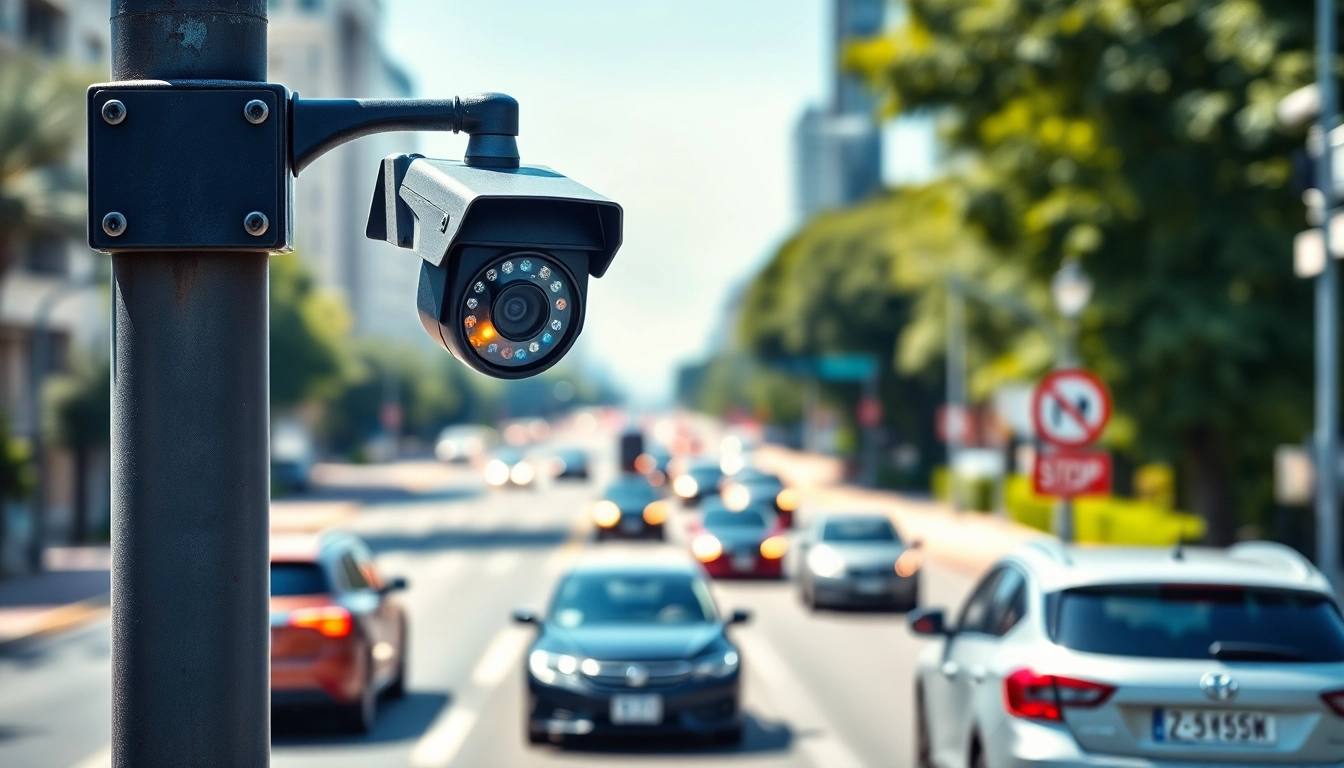
A license plate recognition camera is a specialized type of camera designed to automatically identify and read vehicle license plates. These cameras are equipped with advanced imaging technology and software that allow them to capture and process license plate data in real time. Used in various applications from law enforcement to traffic management, these cameras enhance security and streamline access control systems.
How does the license plate recognition camera work?
The functioning of a license plate recognition camera relies on several key components. First, it uses high-resolution imaging sensors to take clear pictures of passing vehicles. Once an image is captured, the camera processes it using optical character recognition (OCR) technology to detect and interpret the letters and numbers on the plate.
Additionally, the camera's software may incorporate artificial intelligence algorithms to improve reading accuracy and optimize performance under various conditions, such as different weather scenarios or speeds of approaching vehicles. This combination of technologies ensures that the license plate recognition camera can read plates effectively, even in challenging lighting or environmental conditions.
Key features of license plate recognition cameras
- High Resolution: Essential for capturing clear images of license plates from a distance.
- Speed Detection: Capable of processing multiple images in quick succession to catch fast-moving vehicles.
- Real-time Processing: Ability to analyze and interpret data onsite without the need for extensive post-processing.
- Durability: Designed to withstand various environmental conditions, ensuring consistent operation.
- Integration Capabilities: Can be connected to larger security systems for centralized monitoring and data analysis.
Benefits of Using License Plate Recognition Cameras
Improved security measures with license plate recognition camera
Implementing a license plate recognition camera enhances security for both private and public properties. By continuously monitoring vehicles and capturing license plates, organizations can streamline their security protocols, effectively reducing unauthorized access. In the case of theft or incidents, historical plate data allows security personnel to track down suspects swiftly.
Furthermore, many systems now integrate with law enforcement databases, which can flag vehicles of interest instantly, thereby improving response times during security events.
Efficiency in traffic management using license plate recognition camera
Traffic management is greatly enhanced through the use of license plate recognition cameras, which facilitate better monitoring of vehicle flow in urban areas. Authorities can collect data on traffic patterns, identify congestion points, and respond to incidents swiftly, improving overall civic infrastructure. Furthermore, they lend themselves effectively to electronic toll collection and parking management systems, where they can automatically charge tolls or check parking permissions without human intervention.
Enhanced data collection with license plate recognition cameras
Data collection through license plate recognition cameras presents significant advantages in analyzing vehicle demographics. By understanding when and where various vehicles frequent, agencies can allocate resources more efficiently, predict traffic trends, or enhance the planning of road developments. This data-driven approach allows stakeholders to make informed decisions to improve overall traffic efficiency and public safety.
Choosing the Right License Plate Recognition Camera
Factors to consider when selecting a license plate recognition camera
Choosing the right license plate recognition camera involves assessing various factors such as usage context, environment, and technological compatibility. Key considerations include:
- Operational Environment: Indoor versus outdoor use can dictate camera type, as outdoor cameras need to withstand harsher weather conditions.
- Lighting Conditions: It’s critical to choose cameras equipped with night vision or infrared capabilities for low-light conditions.
- Connectivity: Ensure that the camera can easily connect to existing security networks or systems for data sharing and processing.
The importance of camera resolution
Resolution is a crucial feature when selecting a license plate recognition camera. Higher resolution cameras capture clearer images of license plates, which is essential for accurate recognition. A camera with lower resolution may struggle to read plates accurately, especially those moving at high speeds or under less-than-ideal lighting conditions. As a general guideline, a camera should ideally have a minimum of 1080p resolution for optimal performance.
Assessing the installation requirements for license plate recognition cameras
Installation is another critical aspect, requiring careful planning regarding positioning and angles. Cameras should be mounted strategically for optimal field of view and must adhere to local regulations regarding surveillance. It is advisable to assess wiring and power supply needs, as some models might need more sophisticated setups. Consultation with a professional installer can ensure that the camera system is set up efficiently and effectively.
Installation and Maintenance of License Plate Recognition Cameras
Steps for proper installation of a license plate recognition camera
Proper installation of a license plate recognition camera involves several steps:
- Site Assessment: Analyze the area to determine the best placement for maximum coverage.
- Mounting the Camera: Securely attach the camera in a location that minimizes obstructions and maximizes visibility.
- Wiring and Connections: Connect power and data cables (or ensure Wi-Fi connectivity) as needed for alerts and continuous monitoring.
- Configuring Settings: Adjust camera settings based on the environment, including exposure, resolution, and recognition algorithms.
- Testing: Conduct thorough testing to ensure the camera operates correctly and the recognition software is functioning as intended.
Common maintenance tasks for license plate recognition cameras
Routine maintenance for a license plate recognition camera is essential to ensure longevity and optimal performance. Key tasks include:
- Cleaning the Lens: Regularly clean the camera lens to prevent dirt or grime from obstructing the view.
- Software Updates: Ensure that the camera's software is regularly updated to enhance functionality and security.
- Hardware Checks: Inspect mounting fixtures and connections to ensure stability and avoid disconnection.
How to troubleshoot license plate recognition camera issues
When issues arise with a license plate recognition camera, troubleshooting steps vary based on the problem type. Common troubleshooting tips include:
- Check power supply and connections if the camera is non-responsive.
- Review software settings to ensure recognition algorithms are properly set.
- Inspect for any obstructions that might impair the camera's field of view.
If problems persist, consult the manufacturer’s guidelines or contact a professional service provider for assistance.
Future Trends in License Plate Recognition Technology
Innovative advancements in license plate recognition cameras
The field of license plate recognition technology is continuously evolving. Recent advancements include the incorporation of deep learning algorithms that enhance plate recognition accuracy, even under various conditions such as different fonts or damaged plates. Additionally, photonics technology is improving the quality of imaging systems, allowing for clearer, more precise capture of vehicle plates.
Integration of AI with license plate recognition cameras
Artificial intelligence is changing the landscape of license plate recognition cameras. AI-based cameras can learn and adapt over time, improving accuracy in recognizing plates as they process more data. This capacity allows for better management of vast vehicle databases and assists in generating predictive analytics, which can further aid traffic management and law enforcement efforts.
Potential applications beyond traditional usage of license plate recognition cameras
Beyond security and traffic management, future applications of license plate recognition cameras may span various domains. These cameras can be utilized in smart city infrastructures for monitoring public transport, managing parking spaces in real time, and assisting in social initiatives such as aiding in the identification of stolen vehicles. The versatility of these systems makes them a critical component of future urban planning and security measures.
FAQs
1. What should I consider when purchasing a license plate recognition camera?
Key factors include resolution, operational environment, lighting conditions, and installation requirements to ensure effective performance in your specific context.
2. Can license plate recognition cameras work at night?
Yes, many modern systems come equipped with infrared or night vision capabilities, providing clear images even in low-light conditions.
3. How does weather affect license plate recognition?
Weather conditions such as rain or fog can impact visibility, but high-quality cameras are designed to perform well despite environmental challenges.
4. Are license plate recognition cameras legal to install?
Yes, but legality varies based on location and intended use. Always check local regulations regarding privacy and surveillance before installation.
5. How is license plate recognition data stored?
Data can be stored locally on servers or via cloud-based solutions, allowing for easy access and management of licensing plate records for authorized personnel.