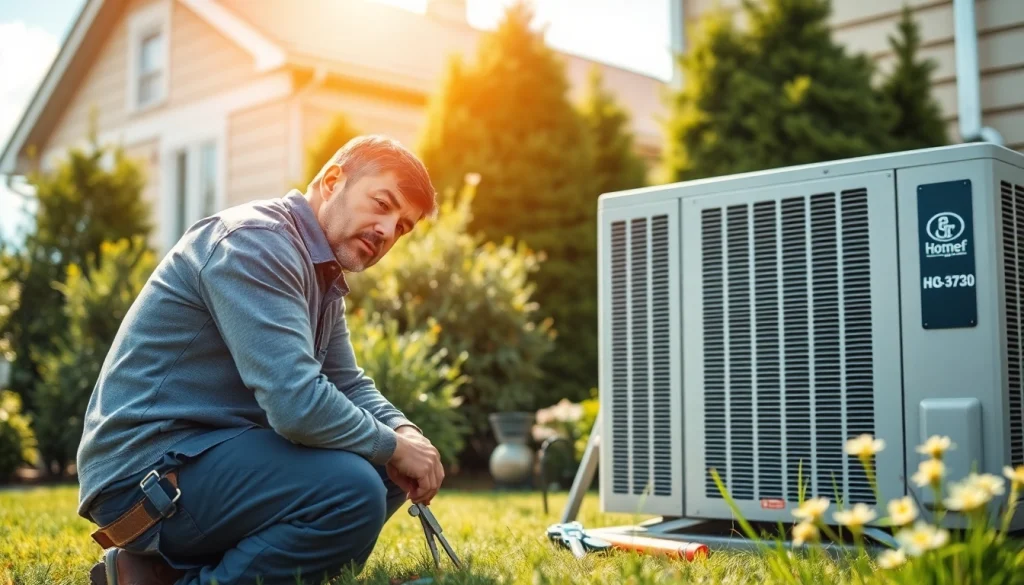
Understanding the Benefits of Heat Pump Installation
Choosing to invest in heat pump installation is a decision that can profoundly enhance the comfort of your home while also being economically savvy. Heat pumps are versatile HVAC systems designed to provide heating in winter and cooling in summer, making them a year-round solution for climate control. In this section, we will explore the multifaceted benefits of heat pump installation to help homeowners appreciate the value they bring.
Energy Efficiency and Cost Savings
Heat pumps operate on a principle of transferring heat rather than generating it through combustion, which is the standard method used by traditional HVAC systems. This unique operation method allows heat pumps to achieve efficiency ratings that are significantly higher than conventional heating and cooling systems. For instance, the Coefficient of Performance (COP) of heat pumps typically ranges from 3 to 5, meaning they can produce three to five units of heating or cooling for every unit of electricity consumed.
This energy efficiency translates directly into cost savings. Homeowners often see a dramatic reduction in their utility bills after installing a heat pump system. Even in extreme temperatures, modern heat pumps can function effectively, thanks to advances in technology. Specifically, variable-speed compressor technology allows units to operate efficiently by adjusting their output based on current conditions, saving homeowners more over time.
Environmental Impact and Sustainability
As climate change becomes a growing concern, homeowners are increasingly looking for sustainable options. Heat pumps contribute significantly to reducing greenhouse gas emissions compared to traditional heating systems that rely on fossil fuels. By utilizing electricity—especially when sourced from renewable energy—homes can become more environmentally friendly, decreasing reliance on non-renewable resources. The Environmental Protection Agency (EPA) asserts that heat pumps typically result in lower carbon footprints, making them a critical component in sustainability efforts.
Additionally, many regions offer incentives for heat pump installations, such as tax credits or rebates, making them an attractive financial choice for the environmentally conscious consumer. By investing in a heat pump, homeowners not only benefit from lower energy costs but also contribute positively to global sustainability efforts.
Year-Round Comfort in Home Climate Control
One of the standout features of heat pumps is their ability to provide both heating and cooling, ensuring homeowners are comfortable regardless of external conditions. Unlike traditional furnaces or air conditioners that are limited to one function, heat pumps excel in delivering consistent indoor temperatures throughout the year.
When installed correctly, heat pumps maintain even temperature distribution across different rooms, eliminating hot or cold spots that can plague conventional systems. Additionally, the integration of smart technology with heat pump systems allows for more precise control of indoor climate, enabling users to optimize settings based on their lifestyle and preferences.
Choosing the Right Heat Pump for Your Needs
Investing in a heat pump is an important decision that should be based on a thorough understanding of your specific needs and circumstances. This section will provide insights into various types of heat pumps and the essential factors to consider before making your installation choice.
Types of Heat Pumps Explained
Heat pumps come in various configurations to meet the unique needs of homeowners. Here are the primary types:
- Air Source Heat Pumps: These systems extract heat from the air outside and transfer it indoors. They are the most common type of heat pump and are suitable for a wide range of climates, particularly in moderate regions.
- Ground Source (Geothermal) Heat Pumps: Geothermal systems tap into the Earth’s constant underground temperatures to provide heating and cooling. These systems tend to be more efficient than air-source systems and are ideal for areas with extreme temperature variations.
- Water Source Heat Pumps: These utilize water bodies, such as lakes or wells, to transfer heat. Water source systems can be highly efficient and are suitable if there’s a feasible water source on the property.
- Ductless Mini-Split Heat Pumps: Perfect for homes lacking ductwork, these systems allow for localized heating and cooling and can be easily installed in individual rooms.
Factors to Consider Before Installation
Before proceeding with installation, consider the following factors:
- Climate: Your local climate will significantly affect the efficiency and performance of different heat pump types.
- Home Size: The size and layout of your home will determine the required capacity of the heat pump. A professional assessment can provide optimal sizing recommendations.
- Energy Needs: Evaluate your energy consumption habits and needs. Some systems offer advanced features for energy management that may benefit you.
- Installation Costs: While heat pumps can save money in the long run, installation might require a significant upfront investment. Assess your budget accordingly.
Expert Recommendations for Homeowners
To navigate the intricacies of selecting and installing a heat pump, homeowners should seek recommendations from HVAC professionals. Here are key tips:
- Choose a certified contractor experienced in heat pump installations to ensure correct sizing and placement.
- Look for units with high Efficiency Ratings (SEER and HSPF) for air-source systems, ensuring lower operational costs.
- Investigate available rebates and financing options that can help offset installation expenses.
- Consider system warranties and long-term support from the manufacturer or installer.
Preparing for a Heat Pump Installation
Preparedness is vital for a seamless heat pump installation. This section outlines essential steps to take before installation day.
Site Assessment and Requirements
A thorough site assessment is a crucial step before installation. Here’s what to consider:
- Space Availability: Ensure there is adequate space outside and inside for the heat pump and its components.
- Access to Utilities: Confirm that the site has access to necessary utilities, including electricity and potentially water for geothermal systems.
- Local Regulations: Check any local building codes or permit requirements that may apply to heat pump installations.
Choosing a Qualified Installation Professional
Selecting a qualified contractor is paramount to the success of your heat pump installation. Here are tips for making the right choice:
- Verify that potential contractors have the necessary licenses, insurance, and certifications for installation.
- Seek multiple quotes and evaluate them based on provided services and warranties.
- Check online reviews and ask for references from previous clients to gauge customer satisfaction.
Pre-Installation Checklist for Homeowners
To ensure a smooth installation day, use this pre-installation checklist:
- Confirm scheduled installation date and time with the contractor.
- Prepare your home by relocating any items around the installation area.
- Ensure pets and family members are kept at a safe distance during the installation.
- Double-check the installation requirements discussed with your contractor.
The Installation Process: What to Expect
Understanding the installation process can help alleviate any concerns you may have. Here’s a step-by-step guide to what you can expect.
Step-by-Step Heat Pump Installation Guide
- Preparation: The installation team will arrive punctually, going over the installation plan with you to align expectations.
- Removing Old Units: If applicable, they will safely remove any existing heating or cooling systems.
- Setup: Proper placement of the indoor and outdoor units will be established, ensuring efficient airflow and access for maintenance.
- Electrical and Plumbing Connections: Necessary connections to electrical systems and refrigerant lines will be made, ensuring adherence to codes.
- System Configuration: The unit is configured for optimal performance with a final system check.
- Testing: Advanced testing is conducted to ensure that the system operates correctly before the team departs.
Common Challenges and Solutions During Installation
Challenges can arise during installation. Here are common issues and their solutions:
- Access Issues: Limited access to installation areas can delay project timelines. Planning by the contractor should alleviate this before installations.
- Weather Conditions: Installation during inclement weather can pose risks. Rescheduling may be necessary for safety.
- Unexpected Structural Issues: Sometimes hidden issues like poor ductwork may be discovered. A skilled contractor will provide effective solutions, including alternatives.
Post-Installation Testing and Adjustments
Once installation is complete, the final testing phase ensures the system functions as intended. This might include:
- Examining airflow and returning temperature checks.
- Calibrating thermostats and controls for optimal efficiency.
- Providing an overview of system operations and setting up maintenance schedules.
Maintaining Your Heat Pump for Optimal Performance
Proper maintenance is key to ensuring your heat pump operates efficiently over its lifetime. Here’s a guide on maintaining your system post-installation.
Essential Maintenance Tips for Longevity
Regular maintenance can greatly enhance the longevity of your heat pump. Here are recommended tips:
- Change or clean air filters monthly to ensure efficient airflow.
- Keep the outdoor unit clear of debris, such as leaves or snow, to prevent blockages.
- Schedule an annual professional maintenance check to thoroughly inspect and tune the system.
Signs Your Heat Pump Needs Repair
Being proactive in identifying issues can save costs later. Watch for these signs:
- Inconsistent temperatures across rooms, indicating potential airflow problems.
- Unusual noises or vibrations during operation, which could indicate mechanical issues.
- Increased energy bills without corresponding changes in usage, suggesting inefficiency.
When to Schedule Professional Maintenance Services
Timing maintenance services is crucial for system efficiency. Professional servicing should be scheduled:
- At least annually for complete checks and cleaning.
- Whenever signs of inefficiency are evident to prevent further damage.
- Before transitioning seasons to ensure the system is ready for heating or cooling demands.
Frequently Asked Questions
What are the benefits of heat pump installation?
Heat pump installation offers energy efficiency, cost savings, environmental sustainability, and year-round climate control benefits.
How long do heat pumps last?
With proper maintenance, heat pumps can last 15 to 25 years, depending on the type and usage.
Do I need to install ductwork for a heat pump system?
Ductless heat pumps do not require ductwork, making them suitable for homes without existing duct systems.
How much does heat pump installation cost?
Installation costs vary based on system type, home size, and installation complexity but typically range from $4,000 to $10,000.
What is the best heat pump for my climate?
The ideal heat pump depends on your climate; air-source heat pumps are excellent for moderate climates, while geothermal is ideal for extreme conditions.