Understanding the Basics of Gardening
Introduction to Gardening Essentials
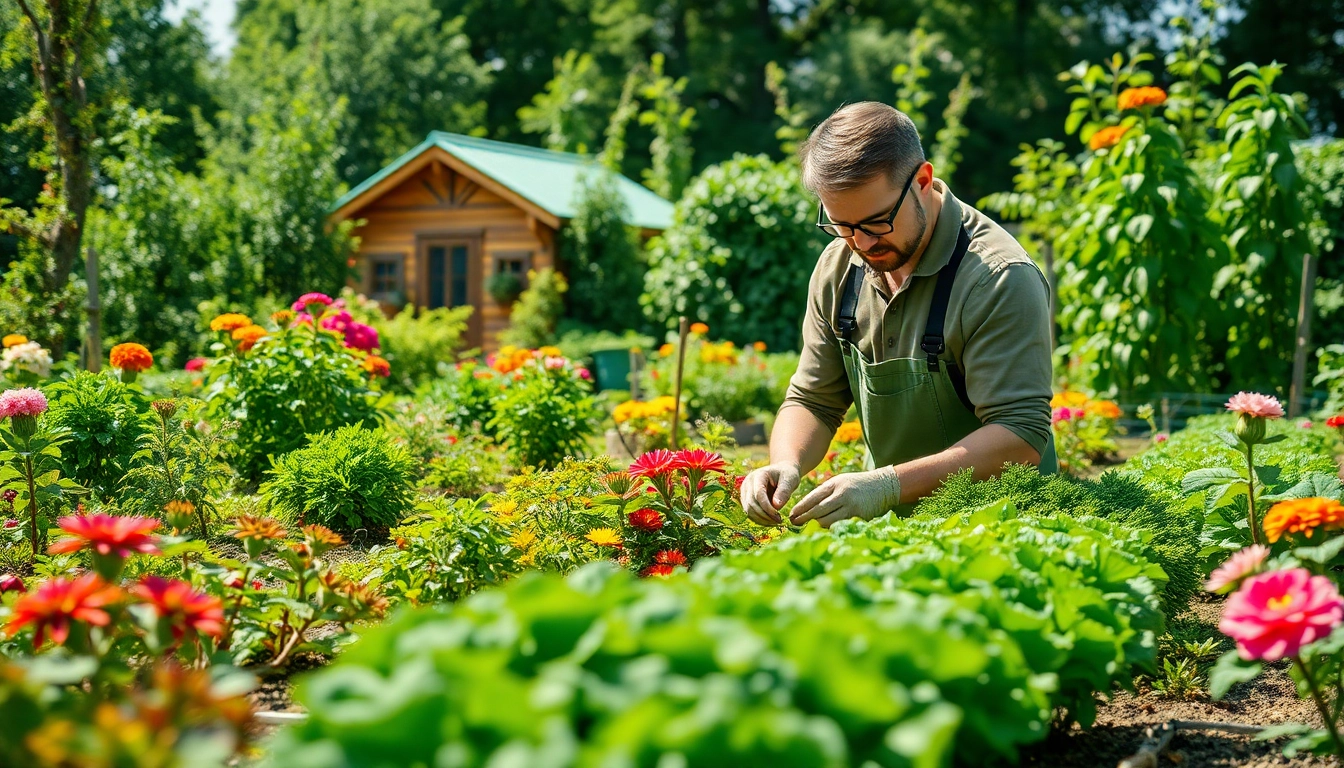
Gardening is a rewarding pursuit, blending creativity with nature. For novices and experienced horticulturists alike, embedding themselves in soil and plant life can lead to personal satisfaction as well as environmental benefits. Gardening offers relaxation and can enhance physical health, providing not just food but also fresh air, pleasant aesthetics, and even mental clarity as you connect with the natural world around you.
Choosing the Right Plants for Your Space
One of the initial steps in gardening involves selecting appropriate plants for your unique space. Begin by evaluating the growing conditions, which encompass sunlight, climate, and available space. For example, if your garden is predominantly shaded, opt for plants such as ferns or hostas that thrive in lower light.
This consideration extends beyond simply choosing flowers or vegetables; it's about understanding the ecosystem. Pairing plants that complement each other—such as combining tall flowers with ground cover—will create a visually appealing arrangement and can improve growth.
Soil Preparation and Fertilization Techniques
Soil acts as the foundation for healthy plants. Proper soil preparation can significantly affect plant health and crop yield. Testing soil pH is a crucial first step, as different plants thrive in varying acid-base levels. Amending the soil with organic matter (like compost) improves aeration, drainage, and nutrient content.
Fertilization should be approached with caution; over-fertilization can harm plants. Organic fertilizers, such as worm castings or fish emulsion, offer nutrients without the risk of chemical buildup. Understanding the nutritional needs of specific plants through their growth stages can optimize fertilization strategies.
Tools and Equipment for Successful Gardening
Must-Have Tools for Every Gardener
Equipping yourself with the essential tools is crucial for effective gardening. A well-rounded set should include:
- Trowel: Ideal for digging, planting, and transferring soil.
- Pruners: Essential for trimming and shaping plants.
- Hand rake: Useful for breaking up soil clumps.
- Garden fork: Aids in aerating and turning soil.
- Watering can or hose: Necessary for proper irrigation.
Innovative Garden Gadgets You Need
As technology progresses, innovative gardening tools can enhance efficiency and productivity. Consider investing in:
- Garden sensors: Monitor soil moisture and temperature, allowing for smarter watering practices.
- Automatic sprinklers: Ensure consistent water supply, tailored to plant needs.
- Compost tumblers: Speed up the decomposition process, resulting in nutrient-rich compost for your garden.
Maintenance Tools for Long-Term Care
Routine maintenance is key to keeping your garden flourishing. Beyond basic tools, consider investing in:
- Soil test kits: These help assess nutrient levels, ensuring you provide optimal care.
- Mulching equipment: Helps retain moisture and suppress weeds.
Regularly maintaining the equipment itself is equally important. Cleaning and storing tools properly increases their longevity and effectiveness.
Garden Layout and Design Principles
Creating an Efficient Garden Layout
The layout of a garden plays a pivotal role in its success. Zones should be designated based on plant height and needs. Taller plants should be placed at the back of beds or the center of round plots, allowing shorter varieties to receive adequate sunlight.
Also, utilizing raised beds can improve drainage and soil quality while minimizing weeds and pests. Be mindful of plant spacing to promote airflow and reduce disease risk.
Incorporating Aesthetic Elements in Your Garden
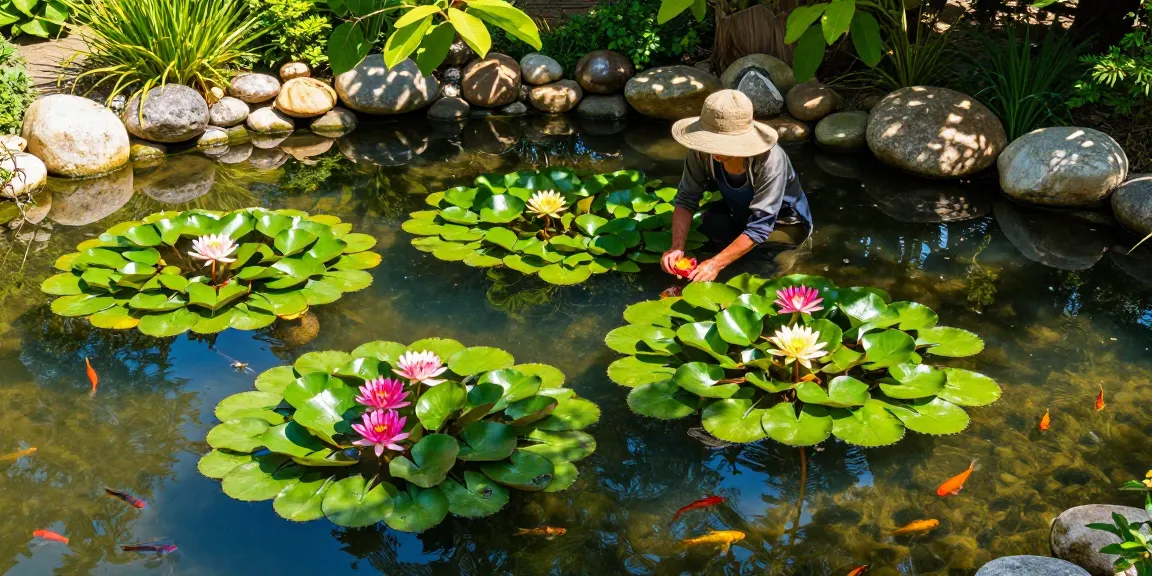
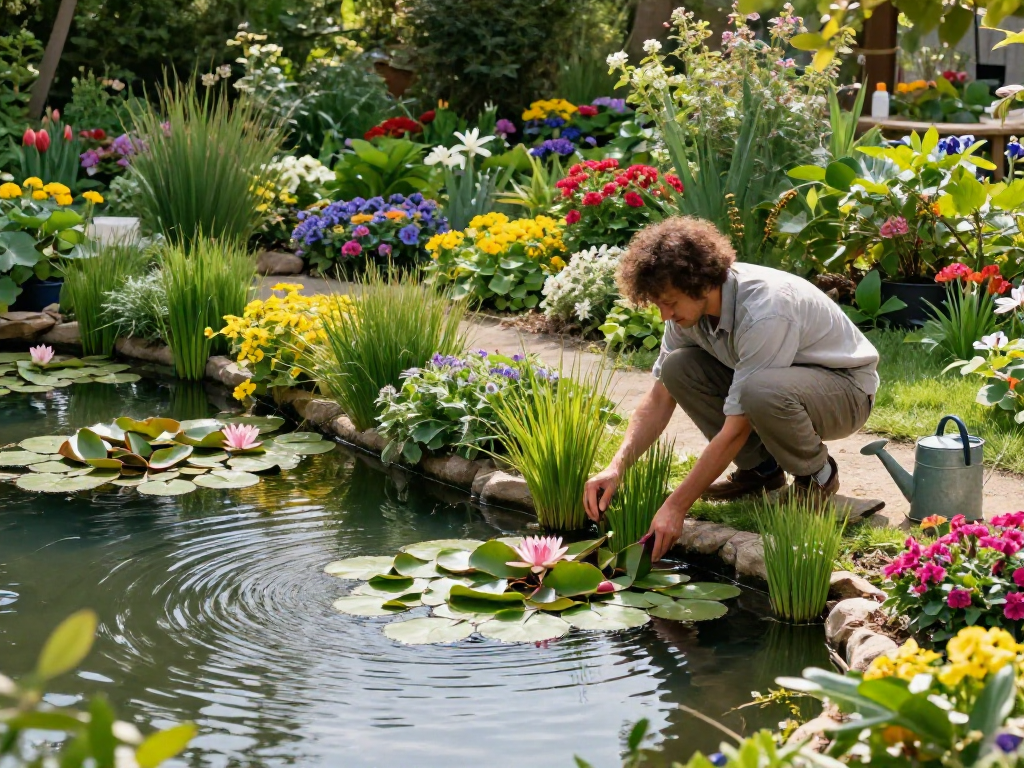
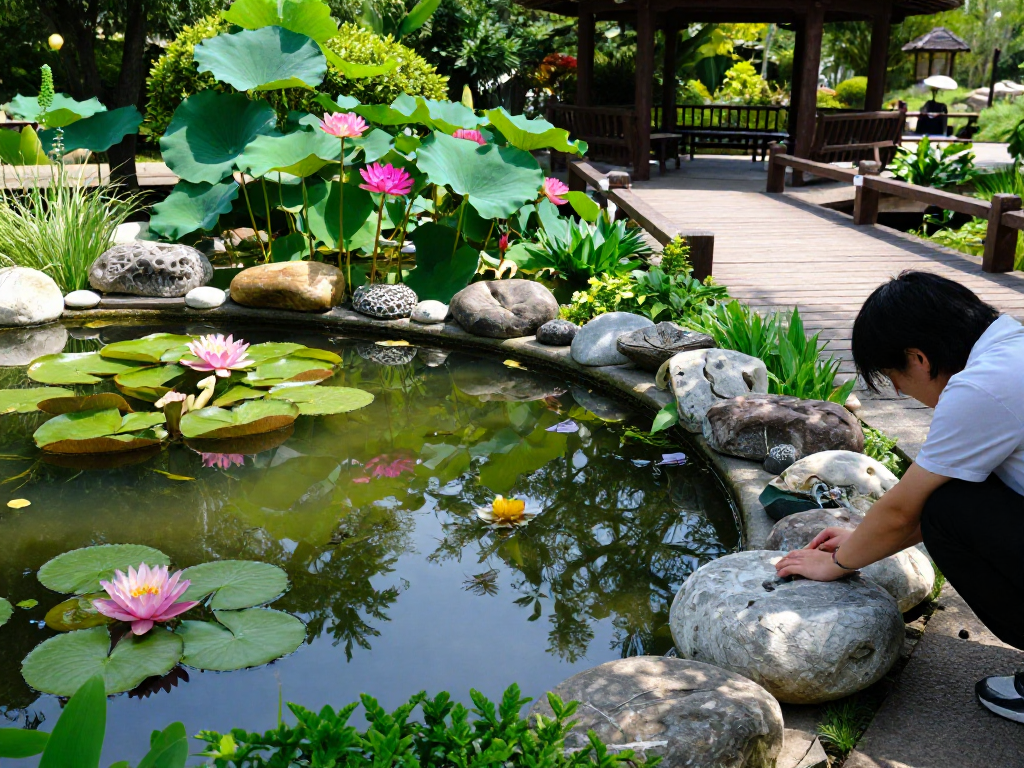
While functionality is crucial, aesthetics elevate a garden’s appeal. Incorporating elements like pathways, decorative edges, and focal points (such as sculptures or water features) introduce visual interest. Choosing a color palette can create cohesive beauty across different plant varieties.
Vertical Gardening: Utilizing Small Spaces
For urban gardeners or those with limited space, vertical gardening is a fantastic option. Structures such as trellises or wall-mounted planters maximize growing area while adding depth to the garden. Consider incorporating climbing plants like peas, beans, or flowering vines to enhance vertical space.
Watering and Irrigation Best Practices
Understanding Your Plants' Water Needs
Water management is essential to plant health. Recognize that different plants have differing hydration requirements. For instance, succulents need less frequent watering compared to tropical varieties. Developing a watering schedule aligned with plant needs can optimize growth.
Efficient Irrigation Systems for Home Gardens
Implementing systems such as drip irrigation can conserve water by delivering it directly to the plant roots, reducing evaporation and runoff. Rainwater harvesting systems can be an eco-friendly way to maintain garden hydration without relying on municipal water.
Water Conservation Techniques
Implementing water-saving techniques, such as mulching to retain soil moisture and selecting drought-resistant plants, can significantly reduce water usage. Additionally, establishing a compost barrel can enhance soil moisture retention, creating a sustainable gardening cycle.
Harvesting and Beyond: Advanced Gardening Techniques
When and How to Harvest Your Crops
Harvesting requires understanding when your plants are at their peak. Timing varies by plant species; for example, beans are best when young and tender while ripening tomatoes indicate ready for harvest. Proper harvesting techniques, such as using clean, sharp tools, prevent damage to the plant and promote continued growth.
Seasonal Gardening Tips for Year-Round Growth
To cultivate throughout the year, plan a seasonal approach, interspersing cool-season crops like kale and radishes with warm-season varieties such as tomatoes or peppers. Additionally, consider indoor gardening options or using cold frames to extend the growing season.
Pest Management and Organic Practices
Pest management is a critical aspect of gardening. Employing organic methods can protect your plants while preserving beneficial insects that help pollinate. Techniques like crop rotation, companion planting, and introducing natural predators (like ladybugs) can effectively control pest populations without harming the environment.
In conclusion, embracing Gardening encompasses a broad range of practices and philosophies that can lead to a lush, productive space. By understanding plant needs, utilizing effective tools, designing an efficient layout, managing water wisely, and implementing superior gardening techniques, anyone can cultivate their personal sanctuary of growth, beauty, and sustainability.