The Importance of Construction Safety Training
Why Safety Training is Essential
In the construction industry, where hazards abound and the stakes are often high, construction safety training serves as a critical pillar of workplace culture. Proper training is not merely a regulatory checkbox; it is an essential practice that can save lives and prevent injuries. Equipped with the right knowledge and skills, workers can identify potential hazards, understand safety protocols, and respond to emergencies effectively.
Moreover, safety training fosters a positive work environment. When employees feel that their well-being is prioritized, productivity improves, resulting in increased morale and retention. A commitment to safety sets the tone for a culture that values accountability and teamwork, ultimately leading to enhanced job performance and project outcomes.
Understanding Legal Requirements
Construction safety is governed by numerous regulations set forth by organizations such as the Occupational Safety and Health Administration (OSHA). Compliance with these legal requirements is paramount for any construction firm. Training programs must incorporate relevant regulations, including hazard communication standards, personal protective equipment (PPE) usage, and safety data sheet (SDS) familiarization.
Additionally, failure to comply can result in significant legal repercussions, including fines, lawsuits, and even temporary shutdowns. Therefore, understanding these legal frameworks is essential not only for compliance but also for protecting workers and mitigating risk.
Common Hazards Addressed
Construction sites are notorious for various hazards that can lead to severe accidents and injuries. Common hazards addressed in construction safety training include falls from heights, equipment-related accidents, electrical hazards, hazardous materials exposure, and trenching incidents. Training programs must equip workers with the skills to recognize these hazards and implement strategies to mitigate them.
For instance, training on the proper use of fall protection systems can significantly reduce fall-related injuries. Similarly, understanding the protocols for handling hazardous materials can prevent exposure incidents. Addressing these hazards through targeted safety training creates a safer work environment and minimizes costly downtime due to accidents.
Types of Construction Safety Training Programs
In-Person vs. Online Training
When it comes to construction safety training, companies have the option to choose between in-person and online training formats. Each mode of delivery has its advantages and drawbacks.
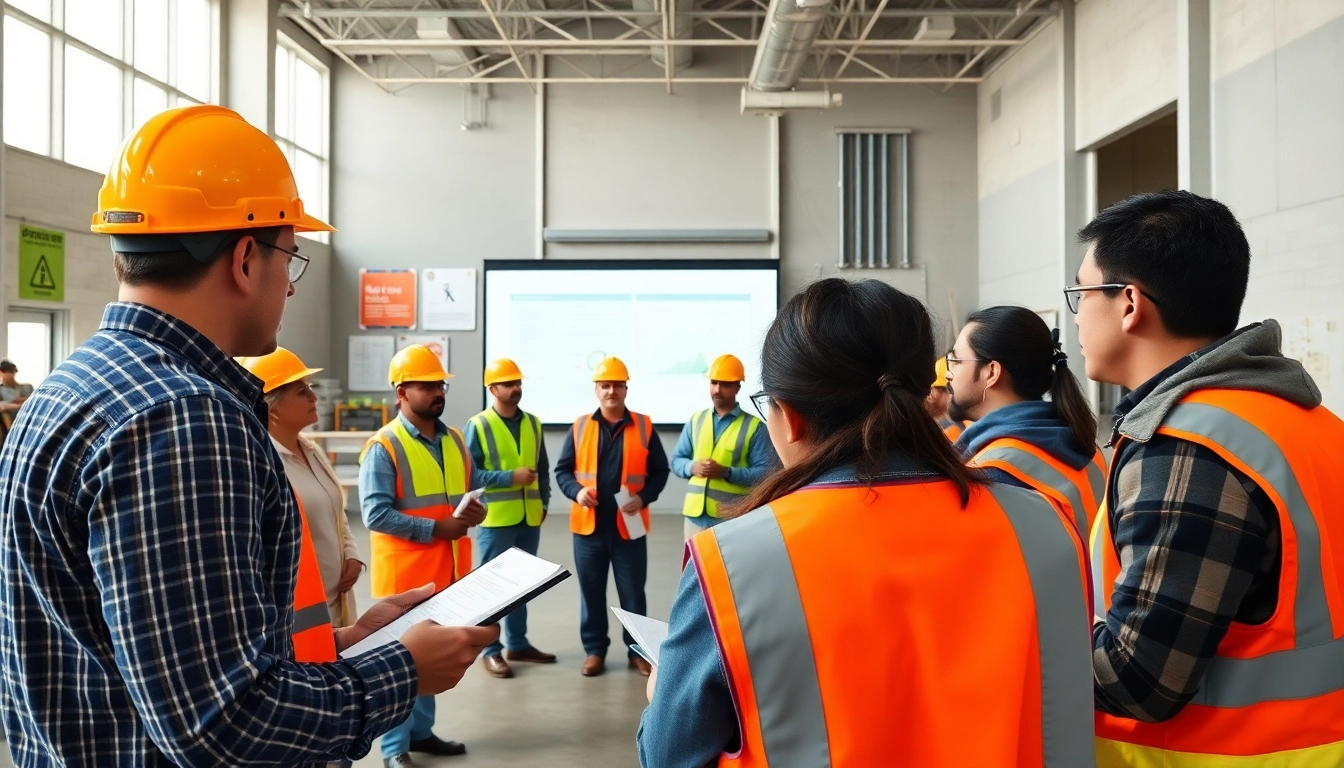
In-person training provides a hands-on experience, which can be invaluable in a physical field like construction. It allows trainers to demonstrate safety protocols actively, engage with participants, and facilitate discussions about real-life scenarios. This interpersonal interaction can enhance the learning experience and foster camaraderie among workers.
On the other hand, online training offers flexibility and convenience. It allows employees to train at their own pace, making it suitable for companies with diverse work schedules. Online courses can encompass multimedia elements, such as videos and interactive quizzes, which can be effective for reinforcing key concepts. Nevertheless, organizations must ensure that online training modules include adequate assessments to gauge comprehension and retention.
Specialized Training Courses
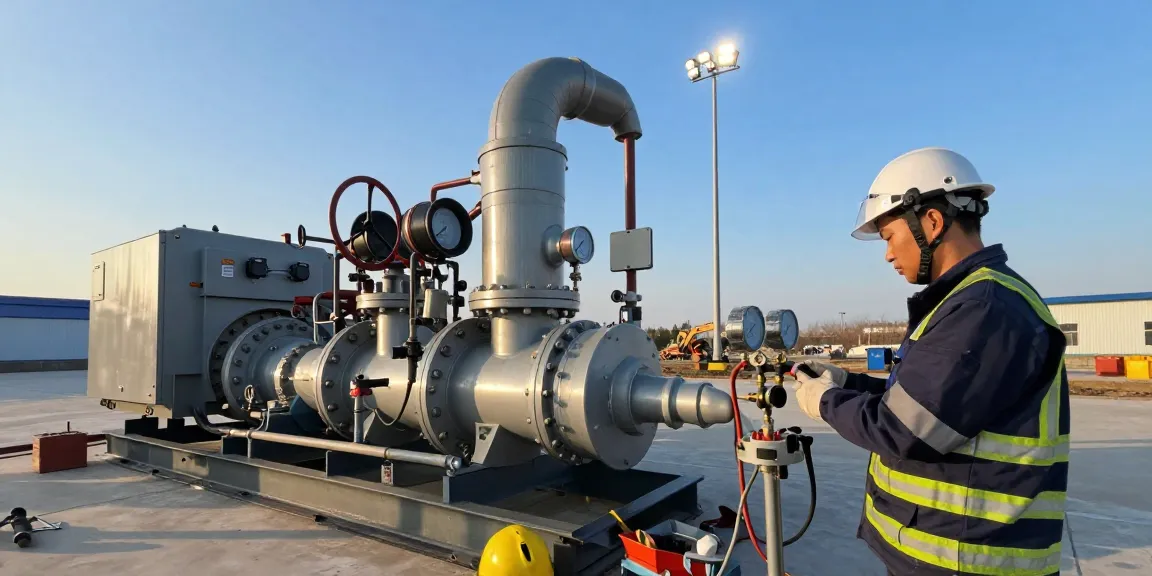
Beyond general safety training, specialized courses focus on unique areas of construction safety, such as scaffolding safety, confined space entry, and forklift operation. These courses are critical for ensuring that employees are well-versed in specific hazards and safety practices pertinent to their job roles.
For example, scaffolding training addresses structural integrity, load capacity, and the safe assembly and disassembly of scaffolding equipment. Similarly, confined space training provides vital information about atmospheric testing, emergency preparedness, and the use of appropriate rescue equipment.
Such specialized training is not only beneficial for compliance but also serves to empower workers with the specific knowledge they need to perform their duties safely and efficiently.
Tailored Training for Different Roles
The construction workforce is diverse, comprising various roles that necessitate tailored training approaches. From laborers to project managers, each group faces distinct challenges and responsibilities. Therefore, training modules should be customized to align with the specific roles and experiences of different employees.
For example, while general laborers might focus on basic safety protocols and hazard recognition, supervisors may require additional training on site management, safety compliance monitoring, and emergency response leadership. Similarly, specialized trades, such as electricians or welders, will benefit from courses that address the unique hazards and safety measures associated with their respective trades. Tailoring training ensures that all employees receive relevant information that prepares them effectively for their specific roles on-site.
Implementing Effective Training Strategies
Learning Materials and Resources
The quality of learning materials plays a crucial role in the effectiveness of construction safety training programs. High-quality resources, including handouts, videos, interactive modules, and reference materials, can engage and educate participants more effectively than traditional lectures alone.
Moreover, organizations should continually update these resources to reflect changes in regulations, technological advancements, and emerging safety trends. This commitment to providing current and relevant materials demonstrates a proactive stance on safety and enhances the overall training experience.
Engaging Training Techniques
Engagement is a critical factor in learning retention. Constructing an engaging training environment can involve a variety of methods, such as case studies, role-playing scenarios, group discussions, and hands-on demonstrations. Utilizing real-life situations allows workers to understand the practical application of safety protocols and encourages them to think critically about potential hazards. Gamification techniques, such as quizzes and competitions, can further motivate participants and promote friendly competition, enhancing engagement and knowledge retention.
Evaluating Training Effectiveness
Implementing construction safety training is not enough; organizations must also evaluate the effectiveness of their programs. Evaluating training can involve pre-and post-tests, observations, and feedback surveys. Key performance indicators (KPIs) such as incident rates, near misses, and employee feedback can provide valuable insights into the training program's impact.
Moreover, organizations should actively seek feedback from participants to identify areas for improvement. By continuously assessing and refining training efforts, companies can draw on insights from their workforce to enhance training efficacy and overall safety culture on-site.
Real-World Applications and Case Studies
Success Stories in Construction Safety
Numerous organizations have successfully implemented construction safety training programs, yielding impressive results in accident reduction and improved safety culture. For example, a mid-sized construction company reported a astonishing 40% drop in workplace injuries after introducing a comprehensive safety training program that incorporated hands-on workshops and safety drills. Such success stories illustrate the tangible benefits of investing in effective safety training, reminding construction firms of the potential for substantial positive change.
Avoiding Common Pitfalls
While safety training is undeniably beneficial, organizations may encounter pitfalls that hinder its effectiveness. Common pitfalls include inadequate training resources, failure to follow up on training sessions, and a lack of ongoing engagement with employees post-training. For instance, training sessions that do not integrate real-world applications may fail to resonate with workers. To address these issues, firms should prioritize ongoing education, conduct regular safety meetings, and integrate training into the company's overall culture.
Measuring Impact on Safety Culture
Measuring the impact of construction safety training extends beyond tracking incident rates. Companies should also evaluate overall safety culture within the organization. This can include assessing workers' attitudes toward safety protocols, their willingness to speak up about hazards, and their engagement in safety practices. Conducting regular safety climate surveys can provide valuable insight into employees' perceptions of safety and their willingness to comply with protocols. By prioritizing an open dialogue around safety, companies can foster a culture where safety is not merely a training program but a core value.
Future Trends in Construction Safety Training
Technology Integration in Training
As technology continues to evolve, so does its integration into construction safety training. Virtual reality (VR), augmented reality (AR), and mobile applications are being utilized to provide immersive training experiences that simulate real-world scenarios without the associated risks.
For instance, VR allows employees to navigate hazardous environments in a safe space, offering risk assessment lessons, while AR can overlay safety information during real-world tasks, assisting workers in making informed decisions as they work. Such technological advancements are expected to redefine traditional training methods, enhancing engagement and retention.
Continuous Learning and Development
The construction industry is characterized by rapid advancements in technology, processes, and regulations. Consequently, ongoing learning and development are critical for maintaining safety standards. Organizations must prioritize continuous professional development, incorporating refresher courses, workshops, and new training elements as the industry evolves. This commitment to learning ensures that employees remain knowledgeable about the latest safety practices and compliant with changing regulations.
Adapting to Changing Industry Standards
The landscape of construction safety is always changing. Adapting training programs to keep pace with evolving standards and regulations is paramount. Organizations should actively monitor industry trends, such as new safety legislation or emerging hazards, to ensure their training programs remain relevant and effective. Establishing partnerships with industry organizations can also provide access to resources and updates regarding best practices in safety training.
Frequently Asked Questions
What is construction safety training?
Construction safety training is a program designed to teach workers about safety practices, regulations, and hazard recognition in construction environments.
Who needs construction safety training?
All personnel involved in construction work, including laborers, supervisors, and site managers, should undergo construction safety training to ensure a safe work environment.
How often should construction safety training be conducted?
It is recommended to conduct construction safety training annually or whenever new processes, equipment, or safety regulations are introduced on-site.
Can construction safety training be done online?
Yes, online construction safety training programs are available and can be effective, especially for companies with remote teams or those requiring flexible scheduling.
What topics are covered in construction safety training?
Common topics include hazard recognition, proper use of personal protective equipment (PPE), equipment safety, and emergency response procedures.