
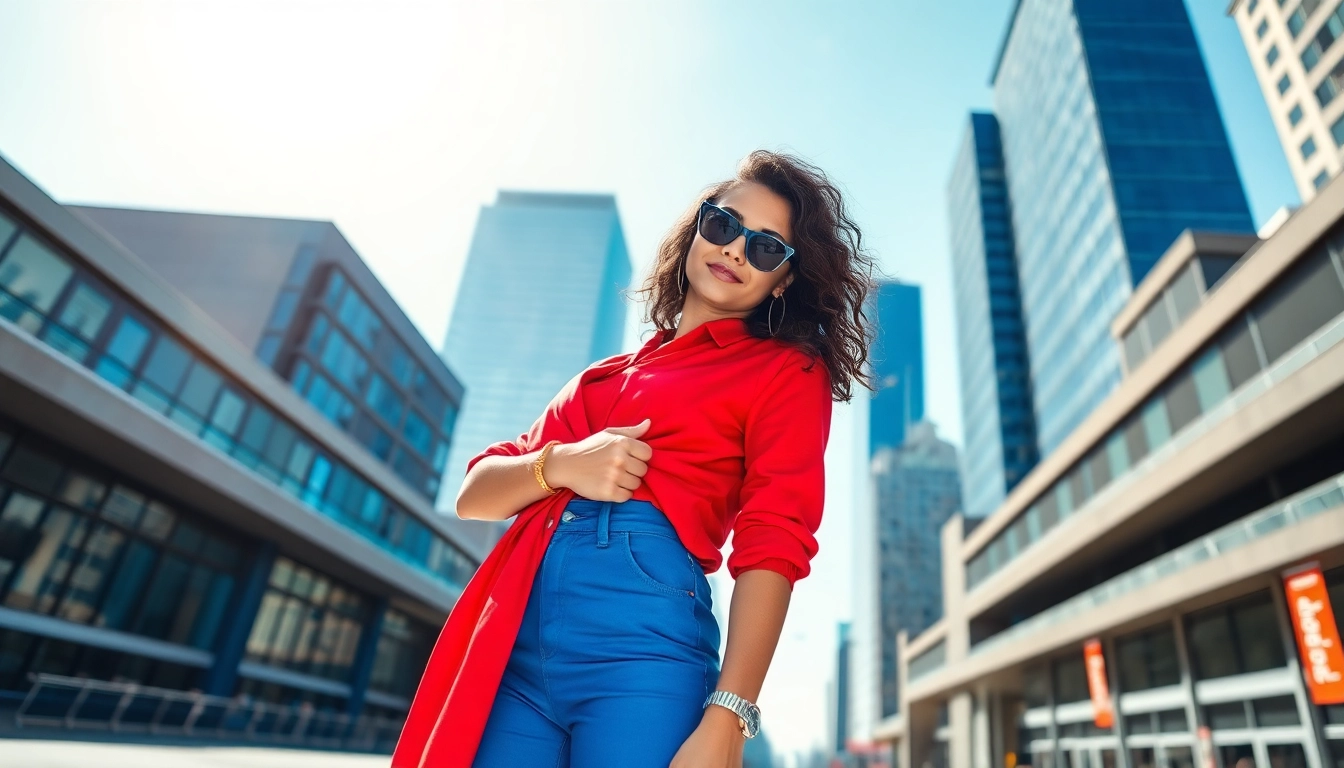
Understanding Fashion: The Essentials
Fashion is an ever-evolving tapestry of style, expression, and identity that goes beyond mere clothing. It represents cultural significance, social dynamics, and personal narratives. Engaging with Fashion means understanding its essence and how it shapes our world. In this article, we will explore the fundamentals of fashion, current trends, building a versatile wardrobe, sustainable choices, and tips for honing your fashion skills.
What is Fashion?
The term "fashion" derives from the Latin word "facere," which means "to make." Fashion encompasses the creation, distribution, and consumption of clothing, accessories, and cosmetics, all illustrating various cultural aesthetics. It's a way individuals communicate their identity, values, and moods, transcending boundaries like age, gender, and ethnicity.
Key Elements of Fashion
Understanding fashion involves recognizing its key elements, including:
- Style: Individual preferences and unique expressions influence style, often dictated by current trends.
- Color: The use of color can convey emotions, signify cultural meanings, and impact consumer behavior.
- Texture: Various fabrics and materials impact the feel and look of an outfit, defining its appeal.
- Silhouette: The shape of garments shapes perception; different silhouettes can evoke different eras and styles.
The Importance of Personal Style
Developing a personal style is crucial to self-expression. It allows individuals to forge identities and convey messages without words. To cultivate your style, consider aesthetics that resonate with your life experiences, environment, and values. Remember, personal style evolves, reflecting growth and change over time.
Current Fashion Trends to Watch
Seasonal Fashion Highlights
Fashion reflects the seasons, where trends shift with the changing weather, prompting specific styles to thrive:
- Spring: Bright colors, floral patterns, and lightweight fabrics rejuvenate wardrobes after winter.
- Summer: Swimwear, sundresses, and breathable materials dominate, complementing outdoor lifestyles.
- Autumn: Earthy tones, layering, and transitional pieces reflect the rich hues of fall.
- Winter: Focus on outerwear, knits, and warm fabrics, emphasizing functionality without sacrificing style.
Popular Fabrics and Patterns
Fabric innovation is central to contemporary fashion. Some popular choices and patterns include:
- Organic cotton: Gaining traction for its sustainability and comfort.
- Denim: Remains a staple, versatile across seasons.
- Floral patterns: Remain timeless, adding femininity and charm.
- Animal prints: A bold choice that reappears cyclically, offering a statement appeal.
Influential Fashion Icons
Fashion icons elevate trends, defining movements and inspiring followers. These individuals often embody the essence of style, serving as role models:
- Celebrities: Stars in entertainment often set trends through their private and public personas.
- Designers: Renowned designers influence textile technology and aesthetic direction.
- Social media influencers: Online platforms have catalyzed new voices, offering relatability and trends instantly.
How to Build a Versatile Wardrobe
Essential Pieces for Every Closet
A well-rounded wardrobe contains versatile pieces that create a foundation for multiple outfits. Basic essentials include:
- Classic white shirt: Timeless, can be dressed up or down.
- Tailored blazer: Elevates any outfit, suitable for various occasions.
- Quality jeans: A staple that pairs with nearly everything.
- Little black dress: Perfect for evening events or a casual day when styled correctly.
- Comfortable shoes: Both style and practicality are vital, consider loafers or stylish sneakers.
Mixing and Matching Outfits
Maximizing wardrobe potential involves understanding how to mix and match pieces effectively. Here are some strategies:
- Layering: Combine different textures and lengths to add complexity to an outfit.
- Color coordination: Use a color palette to ensure pieces work cohesively.
- Accessorizing: Elevate basic outfits with accessories like belts, scarves, or statement jewelry.
Accessorizing Like a Pro
Accessories can elevate any outfit from ordinary to extraordinary. Key items include:
- Sunglasses: Not just for sun protection, but a style essential.
- Bags: A statement piece can completely transform an outfit.
- Jewelry: Stackable rings and layered necklaces offer personalized flair.
- Hats: Functional and stylish, they can add a unique dimension to any look.
Sustainable Fashion Choices
Eco-Friendly Fabrics and Brands
With growing awareness of environmental issues, sustainable fashion is on the rise. Eco-friendly fabrics include:
- Bamboo: Sustainable, durable, and biodegradable.
- Hemp: A resource-efficient option that requires little water.
- Recycled materials: Brands increasingly utilize PET from plastic bottles in their offerings.
The Impact of Fast Fashion
Fast fashion, characterized by rapid production at a low cost, significantly impacts the environment. It encourages overconsumption, leading to waste and resource depletion. Consumers play a vital role in making informed choices, supporting brands that prioritize ethical production and sustainable practices.
Thrifting and Vintage Styles
Thrifting has gained popularity, merging unique style with environmental consciousness. Thrift stores offer a treasure trove of vintage options, allowing individuals to express themselves while minimizing waste. Vintage fashion often re-emerges, proving its timeless appeal.
Improving Your Fashion Skills
Tips for Shopping Smart
Shopping smart is essential for building a sustainable and stylish wardrobe. Consider the following tips:
- Create a list: Plan purchases to avoid impulse buys and ensure you get what you need.
- Set a budget: Financial constraints help prioritize desired items and avoid overspending.
- Research: Check for reviews, material quality, and brand ethics before making a purchase.
Finding the Right Fit
A perfect fit enhances any outfit, making it essential to know your measurements. Tailoring can also breathe new life into ill-fitting garments. Consider these elements:
- Understanding body shape: Recognize your figure to choose styles that flatter.
- Comfort: Ensure clothes feel good to wear; even the most stylish outfit falls flat if it's uncomfortable.
Learning from Fashion Shows
Fashion shows exhibit the latest designs and trends, providing inspiration. Observing these events can enhance your understanding of styling and new trends. Key aspects to note include:
- Color palettes and patterns: Identifying recurring trends can offer insights into the upcoming season.
- Styling techniques: Note how outfits are paired and accessorized for valuable tips.
Frequently Asked Questions
What is the definition of fashion?
Fashion is the creation and expression of clothing, accessories, and styles across cultures, representing social identity and personal aesthetics.
How can I develop a personal style?
Explore different styles, identify what resonates with you, and consciously select pieces that reflect your personality, values, and daily needs.
What are essential pieces for a versatile wardrobe?
Key items include a tailored blazer, classic white shirt, quality jeans, a little black dress, and comfortable shoes. These form a solid foundation.
What should I consider when shopping sustainably?
Look for eco-friendly fabrics, brands prioritizing ethical practices, and consider thrifting for unique vintage pieces that minimize environmental impact.
Why is it important to understand fashion trends?
Being aware of trends helps you make informed buying decisions, allowing your style to evolve while maintaining relevance and personal expression.