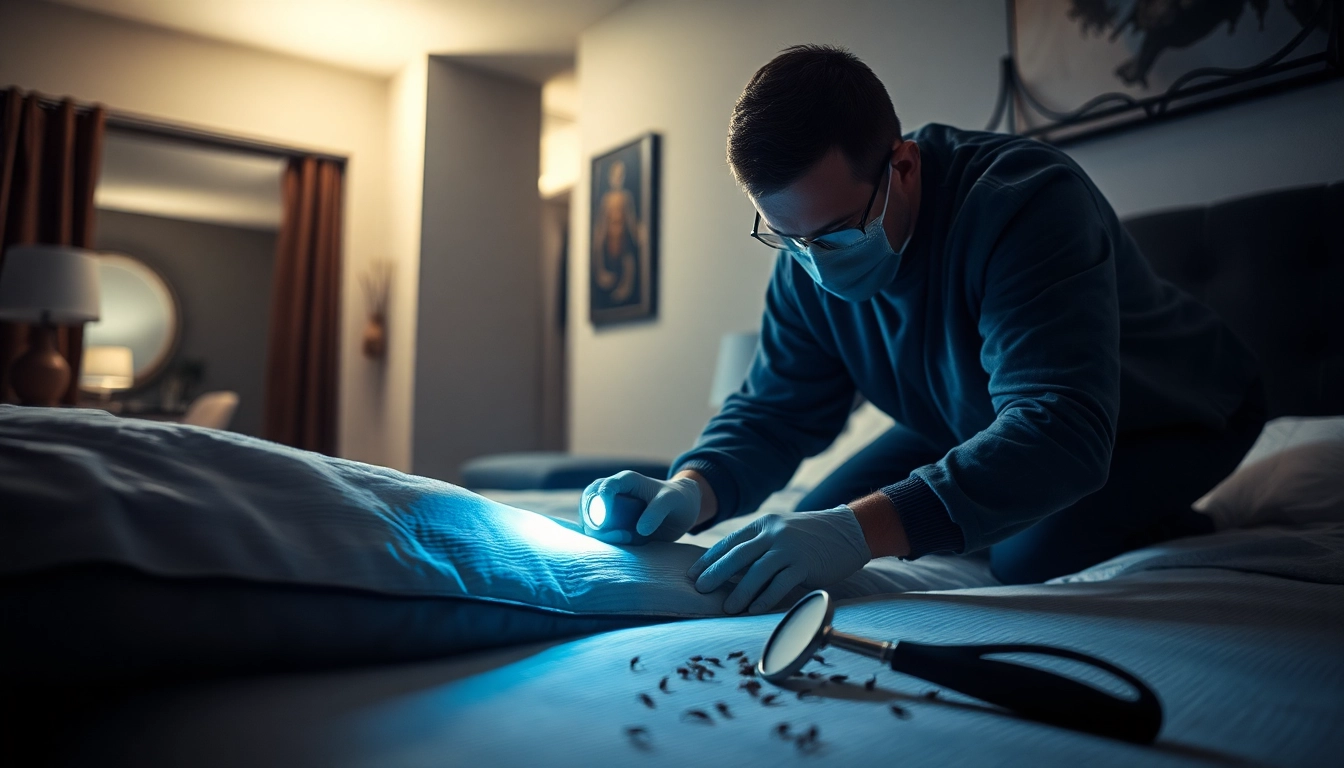
Understanding Bed Bug Infestations
What Are Bed Bugs?
Bed bugs are small, reddish-brown, wingless insects that feed on the blood of humans and animals. These nocturnal pests typically hide in bedding, furniture seams, and other unobtrusive locales during the day. Adult bed bugs can measure up to 5-7 mm, resembling apple seeds, and they undergo a metamorphosis that includes several stages from eggs to nymphs before maturing into adults. The females can lay hundreds of eggs in their lifetime, making infestations particularly challenging to manage.
Common Signs of an Infestation
Identifying a bed bug infestation early can save you time and money in extermination efforts. This section outlines some common signs:
- Live Bugs: Finding adult bed bugs is a clear indicator of an infestation.
- Exoskeletons: As bed bugs grow, they shed their skins, which can often be found in hiding spots.
- Fecal Spots: Rusty or dark spots on bedding or walls indicate bed bug droppings.
- Bite Marks: Small, red, itchy welts on the skin can result from bed bug bites, typically occurring during sleep.
- Musty Odor: An unusual musty scent can develop as the infestation grows.
Why Bed Bugs Are a Problem
Bed bugs have become a significant problem due to their resilience and the ease with which they can spread. They can hitch rides on clothing, luggage, and furniture, making them a widespread issue in hotels, dormitories, and homes. Aside from the discomfort of bites, bed bugs can lead to insomnia, anxiety, and a decline in overall well-being. This makes their eradication crucial not just for comfort but for health.
How a Bed Bug Exterminator Works
Inspection and Assessment Procedures
The first step in the pest control process involves a thorough inspection. Trained exterminators look for signs of bed bugs throughout the property and identify potential hiding places. This inclusive assessment helps to gauge the extent of the infestation and tailor a treatment plan.'
Methods and Tools Used
Exterminators utilize a combination of chemical and non-chemical methods to eliminate bed bugs:
- Heat Treatment: Bed bugs cannot survive temperatures above 118°F for more than 90 minutes. Specialized heaters are used to raise room temperatures, effectively killing bugs in all lifecycle stages.
- Pesticides: Selective insecticides may be applied to targeted areas. Exterminators prioritize eco-friendly and low-toxicity solutions that are safe for pets and children.
- Vacuuming: High-power vacuums can physically remove bed bugs and eggs from surfaces.
- Encasements: Mattress and box spring encasements can help trap remaining bugs and prevent new ones from taking refuge.
Aftercare and Prevention Strategies
Post-treatment precautions are vital to prevent reinfestation. Exterminators often educate homeowners about cleanliness practices, such as:
- Regular vacuuming and washing of bedding and linens in hot water.
- Home inspections every few months.
- Being cautious when traveling, especially when staying in hotels.
Choosing the Right Bed Bug Exterminator
Factors to Consider When Hiring
Selecting the right exterminator is crucial in eliminating bed bugs effectively. Consider the following:
- Experience: Ensure the exterminator has experience dealing with bed bug infestations specifically.
- Methods Used: Confirm that they utilize updated methods and tools that comply with safety standards.
- Reviews and Reputation: Look into customer reviews and ask for references to gauge satisfaction.
- Certifications: Exterminators should be licensed and certified by relevant pest control authorities.
Questions to Ask Your Exterminator
Pertain to specific inquiries when interviewing pest control companies:
- What methods do you use for bed bug extermination?
- Can you provide a detailed estimate for treatment and follow-up?
- How do you ensure the safety of my family and pets?
- What is your plan if the infestation persists post-treatment?
Understanding Pricing and Services
The cost of hiring a bed bug exterminator can vary significantly based on several factors, including the severity of the infestation, the size of the area to be treated, and the methods used. On average, homeowners might expect costs to range from $300 to over $2,500. Some exterminators offer guarantees or payment plans, which can alleviate potential financial burdens.
DIY vs. Professional Bed Bug Extermination
Common DIY Methods
Some homeowners attempt to rid their homes of bed bugs on their own. Common DIY methods include:
- Using Insecticides: Over-the-counter options might seem appealing but often lack efficacy.
- Extreme Heat: Using steamers to treat mattresses and furniture can eliminate bugs but often requires precision.
- Essential Oils: Some people use oils such as lavender or tea tree as natural repellents, but effectiveness can vary.
Benefits of Professional Services
While DIY methods might yield temporary relief, professional services offer comprehensive solutions, including:
- Thorough inspections to locate all bed bug hiding spots.
- Access to advanced equipment and pesticides not available to the general public.
- Expert knowledge in identifying and managing bed bug behavior for effective eradication.
When to Call for Help
If an infestation has spread beyond a minor problem, or if DIY methods are ineffective, it's crucial to contact a professional exterminator. Areas like hotels, multifamily dwellings, or homes with a high risk of exposure should not be treated lightly and need immediate attention from experts.
Frequently Asked Questions About Bed Bugs
What is the cost of a bed bug exterminator?
The average cost for bed bug extermination usually ranges from $200 to $2,500 based on infestation severity.
How long does the extermination process take?
Typically, a thorough bed bug extermination process can take a few hours to a full day, depending on the size of the area.
Are the chemicals used safe for pets and children?
Many exterminators use eco-friendly and low-toxicity solutions, but always confirm safety measures with your professional.
Can I stay in my home during the treatment?
In many cases, it is advisable to leave during treatment and return only after the space has been aired out.
How can I prevent a bed bug infestation?
Regular inspections, maintaining cleanliness, and cautious travel practices can effectively deter future infestations.