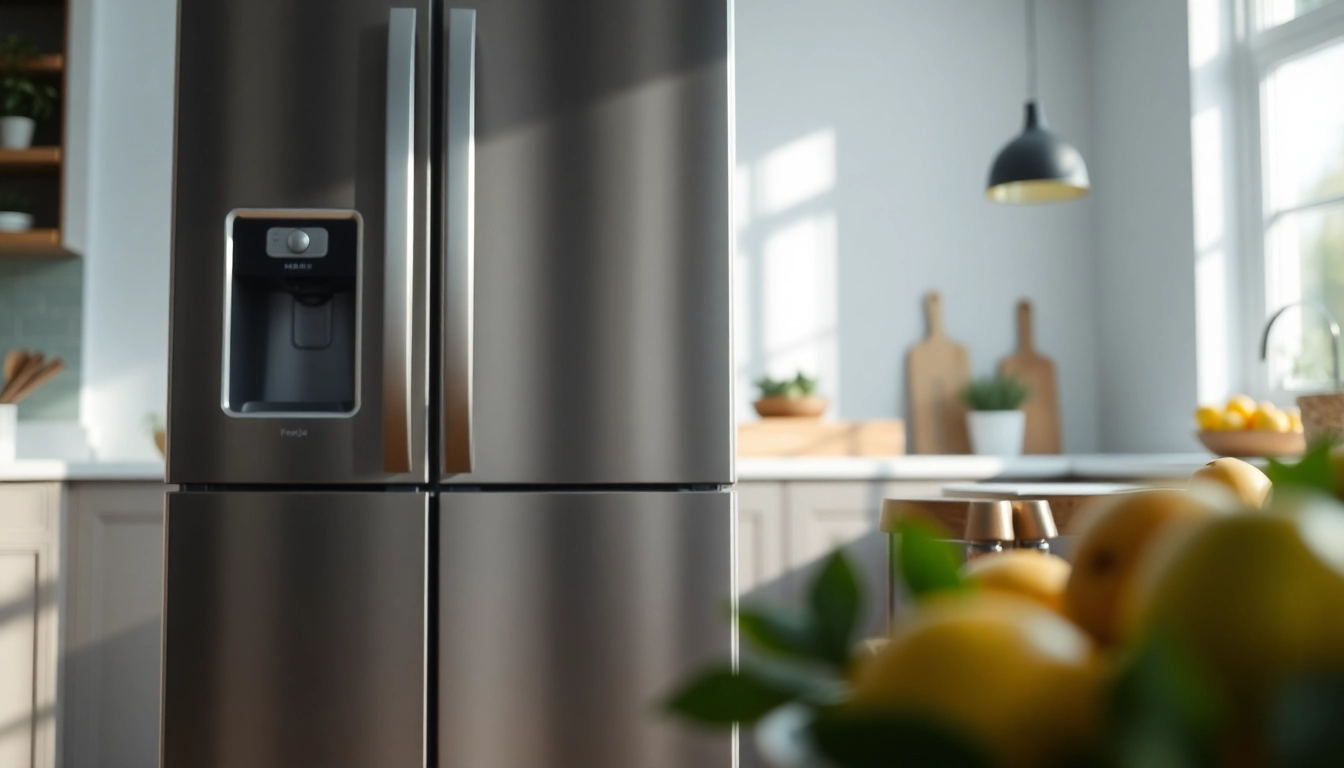
Understanding Different Types of Refrigerators
When it comes to finding the perfect Refrigerator for your home, understanding the different types available is crucial. Each type of refrigerator comes with its unique features, design, and functionality to cater to various household needs. Let's explore the types of refrigerators you might consider for your kitchen.
1. Top Freezer vs. Bottom Freezer Refrigerator
The top freezer refrigerator is a traditional design where the freezer is positioned above the refrigerator compartment. This classic layout provides ample storage space and easy access to frozen items without needing to bend down. On the other hand, the bottom freezer refrigerator positions the freezer below the refrigerator, offering convenient access to fresh items at eye level while requiring the user to bend to retrieve frozen goods.
Comparative Advantages:
- Top Freezer: More energy-efficient, often less expensive, easier to organize frozen items.
- Bottom Freezer: Better access to frequently used fresh food, improved visibility of produce.
2. Side-by-Side Refrigerator Features
Side-by-side refrigerators offer a modern look with a vertical split design, allowing easy access to frozen foods on one side and fresh foods on the other. This style typically includes features such as built-in water and ice dispensers, providing convenience for families or individuals who frequently consume these items.
Key Features Include:
- Adjustable shelves for customizable organization.
- Easy access to both freezing and cooling compartments.
- Energy-efficient options available with various energy ratings.
3. French Door Refrigerator Advantages
The French door refrigerator combines the benefits of both a bottom freezer and double doors for the fresh food compartment. Its sleek design allows for wide shelves, making it easier to store large items and a full view of your groceries. The freezer is usually spacious and often equipped with pull-out drawers for efficient organization.
Distinct Benefits Include:
- Increased storage capacity with flexible shelving.
- Modern aesthetic appeal, fitting well in various kitchen styles.
- Energy-efficient models available that do not compromise on performance.
Key Features to Consider When Buying a Refrigerator
Choosing the right refrigerator involves consideration of several vital factors. Understanding these key features can guide you toward making an informed purchasing decision.
1. Size and Capacity Requirements
Before selecting a refrigerator, it's paramount to measure the available space in your kitchen. Take into account door swing clearance, and ensure there's room for ventilation. Consider family size and typical food storage habits, as this will determine the refrigerator's capacity you need. Standard capacities can range from 14 to 30 cubic feet, making it easier to select a model that suits your lifestyle.
2. Energy Efficiency Ratings Explained
Energy efficiency is a critical factor in lowering utility bills and reducing environmental impact. Look for the Energy Star certification when shopping; Energy Star-rated refrigerators consume significantly less energy than their non-rated counterparts. Evaluating the energy rating can indicate long-term savings on electricity costs and the impact on your carbon footprint.
3. Smart Technology and Connectivity
Modern refrigerators often include smart technology, such as Wi-Fi connectivity, touch screens, and apps that facilitate monitoring food inventory or adjusting settings remotely. Smart refrigerators can help with meal planning by scanning items already inside and notifying you when items are running low. Consider these innovations as an integral part of how you manage your kitchen.
Common Refrigerator Problems and Solutions
Even the best refrigerators can encounter problems over time. Here are some common issues and their respective solutions to help you keep your appliance in top shape.
1. Insufficient Cooling Issues
If your fridge is not cooling effectively, it can lead to spoiled food. Check if the thermostat is set correctly, examine the door seals for leaks that may be letting cold air escape, and ensure that the vents are not blocked. If problems persist, consider consulting a technician to inspect the compressor or refrigerant levels.
2. Noisy Refrigerator Troubleshooting
Unexpected noises from your refrigerator can be a cause for concern. Common culprits include the compressor, fan issues, or even ice buildup. If you hear loud buzzing or grinding, it may indicate that the fan is obstructed or the compressor is struggling. Regular maintenance can reduce these noises; however, persistent sounds may indicate a need for professional help.
3. Defrosting and Ice Build-up Solutions
Excessive frost accumulation can hinder your fridge's performance. If frost or ice builds up, check if the defrost timer or heater is malfunctioning. Schedule regular manual defrosts if necessary, and keep the drain hole clear to prevent backups that could lead to water leaks.
Maintenance Tips to Extend Refrigerator Lifespan
Maintaining your refrigerator can significantly prolong its lifespan and enhance its efficiency. Here are some essentials to keep in mind for proper upkeep.
1. Regular Cleaning and Upkeep
Regular cleaning of both the exterior and interior is essential. Wipe down surfaces with a gentle cleaner, and wash shelves and bins periodically. This not only prevents bacteria buildup but also helps avoid odors. Cleaning the condenser coils every six months or so can also prevent high energy consumption.
2. Importance of Door Seal Integrity
The door seals are crucial for maintaining consistent temperatures. Inspect them regularly for signs of wear or damage, and clean them to ensure a tight seal. If your refrigerator isn’t closing properly, it can lead to significant energy loss and inefficiencies.
3. Seasonal Maintenance Checklist
During seasonal changes, check all major components of your refrigerator. Ensure the air vents are unblocked, the drain pans are emptied, and the lighting is functional. Documenting maintenance activities can help keep track of any repairs or issues that arise over time.
FAQs About Refrigerators
1. What size Refrigerator do I need for a family of four?
A family of four typically requires a refrigerator with a capacity of about 20 to 25 cubic feet, depending on your food storage habits and cooking style.
2. How can I reduce energy consumption of my Refrigerator?
To reduce energy consumption, ensure door seals are tight, clean condenser coils regularly, and consider getting an energy-efficient model that meets Energy Star guidelines.
3. What is the typical lifespan of a Refrigerator?
The average lifespan of a refrigerator ranges from 10 to 20 years, depending on maintenance and the specific model's quality and features.
4. How often should I clean my Refrigerator?
It's advisable to clean your refrigerator every few months, with a thorough cleaning at least twice a year to maintain hygiene and efficiency.
5. What to do if my Refrigerator makes loud noises?
If your refrigerator is noisy, check for obstructions in the fan, listen for any irregular sounds from the compressor, and ensure it is level to minimize vibrations causing noise.