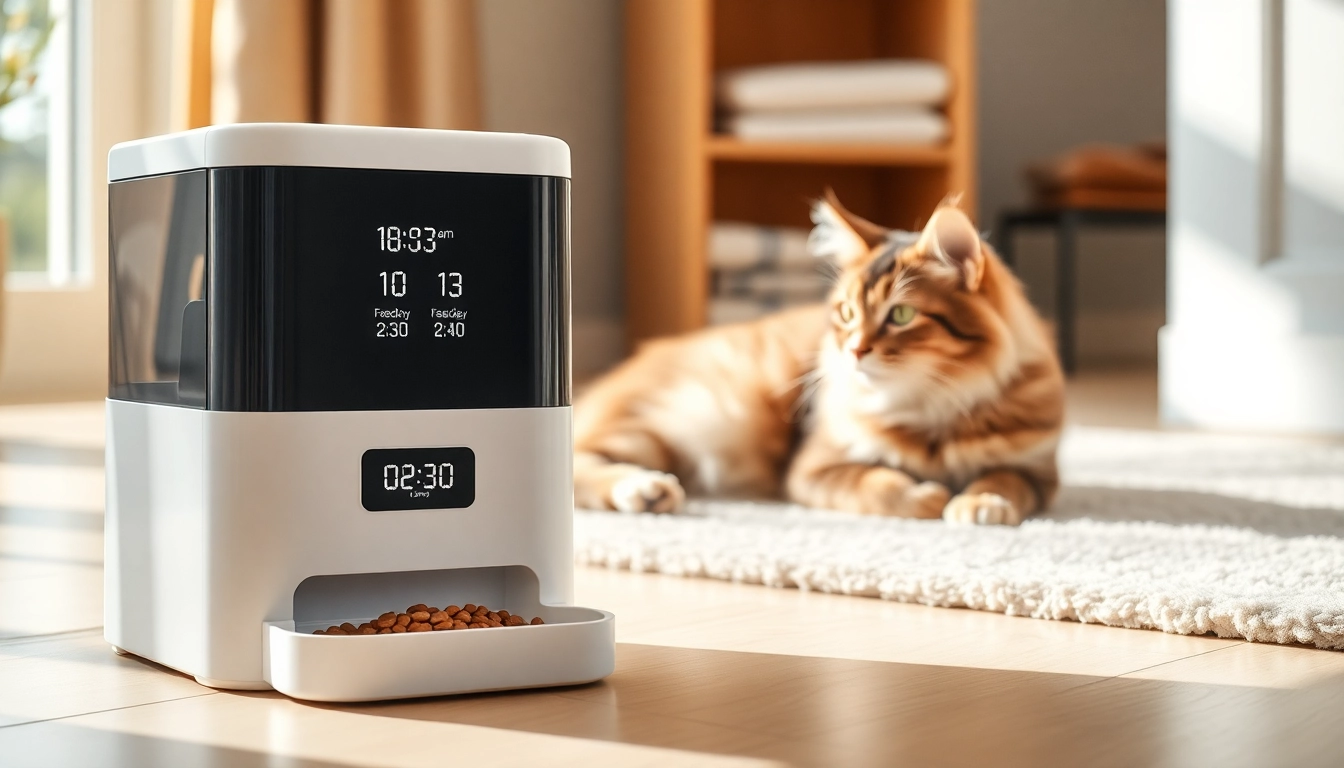
Understanding Automatic Cat Feeders
What is an Automatic Cat Feeder?
An automatic cat feeder is a gadget that dispenses food for your feline friend at scheduled times. Unlike traditional feeding methods, which require manual interaction, these feeders can manage your cat's meals, ensuring they receive the right portions consistently. This innovation is especially beneficial for cat owners who may have demanding schedules or who want to regulate their pet's feeding habits. Automatic cat feeders allow for customized meal portions, scheduled feeding times, and various functionalities that enhance both convenience and pet health.
How Does an Automatic Cat Feeder Work?
Automatic feeders generally come equipped with a timer and feeding mechanism that dispenses food onto a plate or bowl at predetermined times. Most models include:
- Programmable Timers: Users can set specific times for feeding.
- Portion Control: Cats receive the exact amount of food needed, reducing wastage and overeating.
- Food Chambers: These hold varying amounts of kibble or wet food, depending on the design.
- Power Supply: They can operate on batteries or plug into a wall socket.
Some advanced models even integrate connectivity options such as Wi-Fi or Bluetooth, enabling pet owners to adjust settings through a smartphone app.
Benefits of Using Automatic Cat Feeders
Using an automatic cat feeder comes with several notable advantages:
- Convenience: You can schedule meals even when you're not at home, ensuring your cat is fed at regular intervals.
- Health Management: Helps prevent overeating and promotes portion control, which is crucial for maintaining a healthy weight.
- Less Stress for Cats: Cats thrive on routine. Scheduled meal times can help manage their anxiety.
- Multiple Cat Households: With feeders designed to serve multiple cats, they can streamline mealtime without conflict.
Key Features to Look For
Programmable Feeding Schedules
When selecting an automatic cat feeder, one of the most critical features is its ability to program feeding schedules. Ideally, look for models that allow you to set multiple feeding times throughout the day. This is particularly useful for maintaining a balanced diet for your cat by distributing their food over several small meals rather than one large feeding. Advanced feeders might even provide app connectivity, allowing remote updates to your cat's feeding schedule from your smartphone.
Portion Control Mechanisms
Another essential feature is portion control. It's vital that the feeder dispenses the appropriate quantity of food based on your cat's dietary requirements. Look for models that allow you to customize the portion sizes, ensuring your feline friend receives the right amount every time—avoiding overfeeding or underfeeding, which can lead to health complications.
Safety and Material Considerations
The materials used in the construction of an automatic cat feeder are crucial for safety and durability. Ensure that the feeder is made from BPA-free plastics or stainless steel to avoid harmful substances leaching into your cat's food. Additionally, some feeders come with safety features like locked lids to prevent curious paws from accessing food supplies prematurely.
Popular Types of Automatic Cat Feeders
Gravity Feeders vs. Timer Feeders
When it comes to automatic cat feeders, there are primarily two types to consider: gravity feeders and timer feeders. Gravity feeders function by relying on gravity to dispense food from a reservoir into the bowl as it empties. This type is less reliable for portion control and can lead to overfeeding.
On the other hand, timer feeders allow precise control over meal times and portion sizes. They are ideal for disciplined feeding routines, preventing your cat from indulging at their own pace.
Smart Feeders with App Connectivity
Recent advancements in technology have led to the development of smart feeders that connect to your smartphone via Wi-Fi or Bluetooth. These feeders enable pet owners to monitor feeding habits, adjust meal portions, and schedule feedings from virtually anywhere. With certain models, you can even receive alerts if the feeder runs low on food or if your cat has not eaten as scheduled, providing a deeper insight into your pet's health and dietary patterns.
Feeders for Multiple Cats
If you have multiple cats, you’ll want to invest in a feeder that caters to more than one pet. Some automatic feeders have separate compartments for each cat, ensuring they all receive their designated food without interference from one another. Additionally, some models may feature pet recognition technology that ensures the right cat eats the correct food, which is particularly essential for households with cats on different diets.
Common Concerns and Solutions
Can Automatic Feeders Replace Manual Feeding?
While automatic feeders offer substantial convenience, they should not entirely replace manual feeding. Regular human interaction with your pets is vital not only for their social development but also for monitoring their health. It's important to check food levels, inspect the feeder for any malfunctions, and observe your cat's eating behavior to ensure they maintain a healthy appetite.
Are They Safe for Cats?
Safety is a primary concern for many pet owners when considering automatic feeders. Generally, they are safe, especially those made from high-quality materials and equipped with safety features. However, it is crucial to monitor your cat's interactions with the device to ensure they do not become overly reliant on it or try to manipulate the feeder. Regular cleaning is also imperative to prevent any build-up of bacteria or mold.
What to Do if the Feeder Malfunctions
Despite their convenience, automatic feeders can sometimes malfunction. Common issues may include jammed food dispensers, connectivity problems (for smart feeders), or power failures. If your feeder stops working, check the manual for troubleshooting steps and consider keeping a traditional feeding method as a backup plan for emergencies. Always keep an eye on your cat’s eating habits and be ready to step in manually if necessary.
Maintaining Your Automatic Cat Feeder
Cleaning and Care Tips
Proper maintenance of your automatic cat feeder is vital to ensure its longevity and functionality. Regularly clean the food compartments with warm, soapy water to eliminate bacteria and food residue. Many models are dishwasher safe, simplifying the cleaning process. Additionally, inspect the feeder for wear and tear regularly, making sure to replace any damaged components promptly.
Monitoring Your Cat’s Eating Habits
While automatic feeders regulate mealtimes, it is your responsibility to monitor your cat's eating habits. Keep an eye on how much food is being consumed and how often. If you notice any changes in your cat's appetite or health, consult your veterinarian. Many smart feeders track your cat's feeding statistics, providing invaluable data to discuss with your vet for optimal health management.
Signs of a Good Automatic Cat Feeder
A quality automatic cat feeder demonstrates several key signs to ensure reliability and efficiency:
- Consistent Performance: The feeder should dispense food accurately and at the right times.
- Durability: Constructed from high-quality materials, it should withstand daily use and potential misuse.
- User-Friendly Interface: Easy to program and operate, allowing you to set schedules or change portions with minimal hassle.
- Safety Features: It should include mechanisms preventing overfeeding and ensuring proper food storage.
In conclusion, automatic cat feeders provide practical solutions for managing your pet's dietary needs. They allow for a balanced approach to feeding while freeing up your time. Whether you are looking to prevent overeating or need a reliable system for multiple cats, enhancing your home life with a feeder can lead to a happier and healthier environment for your feline companions.