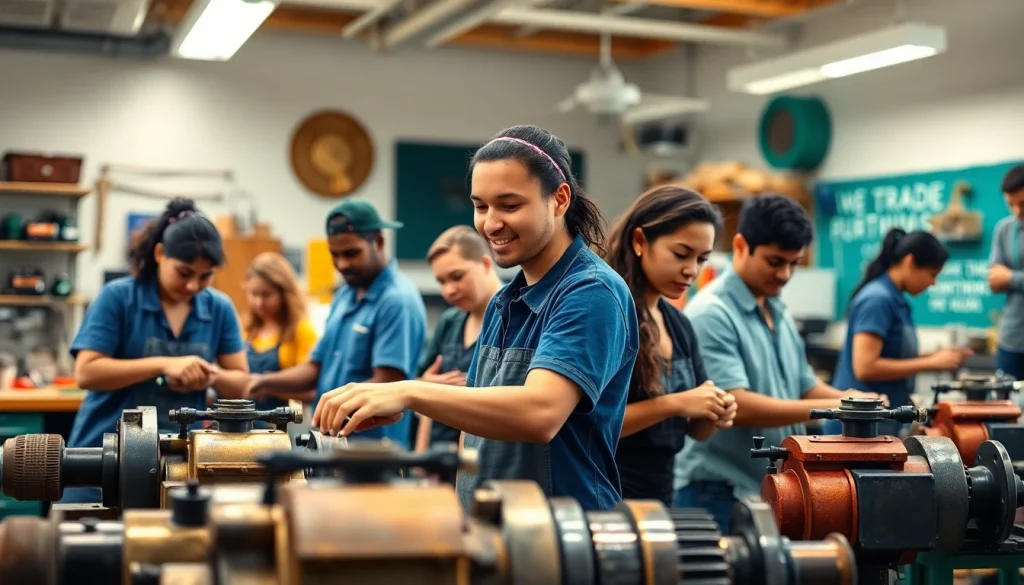
Understanding Trade Schools in Hawaii
As the job market continually evolves, many individuals are turning to alternative educational pathways that offer targeted training for specific careers. Among these options, trade schools in Hawaii provide practical solutions for those looking to enter the workforce quickly and effectively. Trade schools focus on vocational training that equips students with the skills needed in various trades, such as construction, healthcare, and technology.
What are Trade Schools?
Trade schools, also known as vocational or technical schools, are educational institutions that specialize in teaching practical skills and knowledge directly related to specific trades or occupations. Unlike traditional colleges, which may offer a broad range of liberal arts and sciences, trade schools focus primarily on providing the technical skills required for particular careers.
Programs can be completed in a matter of months to a few years, depending on the field of study. The hands-on training often occurs in real-world settings, under the guidance of experienced instructors. This direct approach to learning helps students transition smoothly from the classroom to the workplace.
Benefits of Attending Trade Schools
There are several compelling advantages to attending a trade school, particularly in Hawaii. These include:
- Focused Curriculum: Trade schools offer specialized training designed to prepare students for specific careers, minimizing time spent on unrelated coursework.
- Shorter Program Duration: Many trade programs can be completed in a year or less, allowing students to enter the workforce quickly.
- Job Readiness: Emphasis on hands-on learning ensures graduates possess practical skills and experience, making them more attractive to employers.
- Cost-Effective Education: Trade schools may offer lower tuition rates compared to four-year colleges, reducing student debt.
- High Demand Job Opportunities: Many trade occupations experience consistent demand, providing strong job security for graduates.
Common Programs Offered
The range of programs offered by trade schools in Hawaii is diverse, addressing the needs of various industries. Common disciplines include:
- HVAC Technician: Training in installing and maintaining heating, ventilation, and air conditioning systems.
- Electrical Technology: Certification in electrical systems and installation.
- Medical Assisting: Skills in administrative and clinical tasks within healthcare facilities.
- Construction Trades: Courses covering carpentry, plumbing, and masonry.
- Culinary Arts: Comprehensive training for individuals interested in the food service industry.
Choosing the Right Trade School
When considering trade schools in Hawaii, it is essential to evaluate various factors to find the right fit for your educational and career goals. Below are key elements to consider:
Factors to Consider
Before enrolling in a trade school, consider the following:
- Program Relevance: Ensure the school offers programs that align with your career interests.
- Instructor Experience: Research the qualifications and industry experience of the instructors.
- Facilities and Equipment: Visit the school to check the condition of equipment and facilities used for training.
- Job Placement Rate: High job placement rates can indicate the effectiveness of the program.
Researching Schools
Take the time to research potential trade schools extensively. Here are methods to conduct your research:
- Online Reviews: Explore forums and review sites for feedback from current and former students.
- Accreditation Status: Verify that the school is accredited by a recognized body, ensuring a quality education.
- School Visits: Schedule visits to meet staff and students, and gauge the school culture.
- Information Sessions: Attend open houses or informational meetings for a comprehensive overview of the programs.
Accreditation and Recognition
Ensuring that a trade school is accredited is crucial for receiving quality education and improving employment prospects post-graduation. Accreditation verifies that an institution meets specific educational standards. In Hawaii, it is essential to check if the school is accredited by agencies recognized by the U.S. Department of Education, such as the Accrediting Commission for Community and Junior Colleges (ACCJC).
Cost and Financial Aid Options
Understanding the financial commitment required to attend trade schools in Hawaii is critical for prospective students. Below is an overview of costs and available financial aid options.
Tuition Fees Overview
Tuition fees for trade schools can vary widely based on the program and institution. On average, students can expect to pay anywhere from $5,000 to $30,000 for their training. Additional costs may include books, supplies, and equipment fees. It is advisable to obtain a detailed breakdown of expenses before enrollment.
Applying for Financial Aid
Many trade schools offer financial aid options to help students manage tuition costs. Applying for federal aid via the Free Application for Federal Student Aid (FAFSA) can unlock grants, loans, and work-study opportunities. Understanding the different financial aid programs available can significantly reduce the burden of tuition costs.
Scholarships and Grants
Numerous organizations and institutions offer scholarships and grants dedicated to students pursuing vocational education. Explore local community foundations or national organizations focused on specific trades. Researching and applying for these scholarships can aid in covering tuition costs, making education more accessible.
Career Opportunities After Trade School
Completing a trade school program opens the door to numerous career opportunities. As Hawaii’s job market grows, certain careers show promising demand.
High-Demand Careers in Hawaii
Some of the high-demand careers available to graduates of trade schools include:
- Electricians: Demand is high for skilled electricians across various industries.
- Healthcare Assistants: Medical field jobs continue to rise, with a need for certified medical assistants.
- Construction Workers: The ongoing development projects in Hawaii lead to a consistent need for skilled tradespeople.
- Culinary Professionals: The food and hospitality industry requires trained chefs and kitchen staff.
Job Placement Services
Many trade schools provide job placement services to assist graduates in finding employment. These services often include resume writing assistance, interview preparation, and networking opportunities with local employers. Actively participating in these services can significantly enhance job search success.
Networking Opportunities
Building a professional network is important in any trade. Trade schools often host events, workshops, and job fairs, allowing students to connect with industry professionals. Students should take advantage of these networking opportunities for mentorship and potential job leads.
FAQs About Trade Schools in Hawaii
What programs are most popular?
The most popular programs in Hawaii include medical assisting, HVAC technology, cosmetology, culinary arts, and electrical training. These fields often demonstrate high demand for skilled professionals.
How long do trade programs take?
The duration of trade programs typically ranges from a few months to two years, depending on the specific field and level of training required. Most can be completed relatively quickly compared to traditional degrees.
Can I work while attending school?
Many students do work while attending trade school. Flexible class schedules and part-time programs are often available, allowing students to balance work and education.
Are trade schools worth the investment?
Yes, trade schools represent a practical investment. They offer shorter training times, focused skills, and generally higher job placement rates, allowing students to enter the workforce more quickly and effectively.
How to apply for trade schools?
To apply for trade schools, research preferred programs, gather necessary documentation (e.g., transcripts, ID), and complete the application process outlined by the chosen institution. Be sure to inquire about financial aid opportunities as well.