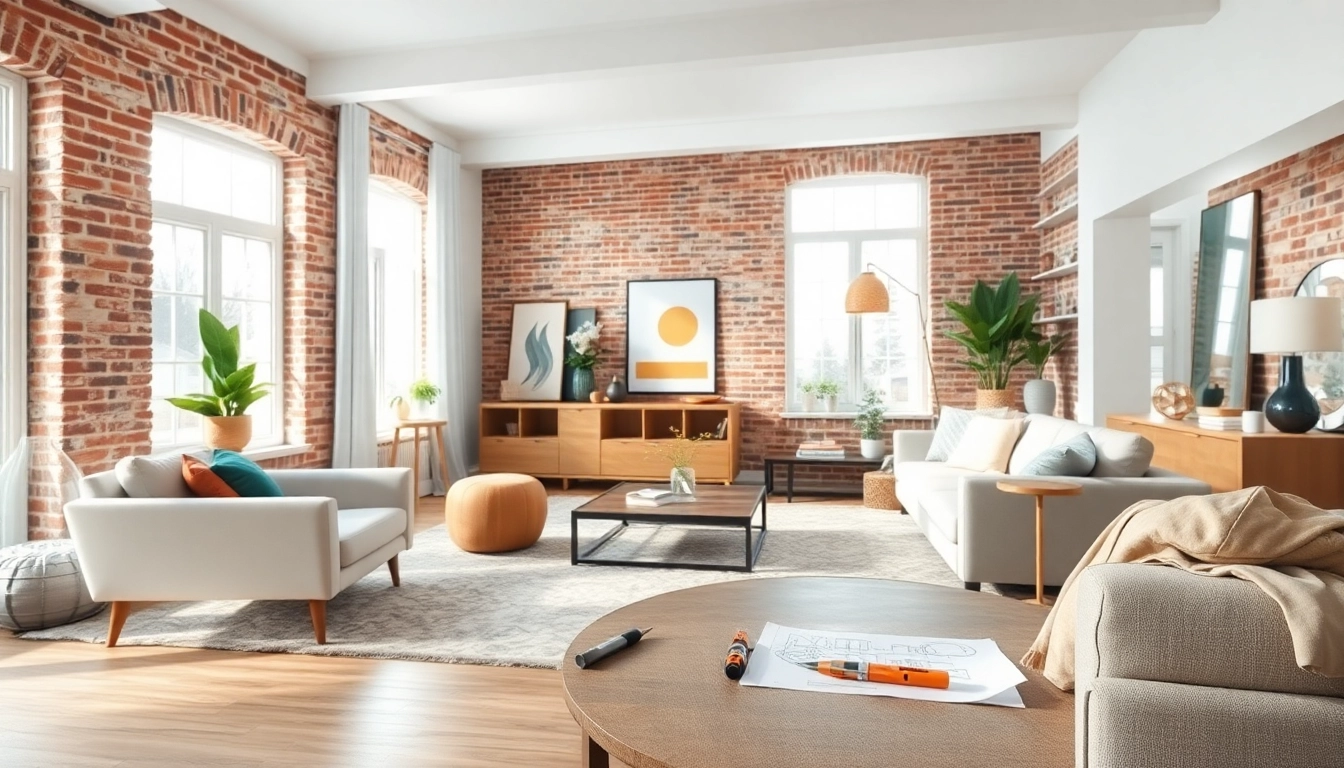
Understanding Home Renovation Basics
What Is Home Renovation?
Home renovation refers to the process of improving a broken, damaged, or outdated structure. This can involve anything from simple upgrades like painting and redecorating to major undertakings such as altering the layout and structure of a home. While some might view home renovation as purely aesthetic improvements, it is often a comprehensive overhaul that enhances the functionality and value of a property. Renovation initiatives can dramatically alter living spaces to meet modern standards and technologies, adapting them to fit evolving family needs or personal tastes. Home renovation projects can be as simple as changing a bathroom faucet or as complex as adding an entire wing to a home.
Why Consider Home Renovation?
Deciding to embark on a home renovation can stem from various motivations. The most common reasons include:
- Increasing Home Value: Renovations can significantly boost a property’s market value. Well-planned improvements can lead to a higher resale price, making it a worthwhile investment.
- Personalization: Homeowners often renovate to reflect their personal style or accommodate lifestyle changes. This might involve creating open spaces for family gatherings or designing home offices for remote work.
- Improved Functionality: A renovation can solve issues pertaining to functionality—like expanding a kitchen or adding more storage—making daily living more efficient and enjoyable.
- Energy Efficiency: Modern renovations typically focus on energy-efficient materials and systems, leading to lower utility bills and enhanced comfort throughout the home.
- Maintenance and Safety: Updating old wiring, plumbing, or structural elements improves safety and reduces future repair bills.
Key Types of Home Renovations
Home renovations can be categorized into several types, each serving different needs and preferences:
- Kitchens: Kitchen remodels are among the most popular renovations, often yielding a high return on investment. Updates can include new cabinetry, countertops, and appliances.
- Bathrooms: Upgrading bathrooms can enhance comfort and aesthetics. This often involves installing modern fixtures, tiles, and upgrading plumbing.
- Additions: Expanding the home’s footprint to include new rooms or features such as a sunroom or garage.
- Whole House Renovations: This encompasses a comprehensive overhaul of the entire property, ideal for older homes needing significant upgrades.
- Exterior Improvements: These often focus on curb appeal, including landscaping, siding updates, and roofing.
Planning Your Home Renovation Project
Setting a Realistic Budget
Establishing a budget is crucial to a successful home renovation. Budgets should reflect the scope of the project and include a buffer for unexpected expenses, which commonly arise during renovations. Here are steps to create a feasible budget:
- Research Costs: Gather estimates on materials and labor for similar projects.
- Prioritize Needs vs. Wants: Identify essential updates compared to optional upgrades.
- Incorporate a Contingency Fund: Aim for 10-20% of the initial budget to cover unforeseen circumstances.
- Monitor Spending: Track expenditures throughout the renovation to prevent overspending.
Choosing the Right Time for Renovation
Timing can significantly impact both the success of a renovation project and its cost. Consider the following factors when planning:
- Season: Many homeowners prefer to renovate during spring or summer, avoiding the potential for weather-related delays.
- Market Conditions: Researching local market trends can help determine the best time for renovations that will result in increased home value.
- Personal Life Events: Consider major life events like adding a family member or an empty nest—each may influence the scope and timing of a renovation.
Gathering Inspiration and Ideas
Collecting inspiration is an essential part of the planning phase. Here are some ways to gather ideas:
- Online Resources: Websites like Pinterest, Houzz, and various home improvement blogs offer countless images and articles that can inspire design ideas.
- Magazines and Books: Traditional media can still offer great design inspiration, particularly for the latest trends in home décor and renovation.
- Showrooms: Visiting local home improvement stores or design centers allows homeowners to see products and materials in person.
- Expert Consultations: Engaging with architects or design professionals can provide tailored insights and help refine your vision.
Executing Your Home Renovation
Hiring Professionals vs. DIY
Deciding between hiring professionals and undertaking a DIY project can have significant implications for quality and time. Here are some factors to consider:
- Complexity of the Project: Some renovations, such as electrical or plumbing work, typically require licensed professionals to ensure safety and compliance.
- Skill Level: If you have previous experience with renovations, you may feel confident handling simpler projects. However, lack of experience can lead to costly mistakes.
- Time Constraints: Professionals often have the tools and experience to complete jobs faster than someone unfamiliar with the process.
- Costs: Weigh the potential savings of DIY against the time spent, including any tools or materials that may require purchasing.
Understanding Permits and Regulations
Many types of home renovations require permits and adherence to local zoning laws and regulations. Here’s how to navigate these requirements:
- Research Local Laws: Check with your city or county about regulations that pertain to your project. Building departments often provide guidelines specific to your region.
- Application for Permits: Submit necessary documents and plans for approval before proceeding with significant renovations.
- Inspections: Be prepared for inspections throughout the renovation process as mandated by local authorities to ensure compliance with safety standards.
Managing the Renovation Timeline
Creating a timeline helps ensure a smooth renovation process. Consider these steps to manage time effectively:
- Set Milestones: Divide the project into various phases and establish deadlines for each.
- Communicate with Contractors: Regular updates with hired professionals can illuminate any potential delays.
- Flexibility: Be prepared for adjustments to your timeline; delays can occur due to weather, material availability, or labor shortages.
Home Renovation Design Trends
Popular Styles and Aesthetics
The world of interior design is always evolving, and staying attuned to current trends can enhance your renovation. Here are a few popular styles:
- Minimalism: This style embraces simplicity with clean lines, neutral colors, and a focus on functionality.
- Industrial: Characterized by raw materials such as exposed brick and metal finishes, this urban aesthetic has gained traction in many homes.
- Farmhouse: A blend of rustic and modern elements, the farmhouse style offers warmth, charm, and a welcoming atmosphere.
- Traditional: This timeless style features classic designs, elegant furnishings, and rich colors, providing a sense of nostalgia.
Incorporating Sustainable Practices
Homeowners are increasingly leaning towards sustainable construction practices, which not only reduce environmental impact but can also save money in the long run. Consider these sustainable practices:
- Energy-Efficient Appliances: Use appliances that have high energy ratings to reduce energy consumption.
- Reclaimed Materials: Opt for recycled products and materials that reduce the need for new resources.
- Smart Home Technology: Implementing smart systems can enhance energy efficiency, including smart thermostats and lighting.
- Efficient Insulation: Enhancing insulation improves energy efficiency and comfort of a home.
Maximizing Functionality in Design
When designing renovated spaces, it is vital to maximize functionality. Here are several strategies:
- Open Floor Plans: Removing walls can create a sense of space and encourage social interaction.
- Multipurpose Spaces: Designing rooms that serve multiple functions, such as home offices doubling as guest rooms, can optimize space.
- Storage Solutions: Incorporate built-in cabinets and vertical storage to keep homes organized and decluttered.
Measuring Success in Home Renovation
Evaluating Your Renovation Outcome
To determine the success of your renovation, reflect on established goals and measure them against the final outcome. Consider these questions:
- Did the renovations align with your original vision and goals?
- How well did the new function meet your needs and expectations?
- Are there aspects that did not turn out as planned? If so, why?
Enhancing Home Value through Renovation
Ultimately, successful home renovations should increase property value. The key to maximizing this increase includes focusing on high-demand renovations, such as kitchen and bathroom updates, which often yield the highest returns. Market research can help identify what buyers in your area value most.
Continued Maintenance After Renovation
Renovation is just the beginning; post-renovation maintenance is crucial for preserving the improvements made. Regular inspections and timely repairs will prolong the life of fixtures and renovations, ensuring your investment remains in excellent condition and continues to add value to your home.