
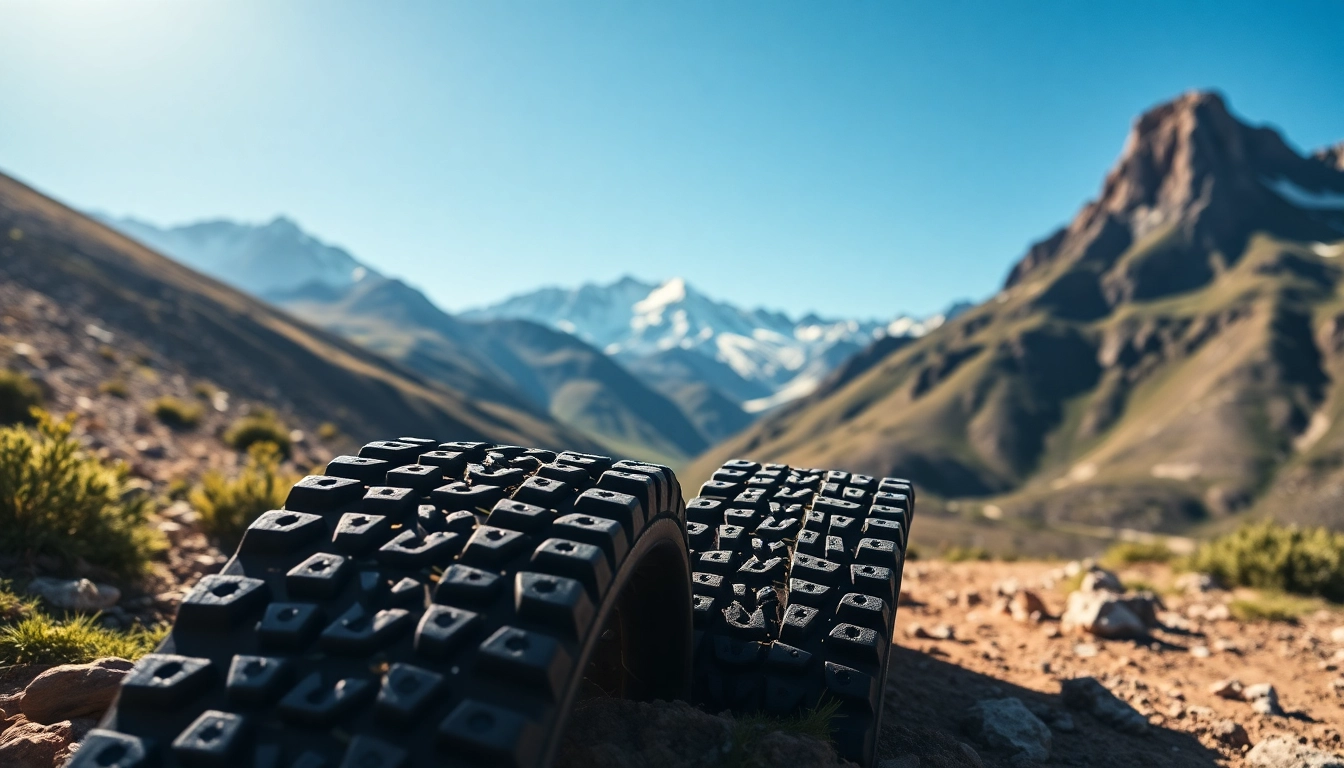
Understanding Traction Boards: The Essential Tool for Off-Roading
Off-roading is an exhilarating adventure, offering a unique blend of thrill and exploration. However, as any seasoned off-roader knows, the unpredictability of trail conditions means that preparation is key to a successful outing. One essential tool that can make a significant difference is the Traction Boards. These devices are invaluable for enhancing traction and ensuring you can navigate through challenging terrains with ease. In this comprehensive guide, we will explore everything there is to know about traction boards—from their definition to proper usage and maintenance.
What are Traction Boards?
Traction boards are sturdy, board-like devices designed to provide extra grip for vehicles stuck in sand, mud, or snow. They are typically made from durable materials such as high-density polyethylene or rubber, which ensure they can withstand significant weight and pressure. Traction boards are often textured on one side to help increase friction when placed under wheels. The purpose of these boards is to create a solid surface for the tires to grip, thus allowing vehicles to be freed from difficult situations with minimal effort.
Key Features of Effective Traction Boards
Choosing the right traction board can have a direct impact on its effectiveness. Here are a few key features to consider:
- Material Quality: High-quality, durable materials can withstand the elements and provide reliable performance.
- Weight Capacity: Ensure the boards can support the weight of your vehicle without bending or breaking.
- Size: A suitable size ensures easy storage in your vehicle while still providing the surface area you need.
- Built-in Handles: Handles make it easier to maneuver and position the boards when needed.
- Textured Surface: This feature enhances grip, allowing for better results when trying to regain traction.
Why You Need Traction Boards for Off-Roading
The unpredictable nature of off-road adventures is one of the primary reasons you should consider investing in traction boards. Their benefits include:
- Quick Recovery: Traction boards allow for a quick escape from soft or slippery surfaces without requiring external assistance.
- Versatility: They are suitable for various terrains, including sand, mud, and ice.
- Compact Storage: Most traction boards are designed for easy storage, making them a practical addition to your gear.
- Cost-Efficiency: Investing in traction boards can save the cost and hassle of off-road recovery services.
Choosing the Right Traction Boards for Your Vehicle
When selecting traction boards, it is essential to consider several factors to find the pair that best fits your needs.
Material Considerations
The material of traction boards plays a significant role in their performance. Most traction boards are made from high-density polyethylene or rubber. These materials offer durability and resistance to wear and tear, essential for withstanding rigorous off-road conditions. Polyethylene boards tend to be lightweight and easy to handle, while rubber boards often provide enhanced flexibility and grip.
Size and Weight Factors
Size also matters when choosing traction boards. Boards that are too small may not provide adequate surface area for larger wheels, while oversized boards can be cumbersome to store and handle. Measure the dimensions of your vehicle’s tires and ensure that the traction boards you choose can accommodate them comfortably. A standard size for most vehicles is usually around 46 inches long, but it’s essential to confirm that your choice can be stored efficiently in your vehicle’s cargo area.
Different Types of Traction Boards Available
Traction boards come in various designs, each tailored to specific off-roading conditions. Some common types include:
- Standard Traction Boards: Basic models designed for general use in moderate off-road conditions.
- Heavy-Duty Boards: Built for extreme conditions and heavier vehicles, these boards are reinforced for increased durability.
- Stackable Boards: These models can interlock or stack for easy storage and enhanced traction when needed.
- Multi-Functional Boards: Some boards have additional features such as shovels or recovery straps built-in, maximizing their utility.
Proper Usage of Traction Boards in Off-Road Situations
Understanding how to properly utilize traction boards is critical for their effectiveness in off-road recovery.
Preparing Your Vehicle
Before deploying traction boards, ensure that your vehicle is in a stable position. If possible, place your vehicle in neutral, and check that your wheels are as straight as possible. This positioning will help ensure that the boards can do their job effectively when placed under the tires.
Techniques for Effective Placement
For optimal results, follow these steps when placing your traction boards:
- Approach the area where the vehicle is stuck carefully.
- Place the traction boards directly in front of or behind the drive wheels (for forward or reverse motion, respectively).
- Ensure that the textured side is facing upward to maximize grip.
- Once in place, gradually accelerate to avoid spinning tires, which could dig you in deeper.
Safety Tips While Using Traction Boards
Safety should always be a priority during off-roading. Keep these safety tips in mind:
- Always assess the terrain before attempting recovery.
- Do not stand directly behind or in front of the vehicle when using traction boards.
- Ensure that all passengers are inside the vehicle when attempting to gain traction.
- If a situation is dangerous or seems insurmountable, do not hesitate to call for professional help.
Maintenance and Care for Traction Boards
Proper maintenance will prolong the lifespan of your traction boards, ensuring they are ready for any adventure.
Cleaning Techniques for Longevity
After an off-roading adventure, clean your traction boards to remove dirt, mud, and debris. Use water and a mild detergent, scrubbing gently with a soft brush or cloth. Allow them to dry completely before storing to prevent mold or mildew.
Storage Solutions
Store your traction boards in a cool, dry place, preferably in a shaded area within your vehicle. Many boards come with storage bags, which provide additional protection from UV rays and physical damage. Always ensure they are easily accessible in case of emergency.
Repairing Damaged Traction Boards
Check your boards regularly for signs of damage, such as cracks or warping. Minor issues can typically be repaired with adhesive for plastic materials. However, if a board is significantly damaged, it’s vital to replace it to ensure safety during use.
Frequently Asked Questions about Traction Boards
What situations are traction boards most useful?
Traction boards are particularly useful in slippery conditions such as mud, sand, or snow. They provide a surface for tires to grip, helping vehicles regain traction efficiently.
How do I choose the right size for my vehicle?
Measure your vehicle’s tire size and choose traction boards that can adequately support it. Standard sizes of around 46 inches work for most vehicles.
Can traction boards break easily?
When crafted from high-quality materials, traction boards are designed to endure heavy weight and pressure. However, they can crack if exposed to extreme temperatures or heavy impacts without proper care.
What materials are best for traction boards?
High-density polyethylene and rubber are preferred materials, offering durability and resilience against harsh conditions and wear.
How should I store my traction boards?
Store traction boards in a cool, dry place, preferably in UV-protected covers. Ensure they are easily accessible in your vehicle in case of emergencies.