Understanding Historic Home Addition
Historic homes hold a unique charm, with their intricate designs and rich histories. The idea of enhancing such a property through a Historic Home Addition is appealing for many homeowners. However, what does a historic home addition entail, and how can it be successfully achieved? This comprehensive guide explores the definition, benefits, hurdles, and design principles necessary for executing a respectful and stylish addition to a historic property.
What Constitutes a Historic Home Addition?
A historic home addition is an extension or addition to a structure that has historical significance. This can include homes designated as historic landmarks, those cited in local history, or simply older properties that embody traditional architectural styles. An addition should complement the original design, respecting the existing aesthetic while enhancing function and livability. Techniques from skilled architects play a crucial role in maintaining the overall integrity of the home.
Benefits of Adding a Historic Home Addition
There are several advantages to adding a historic home addition, including:
- Increased Living Space: Home additions provide additional rooms or larger living areas, accommodating growing families and changing needs.
- Enhanced Property Value: Properly executed additions can significantly boost a property’s market value, marrying modern utility with historical charm.
- Preservation of History: Thoughtfully designed additions can contribute to the preservation of local heritage, maintaining the story of the home for future generations.
- Energy Efficiency: Modern building techniques and materials can enhance the energy efficiency of a historic home, leading to lower utility costs while reducing environmental impact.
- Personal Expression: A historic home addition allows homeowners to express their tastes and preferences while honoring the style of the original construction.
Challenges in Designing Historic Home Additions
While there are notable benefits, several challenges must be navigated when designing a historic home addition:
- Regulatory Compliance: Many historic homes are subject to strict local regulations regarding alterations. Navigating these rules can be complex.
- Architectural Congruity: Striking the balance between new and old can prove difficult. The addition must harmonize with the original structure without appearing disjointed.
- Material Compatibility: Sourcing materials that match the aesthetic and functional requirements of a historic home can be time-consuming and costly.
- Structural Challenges: Integrating modern building techniques with older construction methods may present unforeseen structural issues.
Design Principles for Historic Home Addition
Maintaining Architectural Integrity
Maintaining the architectural integrity of a historic property is paramount when planning an addition. This involves a comprehensive understanding of the original design elements, materials, and construction methods. Key considerations include:
- Proportions and Scale: The new addition should retain similar proportions and scale relative to the historic structure, ensuring a cohesive look.
- Detailing: Architectural details such as window styles, decorative elements, and trim work should align with the existing home to maintain continuity.
- Massing: The massing of the addition—how the shapes and volumes of the structure seem together—should complement the existing profile without overshadowing it.
Choosing the Right Materials
Material selection is a pivotal aspect of any historic home addition. Appropriate materials strengthen the new construction’s relationship with the old, aiding visually and structurally. Consider the following guidelines:
- Similarity Over Exactness: While exact matches to the original materials may be sought, similar materials that echo the historic character often yield better results.
- Durability: Choosing durable materials that require minimal upkeep can help ensure the longevity of both the addition and the historic structure.
- Local Sourcing: Using locally sourced materials that were traditionally used in the area’s historic buildings can enrich the authenticity of the addition.
Integrating Modern Amenities
Modern amenities are essential for today’s lifestyle, and integrating these into historic homes can sometimes be tricky. Strategies for efficient integration include:
- Concealed Design: Hide modern systems like HVAC or electrical wiring within walls or ceiling spaces to maintain the historic appearance.
- Adaptive Reuse: Repurpose spaces within the existing structure where possible, such as converting lofts or attics, to minimize disruptions to the historic layout.
- Energy-Efficient Features: Incorporate energy-efficient windows and insulation while retaining the home’s original aesthetic and character.
Planning Your Historic Home Addition
Key Steps in the Planning Process
The planning process for a historic home addition should be thorough and detailed. Key steps to ensure a successful project include:
- Assessment: Evaluate your needs and the space available for the addition while considering how the altered layout will function.
- Consultation: Engage an architect skilled in historic preservation to help conceptualize your addition in accordance with local guidelines.
- Design Phase: Collaboratively work through the design, ensuring it aligns with the goals of the addition and resonates with the existing structure.
- Feedback Cycle: Allow multiple feedback opportunities with stakeholders, including family members, neighbors, and preservation groups.
Engaging with Local Regulations
Before commencing any construction, understanding local regulations regarding historic properties is vital. This may include:
- Permitting Process: Ensure to acquire necessary building permits, which can differ depending on the historic designation.
- Historical Review Boards: Be prepared to submit plans to local historic preservation boards for approval before proceeding.
- Zoning Regulations: Confirm that your addition complies with zoning laws governing aspects such as property boundaries and height limits.
Budgeting and Cost Considerations
Budgeting for a historic home addition must account for unique challenges. Key considerations include:
- Detailed Estimates: Engage professionals to provide accurate estimates for construction costs, labor, and materials.
- Unexpected Expenses: Set aside a contingency budget to cover unforeseen repairs or changes that may arise during construction.
- Historic Tax Incentives: Research any available tax credits or incentives for restoring historic properties that can help mitigate overall costs.
Inspiration and Examples of Historic Home Addition
Modern Interpretations of Classic Styles
Exploring modern interpretations of classic architectural styles can inspire your design choices. Consider the following:
- Sleek Extensions: Additions with clean lines and glass materials can provide a contemporary twist while allowing views of the surrounding landscape.
- Blending Eras: Designing spaces that merge hints of modern design with historical elements can create a unique, timeless aesthetic.
- Outdoor Living Spaces: Incorporate outdoor areas into the addition that resonate with traditional outdoor structures found in historic designs.
Case Studies: Successful Historic Home Additions
Learning from successful case studies can provide insights into effective practices. Some examples of successful projects include:
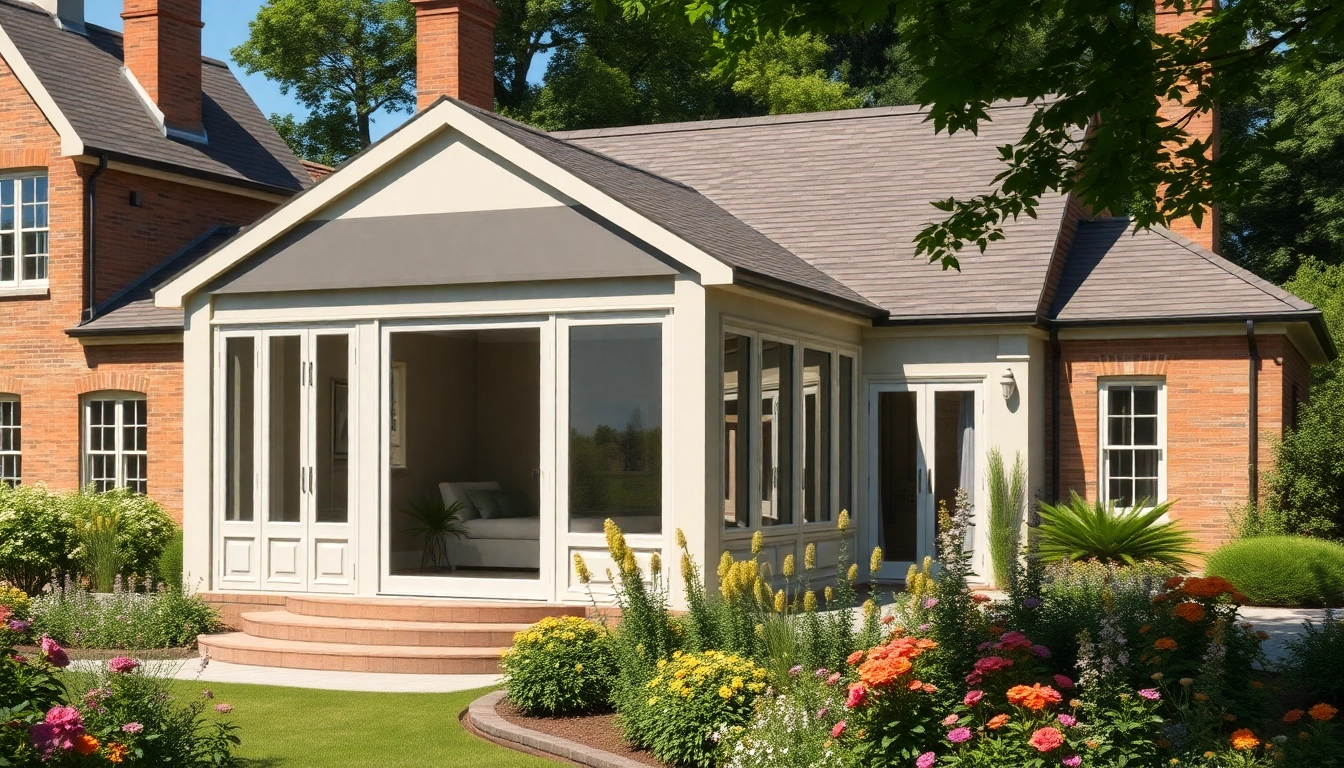
- East Coast Victorian: A Victorian home that added a sunroom featuring large windows and original wood cladding, embracing natural light while honoring its historical roots.
- Craftsman Bungalow: An addition that retained the signature exposed beams and built-in furniture characteristic of Craftsman architecture, preserving the home’s style and warmth.
- Ranch Style Expansion: This involved expanding outward while introducing new materials that complemented rather than mimicked existing structures—strengthening the home’s harmony.
Visual Inspiration for Homeowners
Visual inspiration can spark creativity in planning your historic home addition. Sources for ideas include:
- Architectural Magazines: Publications often showcase innovative blends of historic and modern design, featuring high-quality images.
- Online Portfolios: Reviewing portfolios from architects specializing in historical additions can reveal successful combinations of style and functionality.
- Local Heritage Tours: Visiting local historic sites can offer firsthand inspiration from existing additions that work beautifully with established character.
FAQs About Historic Home Addition
What permits are needed for a historic home addition?
Permits vary by locality but typically include a building permit, and additional approvals from historical preservation commissions may be necessary.
How do I blend new designs with my historic home’s style?
Focus on maintaining proportions, materials, and classic details that resonate with the original design to ensure harmony in your home.
What are cost-effective materials for an addition?
Repurposed or reclaimed materials often provide both aesthetic appeal and cost savings, effectively blending the new with the old.
How can I increase energy efficiency in my historic home addition?
Utilize insulated windows, efficient HVAC systems, and reflective roofing materials to enhance the energy efficiency of your historic addition.
How do I maintain the value of my historic home after an addition?
Ensure design coherence and use high-quality materials that respect the original home’s character to maintain and potentially increase its value.