
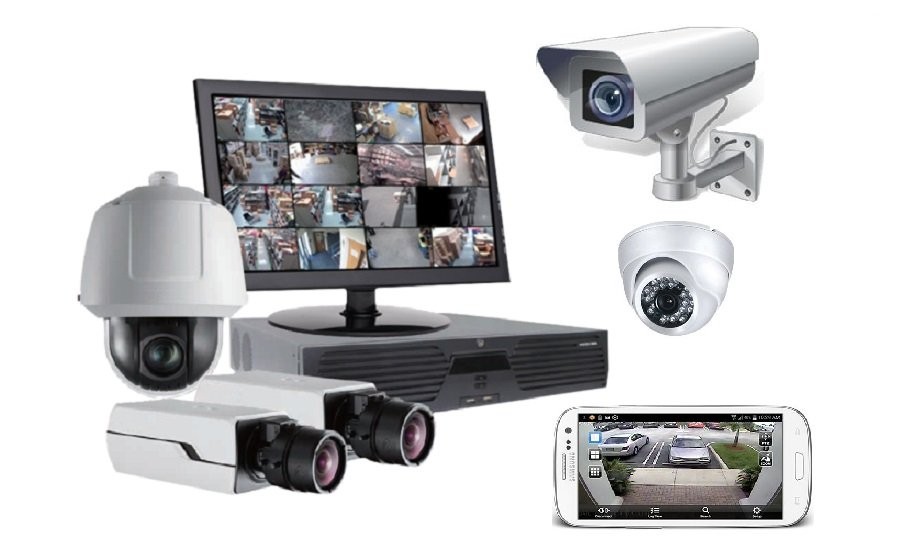
The concept of Home Security has evolved dramatically over the past two decades, yet many homeowners still rely on outdated beliefs that can leave their properties vulnerable. While technology, crime patterns, and smart protection systems have advanced, misinformation continues to shape how people think about safeguarding their homes. These myths often sound logical or reassuring, but in reality, they create blind spots that criminals exploit.
At Deep Dive Picks, we analyze Home Security from a research-driven perspective, separating fact from fiction to help homeowners make informed, long-term decisions. Understanding these myths is not about fear; it is about awareness. When you stop believing inaccurate assumptions, you unlock a more realistic, effective approach to protecting your home, your family, and your peace of mind.
This in-depth guide explores the most persistent Home Security myths, explains why they exist, and reveals what modern research and real-world data actually show. By the end, you will have a clearer, more confident understanding of what truly keeps a home safe in today’s environment.
- Why Home Security Myths Are So Dangerous
- Myth One: My Neighborhood Is Safe, So I Don’t Need Home Security
- Myth Two: Visible Security Measures Are Enough
- Myth Three: Home Security Systems Are Only for the Wealthy
- Myth Four: Burglars Only Strike at Night
- Myth Five: If Someone Wants to Break In, They Will No Matter What
- Myth Six: Smart Locks and Cameras Are Easy to Hack
- Myth Seven: Pets Make Home Security Systems Useless
- Myth Eight: I Can Rely on My Neighbors Instead
- Myth Nine: Renters Don’t Need Home Security
- Myth Ten: One Device Is Enough for Complete Protection
- How Modern Home Security Actually Works
- The Psychological Side of Home Security
- The Cost of Believing Home Security Myths
- Conclusion
- Frequently Asked Questions About Home Security
- FAQs
Why Home Security Myths Are So Dangerous
False beliefs about Home Security do more than spread misinformation; they actively increase risk. Many homeowners unknowingly make security decisions based on comfort rather than evidence. These myths often arise from outdated advice, marketing exaggerations, or assumptions passed down through generations. While they may sound convincing, they fail to account for modern crime tactics and evolving technology.
Criminals adapt quickly. They study neighborhoods, learn common homeowner habits, and exploit predictable behaviors. When people rely on myths, they unintentionally make their homes easier targets. Effective Home Security is not about luck or appearances; it is about layered protection, realistic threat assessment, and proactive planning.
Understanding why these myths persist is the first step toward replacing them with strategies that actually work.
Myth One: My Neighborhood Is Safe, So I Don’t Need Home Security
One of the most widespread misconceptions in Home Security is the belief that crime only happens in “bad” neighborhoods. Many homeowners assume that quiet streets, friendly neighbors, or low historical crime rates eliminate the need for serious protection. Unfortunately, this assumption ignores how and why modern burglaries occur.
Criminals do not choose locations based solely on reputation. They look for opportunity, visibility, and ease of access. Well-maintained neighborhoods often attract burglars because they contain higher-value items and homeowners who may feel too secure to invest in robust Home Security measures. Ironically, perceived safety can create vulnerability.
Studies consistently show that burglary occurs in all types of neighborhoods, including suburban and affluent areas. Safety is not static; it changes with population shifts, economic conditions, and local activity. Effective Home Security acknowledges that risk exists everywhere and prepares accordingly.
Myth Two: Visible Security Measures Are Enough
Another common Home Security myth is the idea that appearances alone provide sufficient protection. Many homeowners believe that a single camera, a sign in the yard, or a visible alarm panel will automatically deter criminals. While visibility plays a role, it is not a complete solution.
Experienced intruders can easily distinguish between real and superficial security setups. They know how to identify inactive cameras, outdated systems, or unmonitored alarms. Relying solely on visibility creates a false sense of safety that collapses under real scrutiny.
Modern Home Security works best when visible deterrents are combined with functional systems that detect, alert, and respond. True protection comes from reliability, not just presentation. Criminals are less concerned with what they see and more concerned with what actually works.
Myth Three: Home Security Systems Are Only for the Wealthy
The belief that Home Security is a luxury reserved for high-income households is both outdated and harmful. This myth discourages many homeowners from even exploring protection options, leaving them exposed to preventable risks.
Advancements in technology have made Home Security more accessible than ever. Scalable solutions, modular systems, and smart integrations allow homeowners to start small and expand over time. Protection is no longer limited to expensive, professionally installed setups.
Viewing Home Security as an investment rather than a luxury changes the conversation. The cost of theft, property damage, emotional distress, and recovery often far exceeds the cost of prevention. Effective security is not about wealth; it is about prioritization and informed decision-making.
Myth Four: Burglars Only Strike at Night
Many people assume that Home Security is primarily a nighttime concern. This belief leads to relaxed habits during the day, such as leaving doors unlocked or windows open. In reality, a significant number of burglaries occur during daylight hours.
Daytime burglaries often happen when homes are unoccupied due to work, school, or errands. Criminals prefer daylight because it offers better visibility and less suspicion. A person entering a home during the day may appear normal to neighbors, whereas nighttime activity raises alarms.
Effective Home Security operates continuously, not selectively. Protection should account for all hours, adapting to patterns of occupancy and movement. Assuming danger only exists at night creates predictable gaps that intruders exploit.
Myth Five: If Someone Wants to Break In, They Will No Matter What
This myth promotes a sense of helplessness that undermines proactive Home Security planning. While no system can guarantee absolute prevention, this belief ignores overwhelming evidence that security measures significantly reduce risk.
Most burglars seek the path of least resistance. Homes with layered Home Security systems are far more likely to be bypassed in favor of easier targets. Deterrence is not about creating an impenetrable fortress; it is about making your home less appealing than others nearby.
Security is about probability, not certainty. Every added layer of Home Security increases the effort, time, and risk for a criminal. In most cases, that is enough to stop an intrusion before it begins.
Myth Six: Smart Locks and Cameras Are Easy to Hack
Fear surrounding digital vulnerabilities has created skepticism about smart Home Security devices. While no technology is entirely immune to risk, the belief that smart systems are inherently unsafe is misleading.
Modern Home Security technology incorporates encryption, authentication protocols, and regular firmware updates. When properly configured, these systems are often more secure than traditional locks or standalone alarms. The real risk usually comes from poor setup practices, such as weak passwords or outdated software.
Smart systems also provide visibility and control that older methods cannot. Remote monitoring, alerts, and access logs enhance awareness and response. When used responsibly, smart Home Security strengthens protection rather than weakening it.
Myth Seven: Pets Make Home Security Systems Useless
Many homeowners avoid installing Home Security systems because they believe pets will constantly trigger false alarms. While this concern was valid with older technology, modern systems have largely addressed this issue.
Advanced motion sensors now distinguish between human movement and small animals. Custom sensitivity settings allow homeowners to adapt their Home Security setup to their living environment. Ignoring security due to pets is an outdated response to a modern problem.
Pets can actually enhance Home Security when combined with smart systems. Monitoring movement patterns, entry points, and unusual activity provides insight without sacrificing convenience or comfort.
Myth Eight: I Can Rely on My Neighbors Instead
Community awareness is valuable, but relying solely on neighbors for Home Security is unrealistic. People have their own routines, responsibilities, and limitations. Even the most vigilant neighbor cannot monitor your home continuously.
Criminal activity often happens quickly and quietly. By the time someone notices something unusual, the damage may already be done. Home Security systems operate consistently, without fatigue or distraction.
Strong security combines personal responsibility with community support. Technology fills the gaps that human observation cannot cover, creating a more reliable protective framework.
Myth Nine: Renters Don’t Need Home Security
Renters often believe Home Security is the landlord’s responsibility or unnecessary due to temporary living arrangements. This assumption overlooks the fact that renters face many of the same risks as homeowners.
Personal belongings, sensitive documents, and personal safety remain at stake regardless of ownership. Modern Home Security solutions are increasingly renter-friendly, offering non-invasive installation and portability.
Security is about protecting people and possessions, not property titles. Renters benefit just as much from proactive Home Security planning as homeowners do.
Myth Ten: One Device Is Enough for Complete Protection
Believing that a single device can handle all Home Security needs is a critical misunderstanding. Cameras, alarms, and locks each serve specific roles, but none function effectively in isolation.
Security works best as a layered system where each component reinforces the others. Cameras provide visibility, alarms create alerts, and access controls manage entry. Removing one layer weakens the entire structure.
Comprehensive Home Security is about balance and integration, not reliance on a single solution.
How Modern Home Security Actually Works
Modern Home Security is built on the principle of layered defense. This approach combines deterrence, detection, delay, and response into a cohesive system. Rather than focusing on a single threat, it addresses multiple scenarios simultaneously.
Technology plays a key role, but strategy matters just as much. Understanding daily routines, identifying vulnerabilities, and adjusting systems accordingly transforms Home Security from a product into a process.
Effective security evolves with your lifestyle, environment, and risk profile. It is not a one-time decision but an ongoing commitment to awareness and adaptation.
The Psychological Side of Home Security
Beyond physical protection, Home Security plays a significant psychological role. Feeling safe at home improves quality of life, reduces stress, and enhances overall well-being. Myths undermine this by creating false confidence or unnecessary fear.
Clear, accurate understanding empowers homeowners to make rational decisions. Confidence rooted in knowledge is far more valuable than comfort based on assumption. Home Security is as much about peace of mind as it is about prevention.
The Cost of Believing Home Security Myths
The real cost of these myths is not financial; it is emotional and psychological. Loss of safety, violation of privacy, and the aftermath of intrusion can leave lasting effects. Preventable incidents often result from preventable assumptions.
Investing time in understanding Home Security realities pays dividends in confidence and control. Knowledge transforms fear into preparedness.
Conclusion
Believing outdated myths about Home Security leaves homeowners exposed in ways they often do not realize until it is too late. Modern security is not about fear, wealth, or appearances; it is about informed, strategic protection grounded in real-world evidence. By questioning assumptions and embracing a layered approach, homeowners can significantly reduce risk and increase peace of mind.
At Deep Dive Picks, we believe true security comes from clarity. When you stop believing myths and start understanding how Home Security actually works, you move from passive hope to active protection. In a world where threats evolve, informed homeowners stay one step ahead. To learn more, simply visit our homepage.
Frequently Asked Questions About Home Security
FAQs
Is home security really necessary if I’m home most of the time?
Yes, Home Security remains essential even if you are frequently home. Many incidents occur during routine activities or moments of distraction. Security systems provide an additional layer of awareness and response that human presence alone cannot guarantee.
Do home security systems actually prevent crime?
Research shows that visible and functional Home Security systems significantly reduce the likelihood of burglary. Most criminals avoid homes that present higher risk and uncertainty.
Can home security increase property value?
Well-integrated Home Security can enhance a property’s appeal by signaling safety and modern infrastructure. While not the sole factor in valuation, it contributes to buyer confidence.
Are smart home security systems safe to use?
When properly configured, smart Home Security systems are highly secure. Regular updates, strong passwords, and responsible usage minimize digital risks and enhance overall protection.
How often should home security be updated?
Home Security should be reviewed periodically, especially after lifestyle changes, renovations, or new technology releases. Regular updates ensure continued effectiveness and adaptability.