
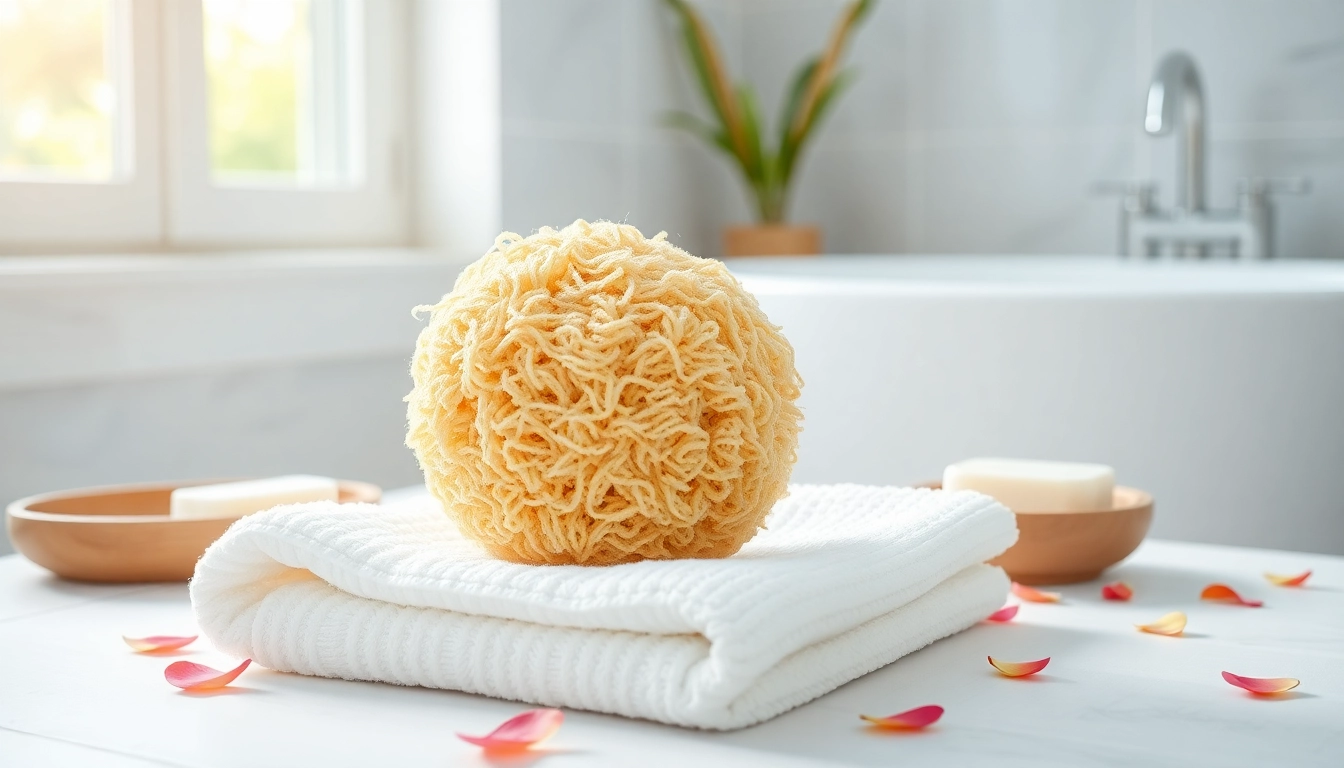
Understanding the Importance of Cleaning a Loofah
Loofahs are a popular choice for many when it comes to exfoliating the skin during showers or baths. However, proper care and maintenance of these bath staples are often overlooked. Regularly cleaning your loofah is essential not only for hygiene but also for prolonging its lifespan and ensuring you receive all the benefits it has to offer. In this guide, we will explore how to clean a loofah and why it’s important.
The Bacterial Risks of Unclean Loofahs
One of the primary reasons for maintaining a clean loofah is the risk of bacterial growth. Loofahs, especially those that are damp and stored in warm environments, can become breeding grounds for harmful bacteria. A study found that loofahs can harbor various types of bacteria, including E. coli, which poses significant health risks. These bacteria can lead to skin infections and other health issues, particularly for individuals with sensitive skin or weakened immune systems.
Health Benefits of Regular Cleaning
Regular cleaning of your loofah not only minimizes the risk of infections but also enhances the overall bathing experience. A clean loofah better exfoliates the skin, removing dead skin cells, and increases the effectiveness of body washes and soaps. Furthermore, it assists in keeping your skin fresh and smooth, all while preventing unpleasant odors that can arise from trapped moisture and bacteria.
Signs Your Loofah Needs Cleaning
Identifying when your loofah requires cleaning is crucial for effective maintenance. Key indicators include:
- Unpleasant Odor: If your loofah starts to smell bad, it’s a sign that bacteria may be present.
- Color Changes: Any discoloration can be a clear indication that it needs a thorough cleaning.
- Texture Changes: A loofah that begins to crumble or degrade is also calling for replacement, indicating it’s past its usable life.
Simple Steps on How to Clean a Loofah
Materials You’ll Need for Cleaning
To ensure an effective cleaning process, gather the following materials:
- Hot water
- White vinegar
- Baking soda (optional)
- Essential oils (optional for fragrance and antibacterial properties)
- Clean towel for drying
Step-by-Step Cleaning Instructions
Cleaning your loofah is a straightforward process. Here’s a step-by-step guide:
- Preparation: Rinse the loofah thoroughly under warm water to remove any soap residue.
- Vinegar Solution: Fill a bowl or sink with a mixture of equal parts water and white vinegar.
- Soak: Completely submerge your loofah in the vinegar solution for at least 10-15 minutes. This helps to disinfect and remove bacteria.
- Rinse Again: After soaking, rinse the loofah thoroughly under warm water to remove any remaining vinegar and residues.
- Optional Cleaning with Baking Soda: For added cleanliness, sprinkle baking soda on the loofah after rinsing and rub it gently. Rinse again afterwards.
- Essential Oils: If desired, add a few drops of essential oils to impart a pleasant fragrance and enhance antibacterial properties.
Drying and Storing Your Loofah Properly
Proper drying is crucial to prevent bacteria growth. After cleaning, hang your loofah in a well-ventilated area away from moisture. Avoid enclosed spaces where dampness can accumulate. Make sure it is hung up in a way that allows all sides to air dry completely. Proper storage will extend the life of your loofah significantly.
Natural Cleaning Solutions for Loofahs
Using Vinegar and Water Mixtures
Vinegar is a natural disinfectant that effectively kills many types of bacteria. It’s a safe and cost-effective solution for cleaning a loofah. By soaking it in a vinegar solution, you can both clean and deodorize your loofah naturally.
Benefits of Baking Soda in Cleaning
Baking soda is another powerful cleaning agent. It acts as a natural abrasive that helps physically scrub away grime while also neutralizing odors. Regular use of baking soda in your cleaning routine can significantly enhance the cleanliness and lifespan of your loofah.
Essential Oils for Freshness and Antibacterial Properties
Incorporating essential oils can add an aromatic touch to your loofah while providing additional antibacterial benefits. Oils such as tea tree oil, lavender, and eucalyptus are known for their antimicrobial properties, making them excellent choices for your cleaning regimen.
Maintaining a Clean Loofah: Best Practices
Frequency of Cleaning Your Loofah
To maintain optimal hygiene, it’s advisable to clean your loofah at least once a week. This frequent cleaning schedule minimizes the buildup of bacteria and helps keep your skin healthy.
Alternatives to Traditional Loofahs
If you find consistent cleaning challenging or want to explore alternatives, consider using exfoliating gloves, washable sponges, or synthetic loofahs designed for easy cleaning. These alternatives can also provide similar benefits without the associated bacteria risks.
Tips for Prolonging Your Loofah’s Lifespan
Proper care extends the life of your loofah significantly. A few tips include:
- Store it in a dry area: Ensure it’s hanged properly after each use.
- Avoid sharing: Sharing can lead to increased exposure to germs.
- Regular Inspection: Check for wear and tear; if it’s showing signs of deterioration, consider replacing it.
FAQs about Cleaning Loofahs
How often should I clean my loofah?
It’s recommended to clean your loofah once a week to reduce bacterial buildup.
Can I sanitize my loofah in the microwave?
Yes, but ensure it’s damp and microwave it for about 1 minute. It’s also essential to ensure it’s microwave-safe.
Is there a difference between synthetic and natural loofahs?
Yes, natural loofahs are biodegradable and more environmentally friendly compared to synthetic ones.
What is the best way to dry a loofah?
Hang it in a dry, airy space away from moisture to prevent bacteria growth.
How can I tell if my loofah is too old?
If it starts to crumble or has an unpleasant odor, it’s time to replace your loofah.

