Understanding Construction Safety Training
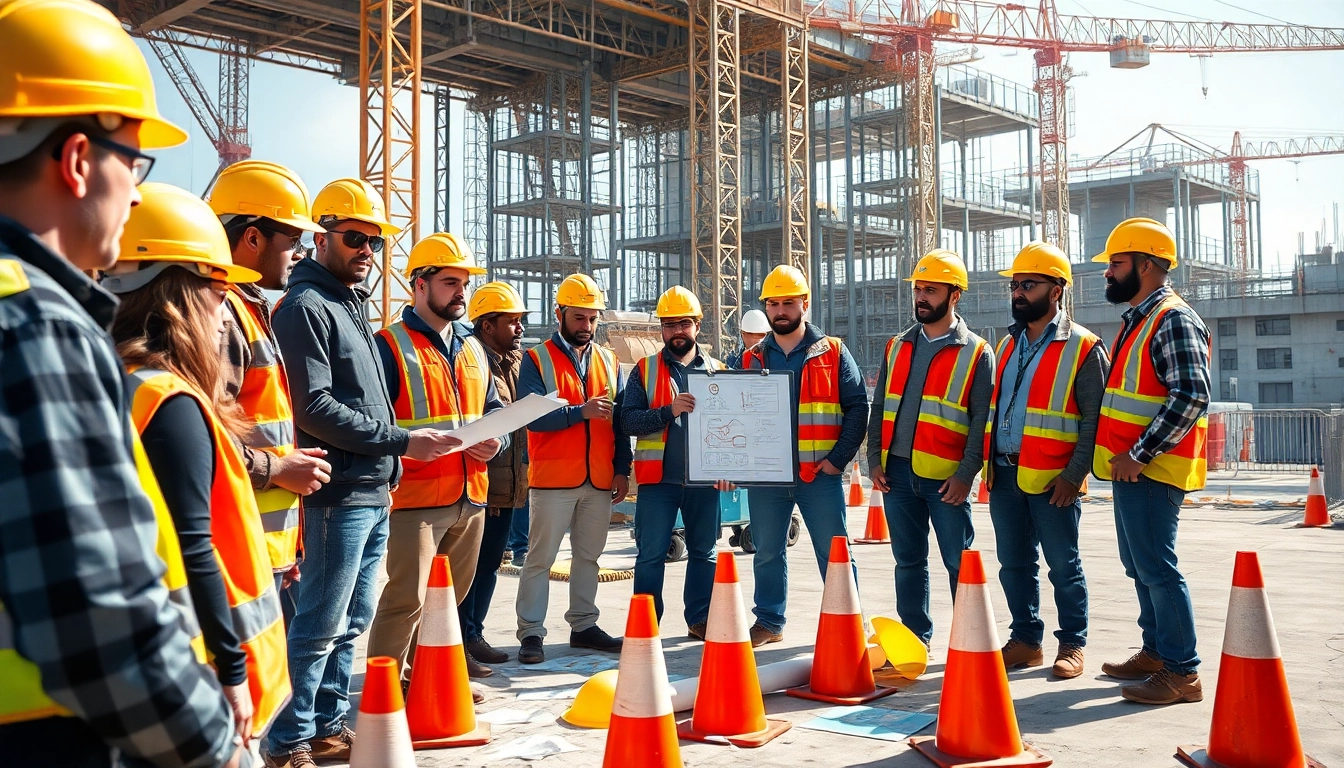
Construction safety training is a crucial aspect of maintaining a secure work environment in the construction industry. With the inherent risks associated with construction sites, it becomes imperative for workers to be well-versed in safety protocols and practices. Implementing effective construction safety training not only safeguards employees but also enhances productivity, ensures compliance with regulations, and reduces the likelihood of accidents.
Importance of Workplace Safety
Workplace safety in the construction sector is paramount due to the high incidence of injuries and fatalities. According to the Occupational Safety and Health Administration (OSHA), construction workers are at a higher risk of workplace fatalities compared to other industries. By prioritizing safety, companies can:
- Protect their employees from potential hazards.
- Reduce costs associated with accidents and downtime.
- Foster a positive work culture that values employee well-being.
- Maintain a good reputation with clients and stakeholders.
Key Objectives of Construction Safety Training
The primary objectives of construction safety training include:
- Awareness: Educating workers about potential risks and safe practices.
- Skill Development: Teaching practical skills necessary for safe operation of tools and equipment.
- Compliance: Ensuring that all practices adhere to local, state, and federal regulations.
- Emergency Preparedness: Preparing workers for emergency situations through drills and simulations.
Compliance and Legal Requirements
Compliance with safety regulations is not optional; it is mandated by law. In many regions, companies are required to maintain a documented safety training program. Failure to comply can result in legal repercussions, including fines and work stoppages. Familiarity with OSHA standards, local regulations, and industry best practices is essential for any construction business to operate legally and safely.
Types of Construction Safety Training Programs
Mandatory Safety Training Regulations
In the construction industry, specific training programs are mandated by law. These often include:
- OSHA 10 and 30-Hour Training Courses: Designed for general awareness of construction site safety.
- Forklift Safety Training: Required for operating forklifts and similar machinery.
- Hazard Communication Training: Focuses on the handling of hazardous materials.
Specialized Training for Hazardous Environments
Some construction sites present unique challenges that require specialized training. This type of training may focus on:
- Confined Spaces: Procedures for safely working in enclosed areas.
- Fall Protection: Techniques and equipment to prevent falls from heights.
- Electrical Safety: Protocols for safely working with electrical systems.
Online vs. In-person Training Options
Both online and in-person training formats have their own advantages:
- Online Training: Flexible scheduling and remote accessibility make it increasingly popular.
- In-Person Training: Allows for hands-on practice and direct interaction with instructors, which can be crucial for skill development.
The choice between the two should depend on the specific needs of the workforce and the nature of the training involved.
Developing an Effective Construction Safety Training Program
Identifying Training Needs and Gaps
Understanding the specific training needs of your workforce is the first step in developing an effective training program. This can involve:
- Conducting surveys and assessments to identify knowledge gaps.
- Reviewing accident reports to understand where additional training is needed.
- Engaging with employees to gauge their perceptions of existing safety protocols.
Creating a Training Schedule and Curriculum
Once needs are identified, the next step is to create a structured training schedule and curriculum. Considerations include:
- Frequency of training sessions.
- Diversity of topics covered based on the identified training needs.
- Incorporating different teaching methodologies to cater to different learning styles.
Incorporating Hands-on Practice and Assessments
Effective training goes beyond theoretical knowledge. Incorporating hands-on practice and assessments can enhance retention and ensure that workers are proficient in their safety skills. This can include:
- Simulated training exercises that mimic real-life scenarios.
- Regular assessments to evaluate knowledge and skills, followed by feedback sessions.
- Encouraging peer training and mentorship programs.
Measuring the Effectiveness of Construction Safety Training
Key Performance Indicators for Training Success
To assess the effectiveness of your construction safety training, establishing Key Performance Indicators (KPIs) is essential. Metrics might include:
- Reduction in the number of accidents or incidents.
- Improved compliance rates during safety audits.
- Participant feedback indicating increased confidence in safety practices.
Regular Evaluation and Feedback Mechanisms
Continuous evaluation should be incorporated into the training program. Conducting regular feedback sessions can help identify areas for improvement and allow trainers to adapt their methods. Consider implementing:
- Post-training evaluations to gather participant insights.
- Ongoing assessments to evaluate skill retention over time.
- Follow-up training sessions to address identified gaps.
Continuous Improvement Strategies
Construction safety training should be a dynamic process. Regularly revisiting and updating training materials is necessary to incorporate new regulations, technologies, and methodologies. Strategies for continuous improvement include:
- Attending industry seminars and workshops to stay ahead of trends.
- Soliciting feedback from employees about the training and its relevance.
- Benchmarking against industry best practices to identify potential enhancements.
Frequently Asked Questions about Construction Safety Training
What is construction safety training?
Construction safety training educates workers about practices, regulations, and skills needed to ensure safety on construction sites.
How often should safety training be conducted?
Training should be conducted regularly, with sessions scheduled annually or biannually, and additional training after incidents or new equipment use.
Are there certifications for construction safety training?
Yes, many recognized certification programs exist, including OSHA training courses, which can enhance worker qualifications.
What are common topics covered in safety training?
Common topics include fall protection, hazardous materials handling, equipment operation, emergency preparedness, and personal protective equipment.
How can I make training more engaging for workers?
Incorporate interactive elements, use real-life scenarios, involve hands-on practice, and encourage group discussions to enhance engagement.