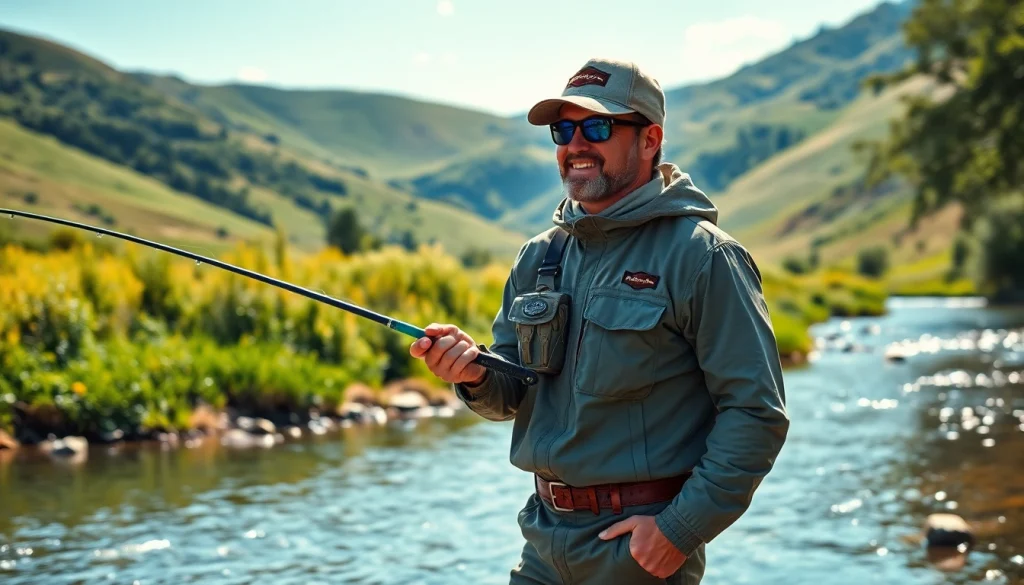
Understanding Fly Fishing Apparel
When it comes to fly fishing, the right apparel isn’t just about looking good on the water. Fly fishing apparel plays a crucial role in an angler’s performance, comfort, and safety. Selecting the appropriate clothing and gear can make all the difference between an enjoyable day on the water and a frustrating experience. Let’s delve into what makes fly fishing apparel unique and essential.
What Makes Fly Fishing Apparel Unique?
Unlike regular outdoor clothing, fly fishing apparel is designed with specific features to enhance performance in aquatic environments. Here are a few distinctive aspects:
- Water Resistance: Many fly fishing garments are crafted with water-resistant materials to keep anglers dry.
- Lightweight and Breathable: These materials ensure comfort on warmer days by allowing air circulation and moisture wicking.
- UV Protection: Extended exposure to the sun can be harmful. Many fly fishing clothes offer built-in UV shielding to protect the skin.
- Functional Pockets: Specially designed storage options are included throughout apparel, allowing easy access to tools and accessories.
Key Features to Look For
When shopping for fly fishing apparel, consider the following features:
- Moisture-Wicking Fabrics: Fabrics that draw sweat away from the skin to keep you cool and dry.
- Quick-Dry Technology: Materials that dry rapidly after getting wet help maintain comfort.
- Built-In Ventilation: Features like mesh panels enhance airflow, crucial during hot weather.
- Compatibility with Layers: Ensure the apparel fits well with other layers to adjust to changing conditions.
The Importance of Functionality in Fishing Apparel
Functionality is key in fly fishing—each piece of apparel should serve a purpose. Whether it’s keeping you warm during the morning chill or protecting against harmful rays in the afternoon sun, every garment’s design should contribute to an optimal fishing experience. In essence, fly fishing apparel should enhance agility, reduce fatigue, and allow anglers to focus on their skills.
Top Materials for Fly Fishing Apparel
Understanding the materials used in fly fishing apparel is essential in making informed choices. The fabric can significantly impact your overall fishing experience.
Benefits of Synthetic Fabrics
Synthetic fabrics are a popular choice for fly fishing apparel due to their numerous advantages:
- Durability: Synthetic materials, such as polyester and nylon, are incredibly strong and resistant to wear and tear, making them ideal for rugged outdoor conditions.
- Moisture Resistance: Many synthetic fabrics are engineered to repel water and dry quickly, maintaining comfort during long fishing trips.
- Lightweight: These materials provide functionality without adding bulk, benefiting mobility and agility.
Why Natural Fibers Matter
Natural fibers like cotton and wool offer their own special benefits:
- Comfort: Cotton is soft against the skin and breathes well, making for comfortable all-day wear.
- Insulation: Wool insulates even when wet and helps regulate body temperature, which is valuable during unpredictable weather.
- Eco-Friendly: Natural fibers tend to have a smaller environmental footprint compared to synthetics, appealing to those who value sustainability.
Caring for Your Fly Fishing Apparel
Proper care is essential for prolonging the life of your fly fishing apparel. Follow these maintenance tips:
- Washing: Always follow the care labels; usually cold water with mild detergent is best. Avoid fabric softeners.
- Drying: Air drying preserves fabric integrity. If using a dryer, opt for low heat settings.
- Storage: Store garments in a cool, dry place away from direct sunlight to prevent fading and degradation.
Choosing the Right Fit
Fit is paramount in fly fishing apparel. Ill-fitting gear can restrict movement and comfort, affecting your overall experience.
Determining Your Size
To find the right size, always refer to the sizing charts provided by manufacturers. Consider your measurements, including waist, hips, and chest, to ensure a proper fit. Insurance of a comfortable fit is vital for mobility.
Body Types and Apparel Styles
Different body types may benefit from various styles of apparel. Here are common body types:
- Athletic: Opt for fitted styles that offer stretch and mobility.
- Curvy: Look for tailored options that provide room in the chest and hips.
- Petite: Consider brands offering petite sizes to avoid excess fabric.
Layering Techniques for Different Conditions
Proper layering is essential for adjusting to different weather conditions. Here are recommendations:
- Base Layer: Choose a moisture-wicking base layer for warmth and dryness.
- Mid Layer: Utilize insulating materials, such as fleece or wool, for cold conditions.
- Outer Layer: Select a breathable and waterproof shell to protect against rain and wind.
Popular Fly Fishing Apparel Brands
While product names are omitted, the exploration of innovations and trends within the fly fishing apparel segment remains relevant.
Innovative Design Trends
Current trends in fly fishing apparel focus on sustainability, performance, and multifunctionality. Look for innovative features like:
- Seamless Construction: Minimizes chafing and enhances comfort during long wear.
- Integrated Utility: Gear with built-in flotation devices or quick-access storage is gaining popularity.
- Adaptive Technology: Fabrics that respond to environmental changes, providing warmth or cooling as required.
Eco-Friendly Options in Fly Fishing Apparel
As environmental awareness grows, many brands are prioritizing sustainability in their production. Consider clothing made from recycled materials or organic fabrics to reduce your ecological impact.
Price Ranges and Value Comparison
Fly fishing apparel comes across a wide price spectrum. While higher-priced items may use advanced technology and superior materials, often there are budget-friendly options available that still offer decent quality. It’s important to assess the value relative to longevity and weather resilience.
Maintenance and Upkeep of Fly Fishing Apparel
To maintain the effectiveness and appearance of your fly fishing apparel, implementing regular upkeep practices is vital.
Washing and Drying Recommendations
In addition to following the label instructions, it’s a good idea to use a detergent that is free of dyes and fragrances, as they can affect fabric performance and longevity.
Storage Tips for Longevity
For waders and waterproof apparel, ensure they are completely dry before storage to prevent mold and degradation. Hanging them up or storing in a breathable bag is advisable.
When to Replace Your Gear
Regularly inspect apparel for signs of wear. If you find significant damage, such as holes or loss of waterproofing, it may be time to replace the gear to ensure continued performance.
FAQs about Fly Fishing Apparel
What are the essential pieces of fly fishing apparel?
Essential pieces include waders, breathable shirts, UV protection jackets, and quick-dry pants.
How do I choose the right size for fly fishing apparel?
It’s crucial to refer to sizing charts and choose an outfit that allows for ease of movement.
Can fly fishing apparel be used for other sports?
Yes, many items are versatile and can be used for hiking and other outdoor activities.
How should I wash my fly fishing apparel?
Follow the care label, typically using cold water and mild detergent, and avoid fabric softeners.
What features enhance comfort in fly fishing apparel?
Look for moisture-wicking properties, cool-down technology, and adequate ventilation for comfort.