
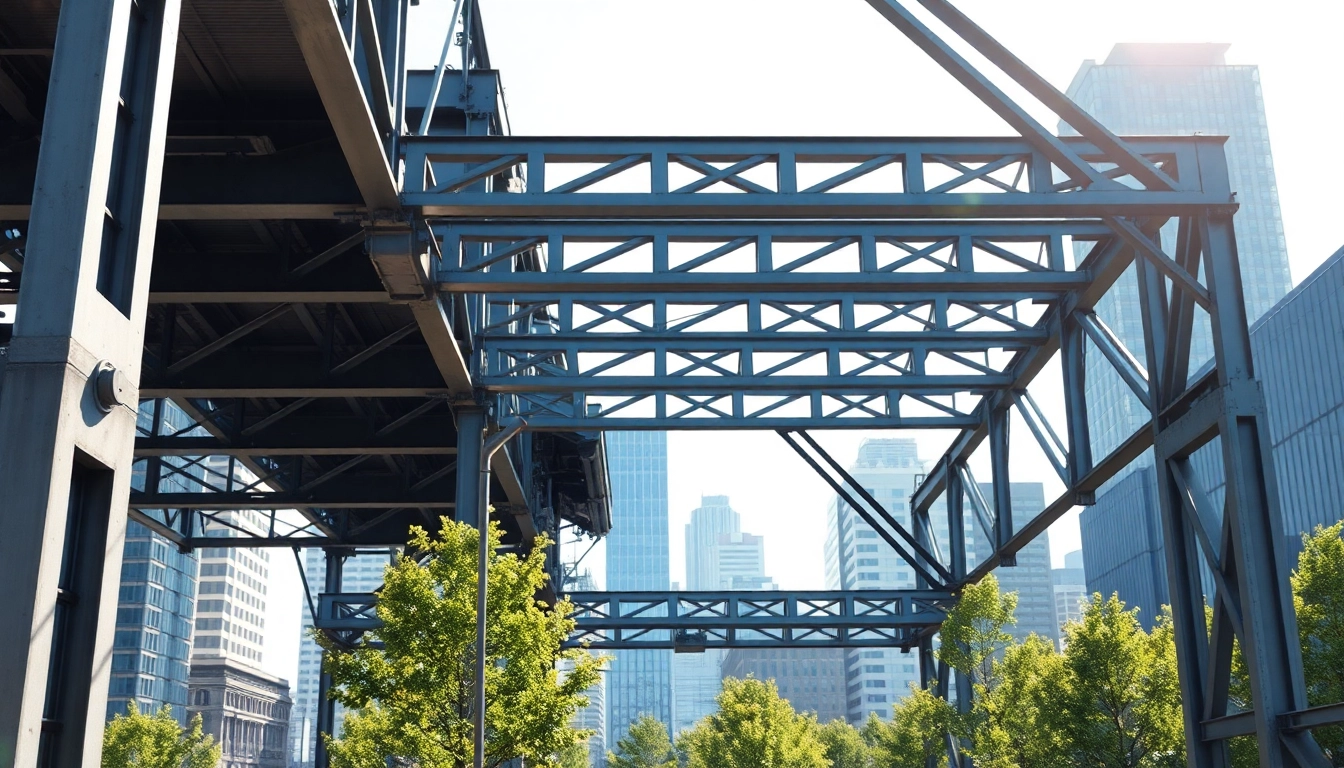
Understanding Steel Structure Design
Essentials of Steel Material Properties
Steel is a versatile and robust material that has been widely used in construction and civil engineering due to its exceptional strength-to-weight ratio and durability. Understanding the essential properties of steel is crucial for effective steel structure design.
Key properties include tensile strength, yield strength, ductility, and hardness. Tensile strength refers to the maximum stress a material can withstand while being stretched or pulled before breaking. Yield strength is the amount of stress at which a material begins to deform plastically. Ductility measures a material’s ability to deform under tensile stress, which is vital during seismic events to absorb energy without failing. The hardness of steel defines its resistance to deformation.
Understanding these properties allows designers to select the appropriate grade of steel for specific applications. For example, high-strength low-alloy (HSLA) steel is often chosen for its excellent strength-to-weight efficiency, making it suitable for various applications, including high-rise structures and bridges.
Key Design Principles
The foundation of effective steel structure design lies in a solid understanding of fundamental design principles, which guide engineers in creating safe, functional, and aesthetically pleasing structures. Key principles include the following:
- Load Distribution: A thorough grasp of various types of loads—dead loads, live loads, and environmental loads such as wind and seismic activity—is essential for ensuring a reliable design.
- Structural Integrity: An effective design must ensure the overall stability of the structure, which involves analyzing potential failure modes and ensuring redundancy.
- Material Efficiency: Optimizing the use of materials not only enhances performance but also reduces costs and minimizes environmental impact.
- Aesthetic Considerations: Balancing functionality with aesthetics allows for the creation of structures that are not only soundly engineered but also visually appealing, contributing to the urban landscape.
Adhering to these principles results in structures designed for both performance and longevity.
Importance of Load-Bearing Capacity
The load-bearing capacity of a structure is central to the success of any construction project. It defines how much weight a structure can support without experiencing failure. In steel structure design, evaluating load-bearing capacity involves careful calculations and assessments of various forces acting on the structure.
To determine load-bearing capacity, engineers utilize methods such as finite element analysis (FEA), which allows for the modeling of complex interactions between loads and structural elements. This sophisticated approach not only pinpoints stress concentrations but also helps in optimizing beam and column placements for maximum efficiency.
Moreover, adhering to building codes and standards while considering factors like dynamic loads is essential to ensure that a structure can withstand not only typical use but also extreme events such as earthquakes and hurricanes.
Innovative Techniques in Steel Structure Design
3D Modeling and Simulation Tools
Advancements in technology have significantly impacted the field of steel structure design, particularly with the integration of 3D modeling and simulation tools. These digital solutions facilitate the visualization of complex designs, enabling engineers to identify potential issues early in the design process.
Tools like Building Information Modeling (BIM) provide comprehensive insights into a structure’s performance, from the foundation through to the rooftop. By simulating how the steel elements interact under various conditions—load applications, temperature fluctuations, and environmental impacts—engineers can optimize designs to enhance safety, efficiency, and cost-effectiveness.
Furthermore, these tools foster collaboration between architects, engineers, and construction teams, allowing for seamless communication and a more integrated approach to project delivery.
Modular Steel Construction Approaches
Modular construction represents a paradigm shift in traditional building methods, particularly in steel structure design. Prefabrication of steel components off-site allows for greater precision and reduced construction time on-site. Structures can be assembled rapidly—often in a matter of days—compared to weeks or months for conventional construction.
This approach not only speeds up delivery but also enhances quality control, as components are manufactured in a controlled environment. Additionally, given the reduction in waste and disruption on-site, modular construction aligns with sustainable practices in the construction industry.
Integrated Design and Construction Methods
Integrated design and construction (IDC) methods focus on collaboration throughout the project lifecycle, from initial design through to construction and operation. This holistic approach emphasizes the interaction between all stakeholders, fostering a shared vision and mutual understanding of goals and objectives.
Through IDC, teams can effectively tackle issues related to design changes, material selection, and budget constraints early on, thus reducing the potential for costly changes later in the project timeline. This practice not only improves efficiency but also promotes innovative solutions to complex design challenges.
Common Challenges in Steel Structure Design
Dealing with Corrosion Risks
Corrosion poses a significant risk to steel structures, leading to structural degradation and failure if not adequately addressed. Engineers must implement effective corrosion prevention strategies, especially in environments exposed to moisture, chemicals, or salt.
Common approaches include the use of protective coatings, such as galvanization, which adds a layer of zinc to the steel surface to prevent corrosion. Additionally, passive strategies, like designing adequate drainage systems to minimize water accumulation, play an essential role in protecting steel structures from corrosion-related issues.
Managing Costs and Budgets
Effective cost management is a critical aspect of steel structure design, requiring an in-depth understanding of materials, labor, and unforeseen issues that may arise during construction. Maintaining a budget while delivering a high-quality structure demands careful planning and ongoing monitoring throughout the project lifecycle.
Employing value engineering principles can yield significant cost savings by identifying optimal alternatives for materials and construction methods without jeopardizing quality. Additionally, leveraging technology, such as cost estimation software, assists in improving accuracy and reduces the potential for budget overruns.
Ensuring Compliance with Codes
Steel structures must adhere to a wide range of building codes and regulations, ensuring safety, stability, and functionality. Understanding and complying with these codes is crucial for engineers and architects alike.
Consulting local codes as well as national standards, such as those established by the American Institute of Steel Construction (AISC), ensures structures meet necessary safety and performance criteria. Regular audits and reviews throughout the design and construction process help to guarantee compliance and minimize penalties that can arise from code violations.
Best Practices for Efficient Steel Structure Design
Collaboration with Architects and Engineers
Effective collaboration between architects and engineers is crucial for the success of any steel structure design project. Early engagement of all stakeholders ensures a comprehensive understanding of design requirements, structural implications, and aesthetic considerations.
Cross-disciplinary meetings facilitate open communication and enable teams to share their expertise, thus identifying challenges and innovations that emerge throughout the project lifecycle. Utilizing platforms that support collaborative workflows, such as BIM, enhances this teamwork and helps streamline the design process.
Utilizing Sustainable Materials and Techniques
As the construction industry continues to seek greater sustainability, the use of eco-friendly materials and practices is on the rise. Employing recycled steel not only reduces the carbon footprint of a project but can also be more economically viable compared to using newly mined steel.
Additionally, designers can explore construction techniques that minimize waste, such as modular design, which allows for better planning and use of resources. Incorporating renewable energy sources into steel structures, such as solar panels, provides both environmental benefits and cost savings over time.
Continuous Quality Control Processes
In steel structure design, establishing robust quality control processes is essential to ensure that construction meets established standards and specifications. Implementing regular inspections and quality audits throughout the construction process helps identify potential defects early, reducing the risk of costly rectifications.
Adopting techniques like statistical process control (SPC) can provide insightful metrics that guide quality improvements, fostering a culture of continuous improvement within construction teams. This commitment to quality ensures that structures are not only functional but also durable and reliable over time.
Future Trends in Steel Structure Design
Emerging Technologies in Design Workflows
As technology evolves, the influence of emerging tools and methods on steel structure design becomes increasingly apparent. Innovations in artificial intelligence and machine learning are beginning to play a vital role in optimizing design workflows, successfully handling complex data sets, and automating mundane tasks.
Technologies such as generative design enable engineers to quickly explore multiple design alternatives based on desired constraints, enhancing creativity and efficiency. By leveraging these technologies, steel structure designers can produce more innovative and functional designs tailored to specific project needs.
Adaptive Reuse of Steel Structures
Adaptive reuse is gaining traction as a sustainable architectural practice, signifying the repurposing of existing steel structures for new uses. This approach minimizes waste, preserves historical significance, and saves resources in the construction sector.
Examples include transforming abandoned warehouses into modern office spaces or converting old factories into residential units. This not only provides a significant cultural and economic boost to communities but also reduces the environmental impact associated with new construction.
Impact of Regulations on Future Designs
Future trends in steel structure design will undoubtedly be shaped by evolving regulations aimed at enhancing safety, sustainability, and performance. As governments increase their focus on environmental impact, designers will need to adapt quickly to comply with these new standards.
This shift toward stricter regulations will likely prompt greater innovation, leading to the development of new materials, construction methods, and design practices that meet regulatory expectations while improving overall structural efficiency.