
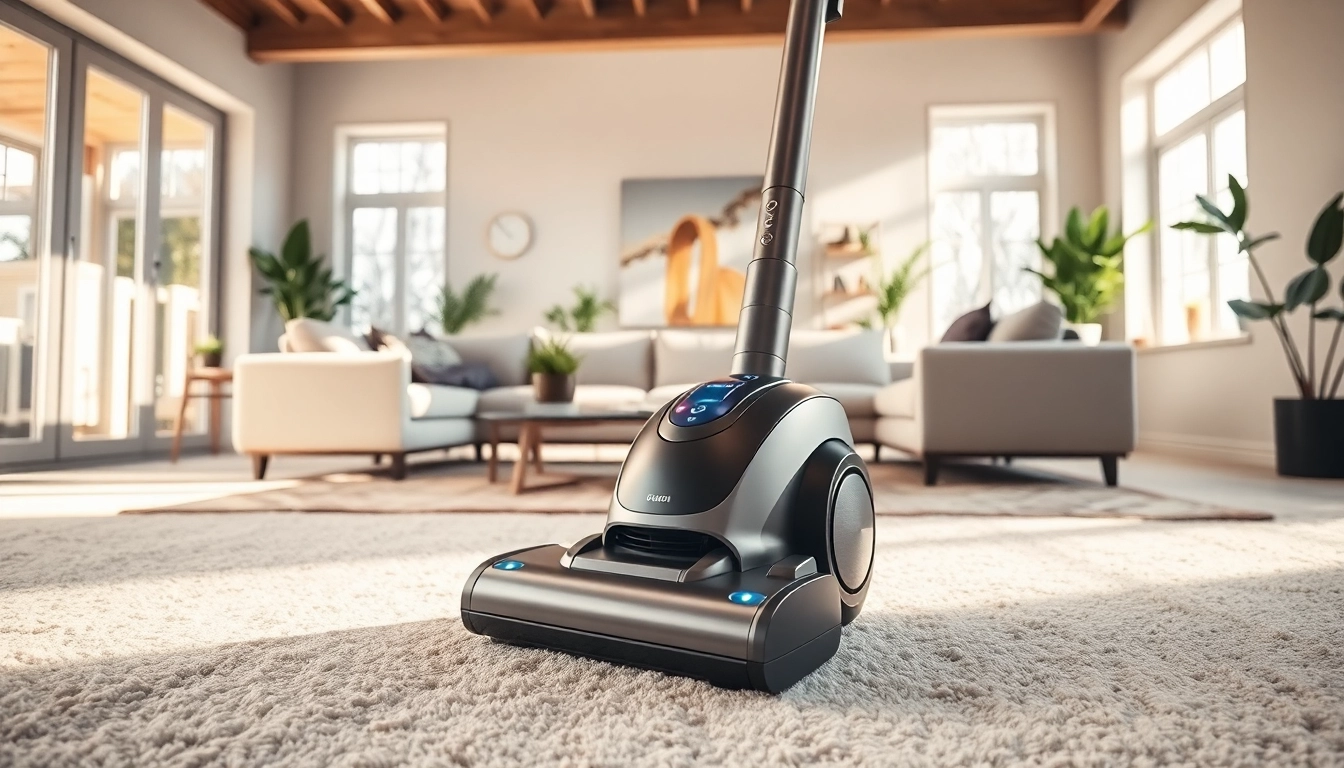
Understanding Different Types of Vacuum
When it comes to maintaining a clean and healthy living space, selecting the right vacuum is crucial. With the variety of options available in the market today, understanding the different types of vacuum can help consumers make informed decisions that suit their unique cleaning needs. Each type has its own pros and cons, and knowing these can drastically affect your cleaning efficiency and comfort. For instance, those in search of a high-performance cleaning tool may consider various factors, like space considerations and cleaning routines. If you’re ready to dive into the world of vacuums, start exploring options at vacuum stores.
Upright vacuum: Pros and Cons
Upright vacuums are often the most recognizable style, designed for maximum efficiency on carpets and large areas. Here are some advantages and disadvantages:
- Pros:
- Excellent suction for carpets due to powerful motors.
- Typically have larger dust capacities, reducing the frequency of emptying.
- Often come with a variety of attachments for versatile cleaning.
- Cons:
- Can be bulky and heavy, making them difficult to maneuver.
- Less efficient on stairs or hard flooring compared to other types.
- Tend to be noisier, which might disturb pets or children.
Canister vacuum: When to Choose
Canister vacuums are a versatile option, comprising a canister unit with a long wand and hose. They are a preferred choice for a variety of floor types.
- Pros:
- Lightweight and easier to carry around the home.
- More maneuverable for cleaning tight spaces and corners.
- Effective on both carpets and hard floors, offering adjustable suction settings.
- Cons:
- Generally have smaller dust capacities compared to upright models.
- Can be cumbersome to store due to multiple components.
- The hose can sometimes be a tripping hazard in small spaces.
Robotic vacuum: Advantages of Automation
Robotic vacuums epitomize convenience with their automated cleaning capabilities. Ideal for busy individuals or tech enthusiasts, these vacuums operate independently.
- Pros:
- Convenient for daily cleaning routines without manual effort.
- Equipped with sensors to avoid obstacles and efficiently navigate rooms.
- Often comes with scheduling features and app connectivity.
- Cons:
- May not have the same suction power as traditional models.
- Limited dust capacity and may require frequent emptying.
- Less effective on thick carpets and rugs.
Key Features to Consider in a Vacuum
Choosing the right vacuum isn’t merely about picking a type; it involves examining several key features that can significantly impact your cleaning experience. Here are the essential aspects to keep in mind:
Suction Power and Performance
Suction power is perhaps the most critical feature of any vacuum. Higher suction power means better dirt removal, but it’s not always about raw power; it also involves the vacuum’s design and its adaptations for different surfaces. For instance:
- Look for models with adjustable suction settings, allowing you to switch between surfaces.
- Consider the vacuum motor’s wattage; higher wattage often translates into better suction.
- Look for reviews or ratings that detail the vacuum’s performance across different scenarios.
Filtration: HEPA vs. Standard Filters
Filtration systems are essential in vacuums, especially for allergen control. High-Efficiency Particulate Air (HEPA) filters are designed to trap microscopic allergens, making them a desirable feature for homes with allergy sufferers.
- HEPA Filters:
- Must capture 99.97% of particles measuring 0.3 microns, which includes pollen, dust mites, and pet dander.
- Ideally suited for allergy and asthma sufferers.
- Often more expensive, but worth the investment for enhanced air quality.
- Standard Filters:
- Generally less effective at trapping fine particles, which can lead to poorer air quality.
- More common in budget vacuums, while not as expensive or specialized.
Attachments and Accessories for Versatility
Versatility can enhance the efficiency of your cleaning routine. Look for vacuums that come with a variety of attachments and accessories, such as:
- Brush rolls: Effective for carpets and pet hair.
- Crevice tools: Ideal for tight spaces.
- Dusting brushes: Perfect for delicate surfaces and furniture.
Vacuum Maintenance Tips for Longevity
Proper maintenance is crucial for extending the life of your vacuum. Here are several strategies to keep your vacuum running efficiently for years:
Regular Cleaning of Filters and Brushes
Filtration systems and the brushes of your vacuum play pivotal roles in performance. Regular cleaning can prevent clogs and maintain suction power:
- Clean or replace filters according to the manufacturer’s guidelines; washable filters should be cleaned regularly.
- Check and clear brush rolls of hair and debris that can impede performance.
Proper Storage Solutions
Where and how you store your vacuum can influence its maintenance. Consider these storage tips:
- Avoid exposing your vacuum to extreme temperatures or humidity, as this can damage the motor or battery.
- Store upright to prevent wear on the vacuum’s components.
- Keep storage areas uncluttered to avoid damage to the vacuum or tripping hazards while storing or retrieving it.
When to Replace Your Vacuum
No vacuum lasts forever. Recognizing the signs that you need a new vacuum can save you time and hassle:
- If you notice a significant drop in suction or cleaning efficacy despite regular maintenance, it may be time to shop for a replacement.
- Physical damage to critical components, such as the motor or filters, can also indicate a need for a new unit.
- Be aware of the age of your vacuum; most last between 8 to 10 years, after which performance may decline.
Budgeting for a Quality Vacuum
Finding a vacuum that meets your cleaning needs does not have to break the bank. However, proper budgeting is essential for ensuring you make an investment that pays off in long-term performance. Here’s how to effectively budget for your purchase:
Understanding Price Ranges and Features
Vacuums come in a wide spectrum of prices, and it’s essential to understand what features you’re getting at each price point. Here’s a quick overview:
- Budget Vacuums: Usually priced under $150, they contain the most basic features but can be adequate for light cleaning and small spaces.
- Mid-range Vacuums: Priced between $150-$400, these typically offer better suction, more features, and generally come with extras, such as filters and attachments.
- Premium Vacuums: Priced above $400, they often include advanced features like HEPA filtration, robotic capabilities, and longevity in performance.
Evaluating Cost vs. Performance
It’s vital to evaluate how much you’re willing to spend versus the performance level you require. Consider conducting a cost-benefit analysis:
- Factor in how often you’ll use the vacuum, as more frequent use justifies a higher investment.
- Read reviews focusing on performance longevity and user experience to inform your decision and avoid low-quality purchases.
Finding Deals and Discounts
To maximize your budget, look for sales events, discounts, or even refurbished models. Some tips include:
- Monitor seasonal sales, particularly during Black Friday, holiday events, and back-to-school promotions.
- Subscribe to newsletters from retailers to receive exclusive discount codes.
- Consider warranties or service plans, which can save you money on repairs in the long run.
Enhancing Home Cleaning with the Right Vacuum
The right vacuum doesn’t just clean your floors; it can drastically enhance your overall home cleaning experience. Here are ways it can improve your environment:
How Your Vacuum Influences Home Health
A quality vacuum can contribute significantly to a healthier home environment. Here’s how:
- Efficient dirt and dust removal can prevent allergens from circulating in the air, enhancing indoor air quality.
- Regular vacuuming eliminates pet dander and other irritants, which is crucial for households with medical allergies or respiratory issues.
- HEPA filters trap bacteria and allergens, reducing the risk of mold and mildew buildup in your home.
Time-Saving Benefits of Efficient Cleaning
Time is a precious resource, and an efficient vacuum can significantly reduce cleaning time. Consider these time-saving benefits:
- Robust suction enables quicker dirt pickup, minimizing the need for repeated passes over the same area.
- Attachments designed for specific tasks streamline cleaning, allowing for multitasking during cleaning sessions.
- Autonomous models can tackle daily cleaning without human intervention, freeing up time for other tasks.
Smart Features Making Clean Up Easier
The latest vacuum models boast a range of smart features aimed at simplifying your cleaning routine:
- Wi-Fi connectivity for app control allows users to schedule cleanings remotely.
- Self-charging capabilities in robotic models ensure that units are always ready when needed.
- Advanced navigation technologies allow robotic vacuums to map out homes, optimizing cleaning patterns for efficiency.