Understanding Industrial Water Transfer Services
What Are Industrial Water Transfer Services?
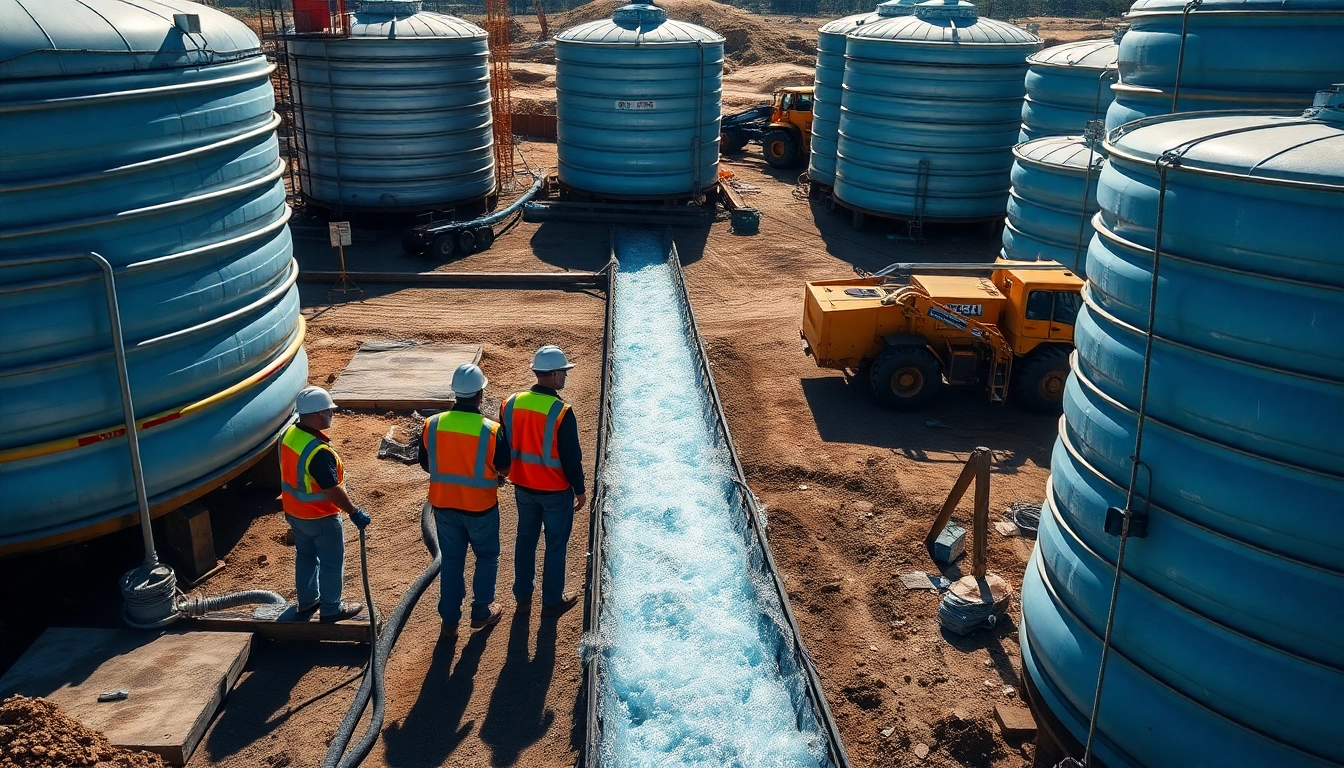
Industrial water transfer services encompass a range of processes designed to facilitate the movement of water from one location to another for industrial applications. This can involve the transportation of water for drilling operations, irrigation, cooling systems, or even wastewater management. Companies specializing in these services implement a variety of methods and equipment to ensure efficiency and reliability in water transfer, playing a critical role in industries such as oil and gas, manufacturing, agriculture, and construction.
Water is a vital resource for many industrial processes. Therefore, understanding the mechanisms of industrial water transfer services can help organizations optimize their operations, improve safety protocols, and enhance overall productivity.
Importance in Various Industries
The significance of industrial water transfer services varies across different sectors. In the oil and gas industry, for instance, water is necessary for hydraulic fracturing, where it is injected into wells at high pressure to extract hydrocarbons. Similarly, in the agricultural sector, water transfer is essential for irrigation, especially in arid regions where water scarcity can hinder crop production.
In manufacturing, many processes require the consistent supply of water, such as cooling machinery and facilitating chemical reactions. Construction industries rely on water transfers for dust suppression, concrete mixing, and site cleanup. Understanding the unique demands of each industry helps tailor water transfer solutions to meet those needs effectively.
Key Components of Effective Water Transfer
A successful industrial water transfer operation involves several key components, including:
- Infrastructure: Necessary storage tanks, piping systems, and pumps to transport large volumes of water.
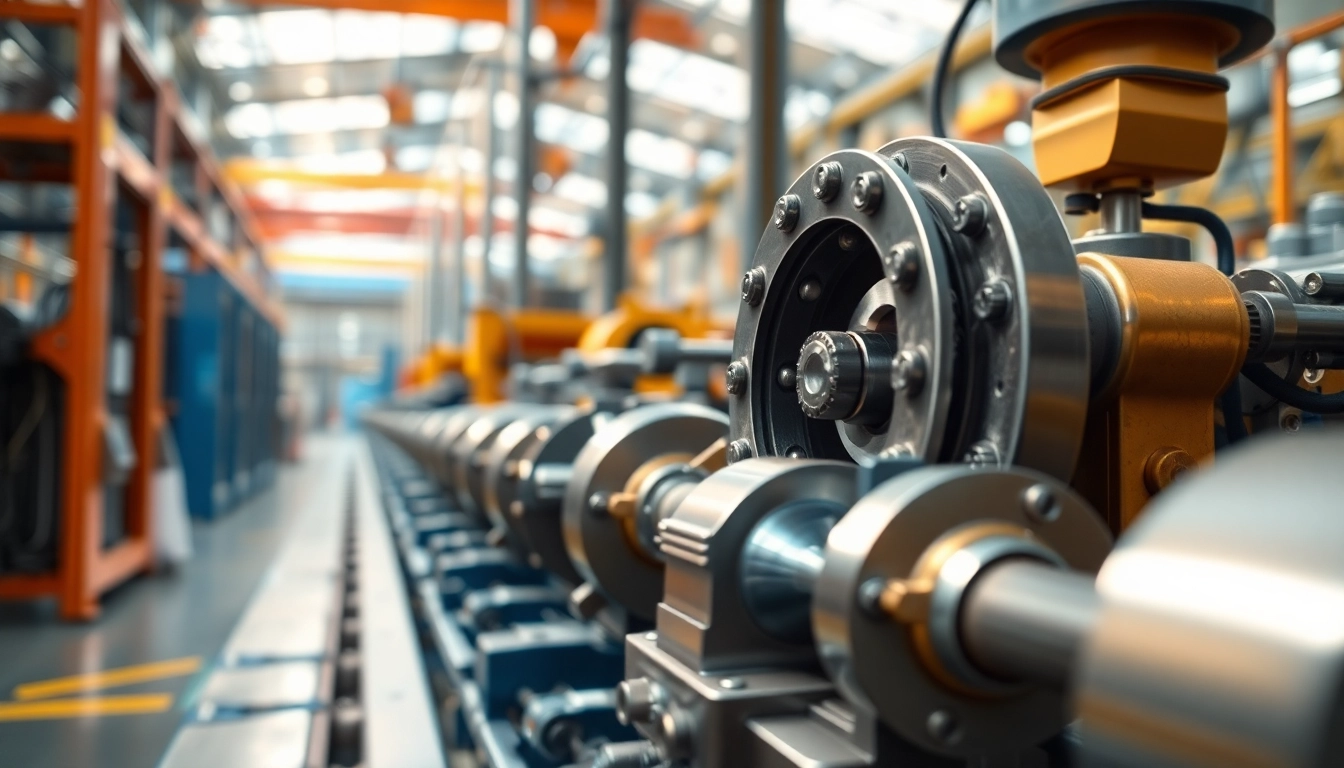
- Equipment: High-capacity pumps, transfer hoses, and fittings that are appropriate for the specific type of water being transferred.
- Personnel: Trained operators who understand the equipment and the safety protocols associated with water transfer services.
- Logistics: An effective planning system that coordinates the timing, routes, and methods of water transfer to minimize disruptions.
Best Practices for Safe Water Transfer
Planning and Preparation
Effective planning is the cornerstone of safe water transfer. It begins with a thorough assessment of the site and the transfer requirements. Companies should evaluate factors such as:
- Volume of water needed
- Transfer distance
- Site geography
- Seasonal weather conditions
Establishing a comprehensive plan that addresses these factors can help mitigate risks and optimize the water transfer process. Tabletop exercises simulating different scenarios can also be beneficial in identifying potential challenges and preparing effective responses.
Operational Safety Measures
Safety is paramount in water transfer operations. Implementing a robust safety protocol includes:
- Training: Employees should receive proper training on equipment handling and emergency procedures.
- Personal Protective Equipment (PPE): Ensuring all workers wear appropriate PPE, including gloves, helmets, and eye protection.
- Emergency Response Plans: Detailed plans should be in place to address potential leaks, equipment failures, or adverse weather impacts.
Regular safety drills enhance preparedness and can significantly reduce the risk of accidents during operations.
Regular Maintenance Checks
All equipment used in water transfer must undergo routine maintenance checks to ensure optimal performance and safety. Establishing a scheduled maintenance program enables companies to:
- Detect and address any wear and tear before it becomes critical.
- Ensure compliance with regulatory standards.
- Minimize downtime and potential financial loss due to equipment failure.
Documentation of maintenance activities also provides valuable insights into equipment performance over time, aiding in future decision-making regarding upgrades or replacements.
Innovative Technologies in Water Transfer
Automated Transfer Systems
With advancements in technology, automated transfer systems are becoming increasingly popular in the industrial water transfer space. These systems can significantly enhance efficiency by:
- Reducing the need for manual intervention, minimizing human error.
- Increasing the speed and accuracy of water movement.
- Allowing for real-time monitoring and adjustments based on current data.
Integrating automated systems also leads to cost savings over time, as they often require less maintenance and have improved reliability compared to traditional methods.
Remote Monitoring Solutions
Remote monitoring technologies enable real-time tracking of water transfer operations. Sensors and IoT devices can provide crucial data on:
- Flow rates
- Water quality
- Equipment health
Accessing this information remotely empowers managers to make informed decisions, respond quickly to issues, and perform preventative maintenance.
Data Analytics for Optimization
Data analytics plays a pivotal role in optimizing water transfer services. By analyzing historical and real-time data, companies can:
- Identify patterns that influence water usage.
- Forecast future water needs based on predictive models.
- Optimize routes and schedules to enhance efficiency.
Utilizing data analytics not only improves resource allocation but can also drive innovation within water transfer strategies.
Challenges in Industrial Water Transfer
Environmental Regulations Compliance
In many regions, environmental regulations govern the use and movement of water. Companies in the industry must comply with these regulations to avoid penalties and maintain operational licenses. Key considerations include:
- Understanding local, regional, and national environmental laws.
- Implementing practices that minimize the ecological footprint of water transfer operations.
- Regularly revising operational plans to stay compliant with evolving regulations.
Collaborating with environmental scientists can assist companies in ensuring compliance while also focusing on sustainability initiatives.
Overcoming Equipment Limitations
Equipment limitations can pose challenges, especially when dealing with large volumes of water or complex site conditions. To mitigate these issues:
- Invest in high-quality, robust equipment designed for specific applications.
- Regularly update technology to keep pace with advancements in water transfer practices.
- Implement backup systems to ensure continuity in operations in case of equipment failure.
Being proactive and judicious in equipment selection and maintenance can significantly enhance effectiveness in the field.
Addressing Human Error
Human error remains a leading cause of incidents in industrial settings. To address this challenge, companies should focus on:
- Creating a culture of safety where employees feel empowered to speak up about potential issues.
- Providing continual training and refreshers on best practices and safety protocols.
- Utilizing automation and technology to reduce the reliance on manual processes.
Fostering an environment that prioritizes awareness and education can play a vital role in reducing human error-related incidents.
Monitoring Performance Metrics in Water Transfer
Key Performance Indicators Explained
Monitoring performance metrics is crucial for assessing the efficiency and effectiveness of industrial water transfer services. Some key performance indicators (KPIs) include:
- Flow Rate: The volume of water transferred per unit of time, indicating operational efficiency.
- Downtime: The amount of time that the water transfer system is not operational due to maintenance or failures.
- Water Quality: Regular assessments of the transferred water’s quality to ensure suitability for its intended purpose.
Tracking these KPIs allows companies to quickly identify areas for improvement and implement strategies for increased performance.
Assessment Techniques and Tools
Employing effective assessment techniques is essential for a comprehensive evaluation of water transfer operations. Techniques may include:
- Performance Audits: Comprehensive reviews that evaluate the efficiency and safety of water transfer operations.
- Benchmarking: Comparing performance metrics against industry standards or best practices.
- Employee Feedback: Gathering insights from personnel involved in water transfer operations to identify challenges and recommend improvements.
Utilizing specialized assessment tools such as software for tracking performance data can also enhance the evaluation process.
Continuous Improvement Strategies
Continuous improvement is essential for maintaining competitive advantage in the industrial water transfer service sector. Strategies may involve:
- Regularly reviewing and updating processes based on technology advances and industry best practices.
- Setting measurable objectives and goals for efficiency improvement.
- Encouraging a culture of innovation where employees are motivated to propose enhancements.
Continuous improvement initiatives not only lead to operational efficiencies but also contribute to increased employee satisfaction and compliance with environmental measures.