
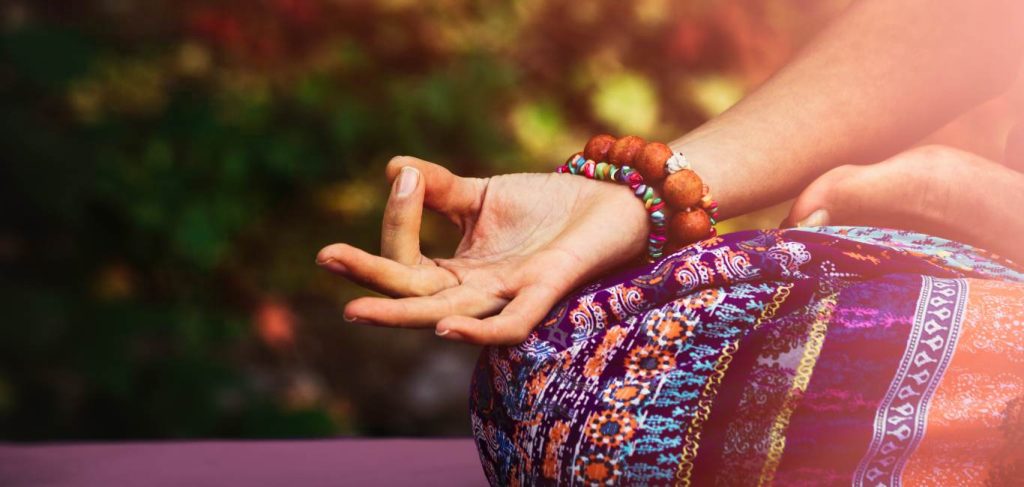
What are Yoga Mudras?
Definition and Background
Yoga Mudras are symbolic hand gestures or seals that are used in yoga and meditation practices. The term ‘mudra’ comes from Sanskrit, meaning “seal,” “gesture,” or “mark.” These gestures serve as tools to channel life force, or prana, throughout the body, affecting one’s physical and mental well-being. Mudras are an essential component of achieving deeper concentration and connecting with the spiritual self. For a comprehensive understanding of these gestures, you can explore more about Yoga Mudras.
Historical Significance of Yoga Mudras
The practice of Yoga Mudras is deeply rooted in ancient Indian traditions, with references found in sacred texts such as the Hatha Yoga Pradipika and the Gheranda Samhita. These texts emphasize the importance of establishing a connection between mind, body, and spirit through the use of hand gestures. In addition to yoga, mudras are also featured in various forms of Indian classical dance, rituals, and spiritual practices, illustrating their long-standing significance in Eastern philosophies.
How Yoga Mudras Work
Yoga Mudras work by creating and directing energy within the body. When specific fingers and thumb are joined in particular configurations, they influence the flow of prana through channels called nadis. Each gesture aims to activate, balance, or serenely guide the energies to specific parts of the body, mind, or spirit. This science of energy manipulation plays an essential role in enhancing focus and promoting a sense of well-being during meditation and yoga practice.
Types of Yoga Mudras
Hasta Mudras: Hand Gestures
Hasta Mudras are specific hand gestures that enhance the flow of energy. These mudras can be combined with breathing techniques to promote various states of mind. Some commonly practiced Hasta Mudras include:
- Gyan Mudra: With the tip of the index finger touching the tip of the thumb, it signifies knowledge and wisdom.
- Chin Mudra: Similar to Gyan Mudra but with palms facing up, aiding in meditation and realization.
- Shunya Mudra: The middle finger touches the base of the thumb, reducing anxiety and fostering inner peace.
Asana Mudras: Body Postures
Asana Mudras involve specific bodily positions that further enhance the flow of prana. These practices synchronize physical postures with mudras, providing a deeper connection between the body and mind. Notable Asana Mudras include:
- Padmasana: Lotus position, calming the mind while maintaining focus.
- Sukhasana: Easy pose, promoting relaxation and grounding.
Chakra Mudras: Energy Focus
Chakra Mudras are aimed at balancing and activating the body’s energy centers. Each mudra corresponds to one of the seven primary chakras, helping to release blockages and restore harmony. For example:
- Yoni Mudra: Helps in balancing the root chakra, enhancing feelings of safety and stability.
- Abhaya Mudra: Symbolizes protection and fearlessness, aligning with the heart chakra.
Benefits of Practicing Yoga Mudras
Physical Health Benefits
Practicing Yoga Mudras can yield a multitude of physical health benefits. Regular engagement can lead to improved circulation, respiratory health, and enhanced function of the organs. Specific mudras, like the Vayu Mudra, help in relieving gas and anxiety, while others, such as the Prithvi Mudra, provide stability and promote strength. As a holistic practice, Mudras align the body’s energy with its physical needs, establishing a more balanced physiology.
Mental Clarity and Focus
The mental benefits of Yoga Mudras are significant, as they enhance cognitive function, promote clarity, and support concentration. Techniques like Pranayama combined with specific mudras can calm the mind, reduce stress levels, and foster a greater sense of mindfulness. Over time, practitioners often report an elevated ability to focus on tasks, manage distractions, and connect with their inner selves while meditating.
Spiritual Growth and Awareness
On a spiritual level, Yoga Mudras facilitate deeper meditation and help practitioners tap into higher states of consciousness. By incorporating Mudras into meditation, individuals often experience profound insights, heightened awareness, and the potential for spiritual awakening. These gestures serve as a bridge connecting the tangible and intangible, offering pathways to explore one’s spirituality.
How to Incorporate Yoga Mudras into Your Routine
Daily Practice Techniques
To integrate Yoga Mudras seamlessly into your daily life, start small. Dedicate a few minutes each day to practice specific mudras. Choose a serene environment, sit comfortably, and begin with a simple gesture like Gyan Mudra or Chin Mudra. Strive for consistency, gradually increasing the duration spent in practice as you become familiar with the gestures.
Combining Mudras with Meditation
Blending Yoga Mudras with meditation enhances the overall experience. Use mudras that resonate with your intent during meditation—like Shambhavi Mudra for inner peace or Apana Mudra for grounding. Practice focusing on your breath while maintaining the chosen mudra, allowing the combination to deepen your meditative state and enrich your journey inward.
Guided Classes and Resources
Consider attending yoga classes that focus on Mudras or searching for online resources that provide guided sessions. Various platforms offer detailed tutorials on different types of Yoga Mudras, their applications, and the science behind them. These resources can deepen your understanding and facilitate more effective practice in your own time.
Frequently Asked Questions about Yoga Mudras
What is the origin of Yoga Mudras?
Yoga Mudras trace their origins to ancient Indian practices, found in key texts like the Hatha Yoga Pradipika and other classical yoga scriptures.
How many types of Yoga Mudras are there?
There are hundreds of Yoga Mudras, categorized into various types including hand gestures, body postures, and seals that focus energy.
Can anyone practice Yoga Mudras?
Yes, Yoga Mudras can be practiced by anyone, regardless of their experience in yoga, and can benefit both physical and mental health.
Are Yoga Mudras scientifically proven?
While many benefits are anecdotal, emerging studies indicate that Yoga Mudras may positively influence mental clarity, focus, and overall well-being.
How long should I practice Yoga Mudras?
Even a few minutes of daily practice can offer benefits. You can gradually increase your practice time as you become more comfortable with the gestures.