
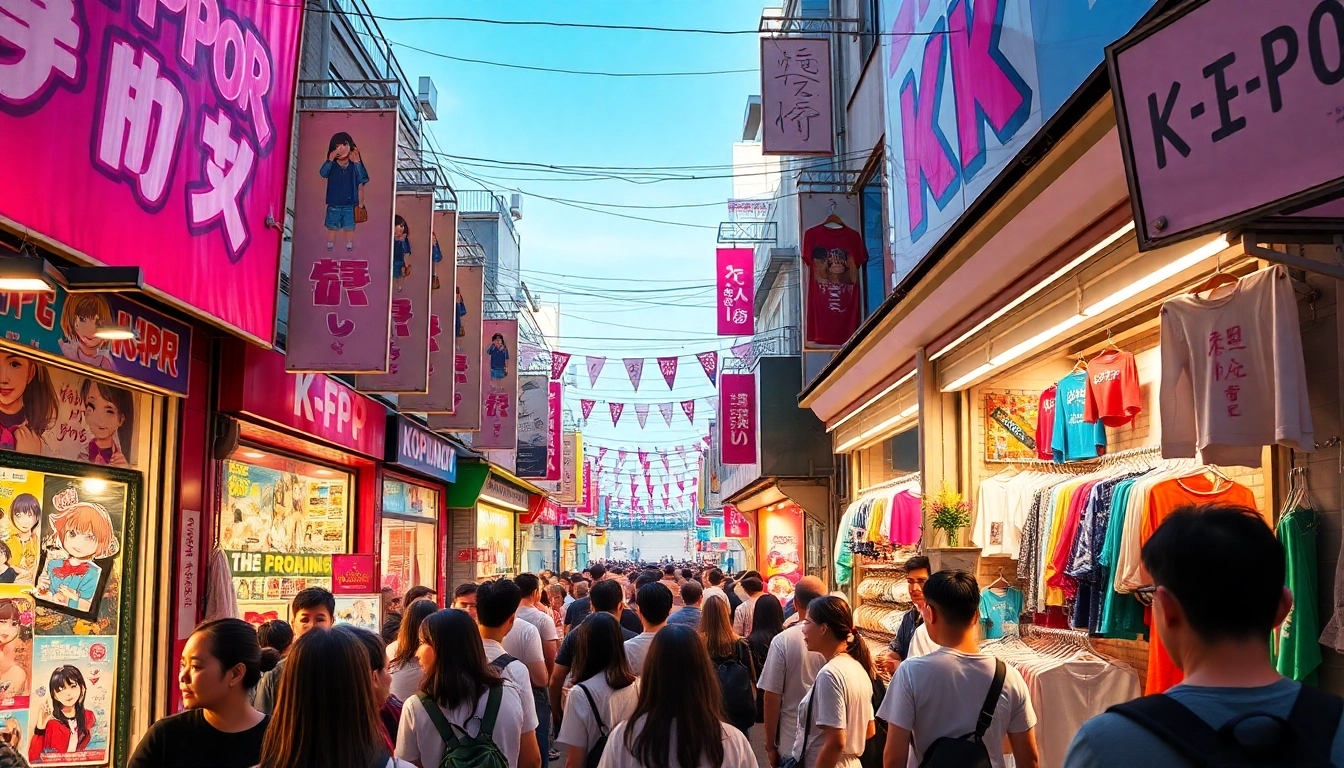
Understanding the K-Pop Phenomenon
Defining K-Pop and Its Global Appeal
K-Pop, an abbreviation for Korean Pop music, is not just a genre; it’s a multifaceted cultural phenomenon that has transcended national boundaries and carved a niche in the global entertainment industry. To define K-Pop is to explore its dynamic blend of music elements, fashion, choreography, and fan interactions. The genre gained international traction in the early 2000s, but it has become an unstoppable global wave today, with millions of dedicated fans spanning across continents.
The global appeal of K-Pop can largely be attributed to its alluring combination of catchy tunes, eye-popping visuals, and engaging live performances. Artists often recruit global influences, giving K-Pop a unique flavor that appeals to diverse audiences. Cultural references, innovative music videos, and the stunning aesthetics of K-Pop groups contribute to its attractiveness, allowing fans from different cultural backgrounds to find something relatable and exciting. This fusion has not only garnered an immense following but has also encouraged cross-cultural dialogues and exchanges.
Key Characteristics of the K-Pop Culture
K-Pop culture is characterized by a vibrant aesthetic that extends beyond music into various aspects of life and entertainment. One defining aspect is the intense training that idols undergo, often starting from a young age. This rigorous preparation includes vocal lessons, dance training, language skills, and media preparedness, culminating in polished performers known for their versatility.
Additionally, the concept of ‘idols’ creates a close-knit relationship between fans and artists. Idols often participate in variety shows, interviews, and various public appearances, cultivating an accessible image. This extensive presence on various platforms establishes a personal connection, enhancing fan loyalty. The use of extreme visual stylization—such as distinctive fashion choices and elaborate music videos—further cements the K-Pop identity, allowing for greater artistic expression.
Role of Social Media in K-Pop Popularity
Social media is a cornerstone of K-Pop’s success. Platforms such as YouTube, Twitter, and Instagram serve as the primary channels for marketing, engagement, and community building. Successful K-Pop agencies leverage these platforms to promote new music releases, share behind-the-scenes footage, and provide fans with a glimpse into artists’ daily lives.
The advent of social media has transformed how fans interact with their favorite artists and each other, promoting a more interactive and participatory culture. Hashtags, challenges, and trending topics often stir conversations among fans, fostering a sense of community. Furthermore, social media allows fans to participate in promotional campaigns, meaning that their enthusiasm and engagement become essential to the success of the artists they support.
Building a K-Pop Fan Community
Strategies for Community Engagement
Building a fan community is crucial for sustaining the K-Pop phenomenon. Successful fan engagement strategies start with creating inclusive environments where fans can connect and share their love for K-Pop. Organizing local meetups, online discussions, and fan art contests can foster camaraderie among fans while also encouraging creativity.
Another effective strategy is to utilize fan groups on social media platforms. These groups serve as spaces for discussions, sharing news, and collaborating on projects or fan events. Regularly updating these spaces with new content, polls, and fan challenges can keep the community active and engaged. It also helps to spotlight fan contributions, nurturing a sense of ownership and belonging that keeps members motivated.
Leveraging Online Platforms on https://www.kpopangel.com
The rise of online platforms has revolutionized fan engagement strategies. A site like https://www.kpopangel.com can act as a central hub for K-Pop fans. Through dedicated forums, news articles, and blogs, the website can serve as a platform for discussion, debate, and camaraderie among fans. Creating discussion boards where members can share their opinions on music releases or upcoming events can boost participation.
Furthermore, hosting contests related to fan activities or K-Pop trivia can also keep the community engaged. Gamifying community interaction by rewarding members with rankings or points for contributing can add to the excitement, encouraging more participation. Additionally, incorporating user-generated content into the website can create a more vibrant and authentic fan experience.
Hosting Fan Events and Activities
Physical and virtual fan events play a significant role in binding the community together. Events such as themed parties, K-Pop dance competitions, or music listening parties serve as fantastic opportunities for fans to gather and share their interests. Implementing well-structured fan events can provide fans with memorable experiences and attract new individuals interested in K-Pop.
For those unable to meet in person, virtual events also present a splendid alternative. Live-streamed events featuring Q&A sessions with influencers or creators, online concerts, and virtual game nights can cultivate community bonds regardless of geographical constraints. Moreover, as participation in these events grows, so does the potential for partnering with fan-led initiatives, creating a larger network of collaboration and support.
Content Creation for K-Pop Enthusiasts
Types of Content That Resonate with Fans
Content creation is essential for maintaining interest within the K-Pop community. Different types of content resonate well with fans, ranging from music analysis, album reviews, and news updates to fan art showcases and personal testimonials. Each type serves a specific purpose, engaging different aspects of the K-Pop experience.
In-depth analysis pieces, for instance, allow certain fans to delve deeper into the underlying themes of songs or the cultural implications of music videos. These articles can stimulate conversation and promote a greater understanding of the genre. On the other hand, fan blogs that share personal stories about how K-Pop has influenced lives can create emotional connections, inspiring readers to share their own experiences.
Utilizing Visuals and Multimedia
The importance of visuals in K-Pop cannot be overstated. Engaging multimedia content—such as visually appealing infographics, music video analyses, and striking photo sets—can greatly enhance reader experience. For fans, visuals act as an engaging method to digest content more easily, drawing attention while disseminating information effectively.
Additionally, integrating video content, such as reaction videos or performance breakdowns, can diversify the content being shared. Readers are more likely to engage with interactive elements like polls, quizzes, or challenges that incorporate visuals, making for a more vibrant community atmosphere. Encouraging fans to create their own videos in response to various prompts can organically promote more user-generated content, further enhancing community dynamics.
The Importance of Interactive Content
Interactive content plays a pivotal role in engaging K-Pop enthusiasts. Polls, quizzes, and even fan-made challenges allow for active participation, bridging the gap between content and audience. By letting fans contribute their own perspectives or answers, it enhances their connection to both the genre and the community.
Interactive elements such as fan voting for favorite songs or artists can provide insights into fan preferences and popular trends, which can, in turn, inform future content creation strategies. Moreover, when fans see their opinions reflected in the content on platforms like https://www.kpopangel.com, they are more inclined to return and participate, creating a thriving ecosystem of ongoing engagement and interaction.
Transforming K-Pop Passion into Action
Opportunities for Merchandise and Collaborations
The K-Pop industry has an immense market for merchandise, which presents opportunities for fan communities to engage meaningfully. From official merchandise sold by entertainment companies to handmade fan art items that showcase creativity, avenues for fans to operate within the commerce space are abundant. Engaging fans in merchandise discussions can lead to unique product ideas and partnerships.
Collaboration with local artists, designers, and craftspeople can unlock potential merchandise opportunities that resonate with fans. Encouraging fan-driven initiatives that highlight local businesses in the realm of K-Pop merchandise can foster community spirit and create new revenue streams for both fans and creators. It’s a win-win that also stimulates local economies and emphasizes K-Pop’s global reach.
Engaging with Artists and Labels
Connecting with K-Pop idols and agencies can provide fans with direct channels to support their favorite artists. Community-organized campaigns or petitions directed towards labels for specific requests—like arranging fan meetings or regional concerts—demonstrate organized fan engagement beyond passive consumption.
Moreover, encouraging collaborations between fans and artists—such as through songs or performances—can yield meaningful interactions and active engagement. Participating in fundraisers or charity events organized by artists can help bridge the gap between fans and their idols, further deepening the connection and sense of purpose within the community.
Supporting K-Pop Charitable Initiatives
One of the most impactful ways to channel K-Pop passion is through supporting charitable causes. Many K-Pop artists promote social issues, and communities can organize fundraising events, awareness campaigns, or even collaborative projects that directly align with these causes. This approach reinforces the community’s commitment to making a positive difference.
Collaborating with other fandoms to support diverse causes not only increases visibility but fosters a sense of unity in the pursuit of common goals. Charitable initiatives can take multiple forms, whether through donation drives, volunteer work, or awareness campaigns on social media. Engaging in these activities promotes community building while demonstrating the power of K-Pop fandom in contributing to society.
Measuring Success in K-Pop Engagement
Key Performance Indicators to Track
To effectively gauge the success of K-Pop engagement initiatives, defining clear Key Performance Indicators (KPIs) is essential. Metrics such as community growth rates, interaction levels on posts, engagement rates in polls, and participation in events provide valuable insights into how well the community is thriving.
Surveys and feedback forms can also serve as important tools in measuring satisfaction and determining the interests of community members. Analyzing data surrounding engagement allows for continuous improvements in content strategy and community-building efforts, keeping the objective clear and focused.
Analyzing User Feedback and Trends
Regularly analyzing user feedback is vital for adjusting strategies and improving engagement outcomes. Feedback from fans can provide tangible insights into what they enjoy and what can improve. This could involve direct communication through comment sections, social media interactions, or structured feedback forms.
Tracking trends within the K-Pop landscape, such as song popularity, artist appearances, or emerging topics, allows the community to stay relevant and produce content that resonates with current interests. Engaging with analytics tools to interpret patterns helps unlock deeper understandings of the community’s dynamics.
Adapting Strategies Based on Insights
Success in K-Pop engagement lies in the ability to adapt and iterate strategies based on user insights and trends. Flexibility in approach means that communities can quickly pivot when certain strategies resonate or fall short. Utilizing user feedback as a compass will lead to enhanced interactions and a more robust community space.
Experimenting with new types of content, hosting different kinds of events, and engaging with diverse methods of interaction enable communities to continually evolve. The ability to embrace change shows responsiveness to fans’ needs and preferences, ensuring that the K-Pop passion remains vibrant and active.