Introduction to Universal Rail
What is Universal Rail?
Universal Rail refers to a standardized and flexible rail system designed to facilitate efficient transportation across various regions and modes of transport. It encompasses a range of infrastructure components, operational strategies, and technological innovations to create an optimized rail transport network. By focusing on interoperability and adaptability, universal rail systems can cater to diverse population needs and geographical challenges.
The Importance of Rail Systems
Rail systems play a crucial role in the global transportation landscape. They are vital for moving goods and passengers efficiently, reducing congestion on roads, and minimizing environmental impacts. Rail networks are often more energy-efficient than other forms of transport, leading to lower greenhouse gas emissions per ton-mile. Furthermore, as urbanization continues to rise, the need for effective rail systems becomes ever more pressing, facilitating connectivity in densely populated areas while also opening routes to rural communities.
Global Adoption and Trends
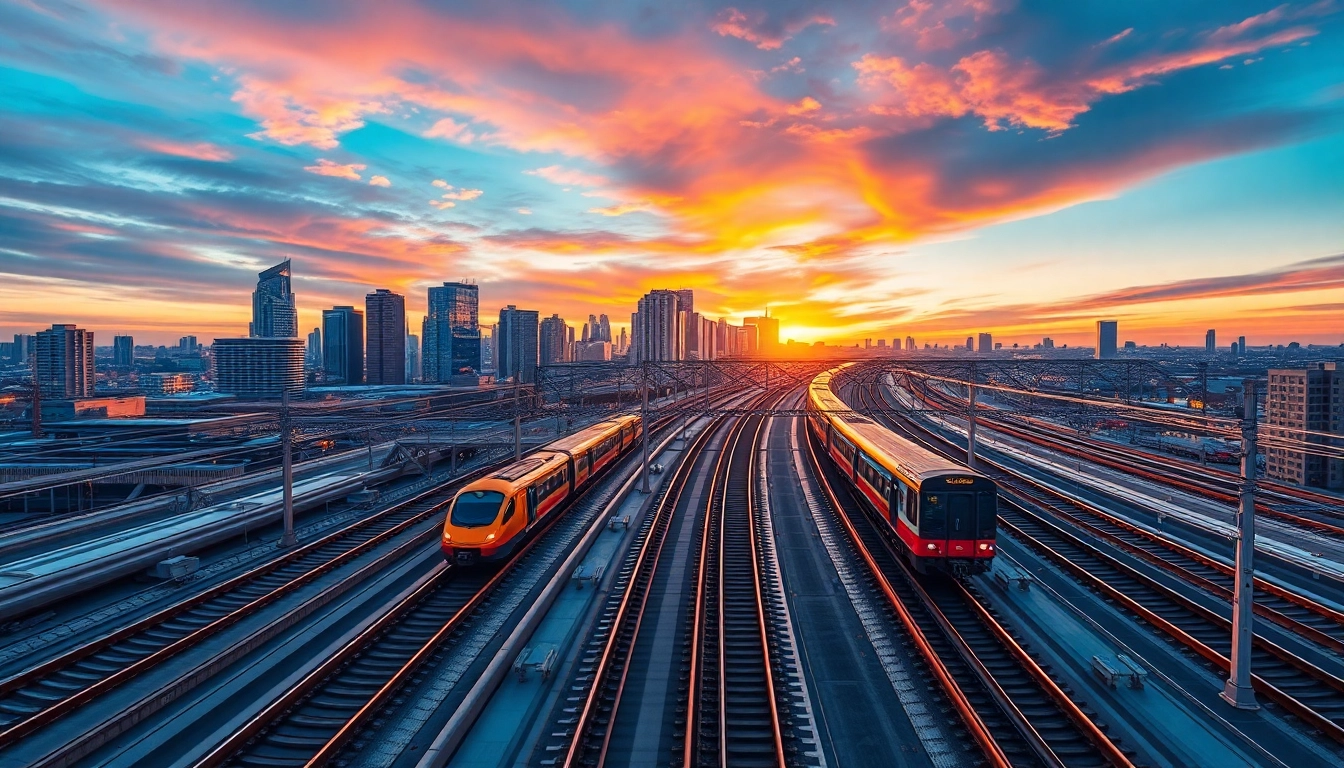
Over recent years, there has been a surge in the adoption of rail systems worldwide, driven by economic globalization and urbanization trends. Countries are increasingly investing in their rail infrastructure, adopting modern technologies, and exploring high-speed rail options. The integration of digital solutions such as smart ticketing and real-time tracking further fuels this growth. As nations shift toward sustainable transport solutions, rail systems remain focal points for enhancing capacity and efficiency.
Benefits of Universal Rail Systems
Cost Efficiency in Operations
Implementing universal rail systems can yield substantial cost savings in logistics and transport. Railways can move large volumes of cargo with lower operational costs per mile compared to road transport. Additionally, the ability to standardize rail gauges and rolling stock can reduce maintenance and operational expenses. This efficiency leads not only to a more sustainable model of transportation but also promotes competitive pricing in various industries reliant on logistics.
Environmental Impact of Rail Transport
One of the most significant benefits of universal rail systems is their positive environmental impact. Rail transport is known for reducing carbon emissions substantially compared to road vehicles. It utilizes less energy per passenger or ton transported, which makes it a more environmentally friendly option. With advances in electric trains and regenerative braking technology, the potential for minimizing ecological footprints continues to grow, aligning with global sustainability goals.
Enhanced Safety Features
Safety is paramount in transportation, and rail systems offer distinct advantages in this regard. Modern rail systems are equipped with advanced safety features such as automatic braking systems, collision avoidance technologies, and real-time monitoring systems. These innovations help mitigate accidents and enhance the overall safety of operations. Additionally, rail transport experiences fewer fatalities compared to road transport, reinforcing rail as a safer alternative for both freight and passengers.
Designing an Effective Universal Rail Network
Key Components of a Rail System
An effective universal rail network comprises several critical components, including tracks, signaling systems, rolling stock, and stations. Each element must be designed to accommodate the specific demands they will face. The integration of passenger amenities alongside cargo facilities is vital for maximizing the utility of stations, ultimately fostering an environment conducive for transit-oriented development.
Infrastructure Development Considerations
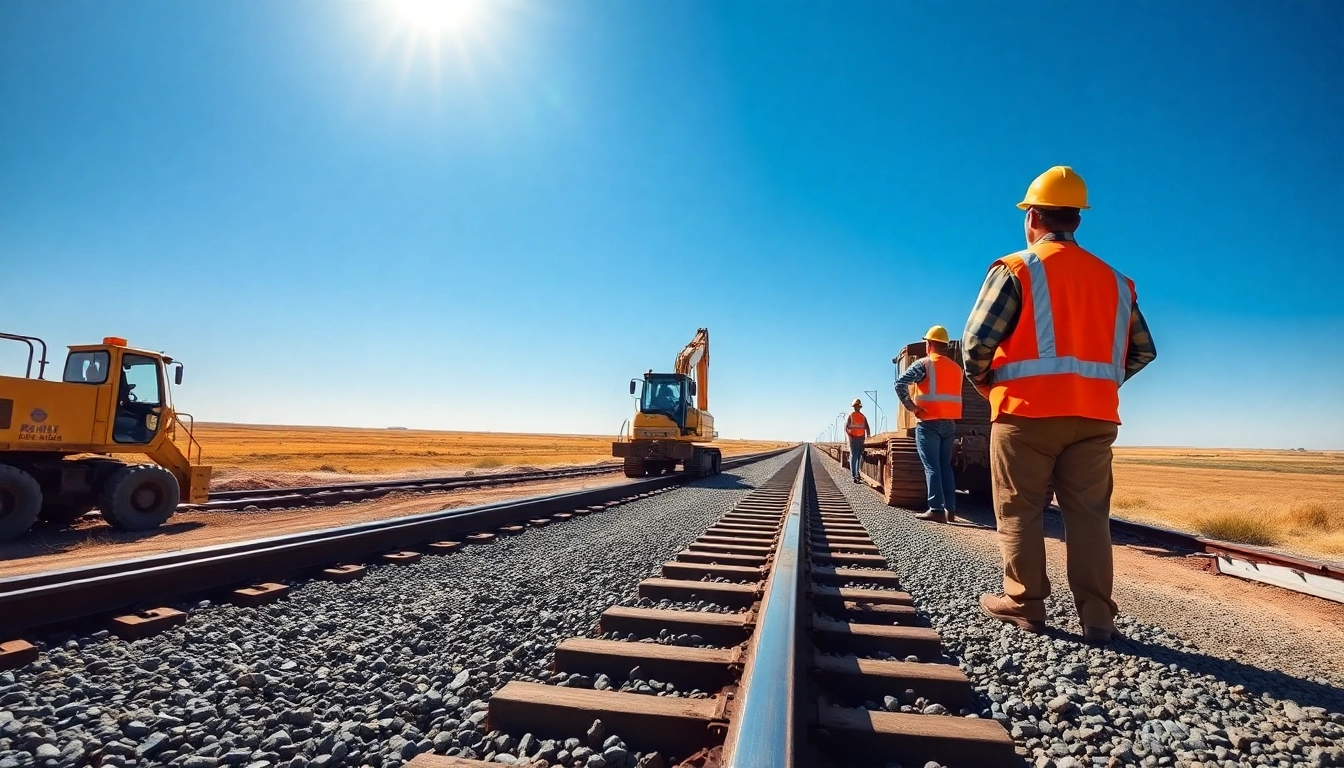
When developing rail infrastructure, several factors must be considered, ranging from geographical landscapes to urban zoning laws. Engineers and planners must assess land use patterns, population density, and environmental impact while ensuring scalability for future expansions. Investments in durable materials and construction practices can further enhance the lifespan and functionality of rail components, providing value for years to come.
Technological Integration in Rail Operations
Technology plays a transformative role in rail operations, driving efficiency and enhancing passenger experiences. Implementation of smart technologies, like IoT devices for real-time data monitoring and predictive maintenance, can significantly reduce downtime. Furthermore, the integration of advanced ticketing systems and mobile applications enhances user experiences, streamlining fare collection and providing travel information almost instantaneously.
Best Practices for Implementing Universal Rail
Project Planning and Management
Successful implementation of universal rail systems starts with rigorous project planning and management. Stakeholders must establish clear objectives, timelines, and budgetary constraints. Engaging with experts in project management ensures adherence to best practices, fosters collaboration across disciplines, and mitigates risks associated with large-scale infrastructure projects.
Stakeholder Engagement Strategies
Involving stakeholders from the outset is vital for achieving buy-in and fostering support for rail projects. This can include hosting public consultations, forming advisory groups with industry experts, and establishing partnerships with local governments. Effective communication and transparency throughout the planning and implementation stages help build trust and gather valuable insights to refine project objectives.
Monitoring and Evaluation Techniques
Monitoring and evaluating the performance of universal rail systems is essential for ensuring ongoing effectiveness. Utilizing key performance indicators (KPIs) such as ridership numbers, on-time performance rates, and customer satisfaction scores can provide valuable feedback. Implementing an iterative process for assessment allows for continuous improvements in operations, ultimately benefiting both service providers and passengers.
Future of Universal Rail Transport
Innovations on the Horizon
The future of universal rail transport is poised for growth, driven by technological innovations. Advancements in artificial intelligence, automation, and energy efficiency will propel the industry forward. The movement towards autonomous trains and the expansion of electrified rail networks promise to revolutionize speed and sustainability, marking a new era in rail transport.
Global Case Studies of Universal Rail Success
Learning from global case studies can provide invaluable insights into the successful implementation of universal rail systems. Locations that have embraced high-speed rail and integrated public transport demonstrate how strategic investments can lead to enhanced connectivity and economic growth. These examples serve as benchmarks for aspiring rail systems, highlighting best practices and innovative approaches.
Barriers and Solutions for Further Development
Despite the benefits, several barriers hinder the development of universal rail. Challenges include securing funding, navigating regulatory landscapes, and overcoming public resistance. To address these, stakeholders can focus on collaborative funding approaches, clear regulatory frameworks, and public education campaigns to advocate for the long-term benefits of rail transport, paving the way for future expansions.
Frequently Asked Questions
What are the main advantages of using universal rail systems?
Universal rail systems offer cost efficiency, greater safety, and reduced environmental impacts compared to other transport modes.
How do rail systems contribute to sustainability?
Rail systems reduce greenhouse gas emissions significantly when moving goods and passengers, making them a sustainable transport option.
What technology advancements are shaping future rail transport?
Innovations such as AI, automation, and electrification are crucial in enhancing efficiency and sustainability in rail transport.
How can stakeholders ensure the success of rail projects?
Successful projects involve thorough planning, stakeholder engagement, and ongoing monitoring to continually adapt and improve operations.
What challenges do rail systems face today?
Challenges include funding acquisition, regulatory hurdles, and public opposition, requiring collaborative solutions to overcome effectively.