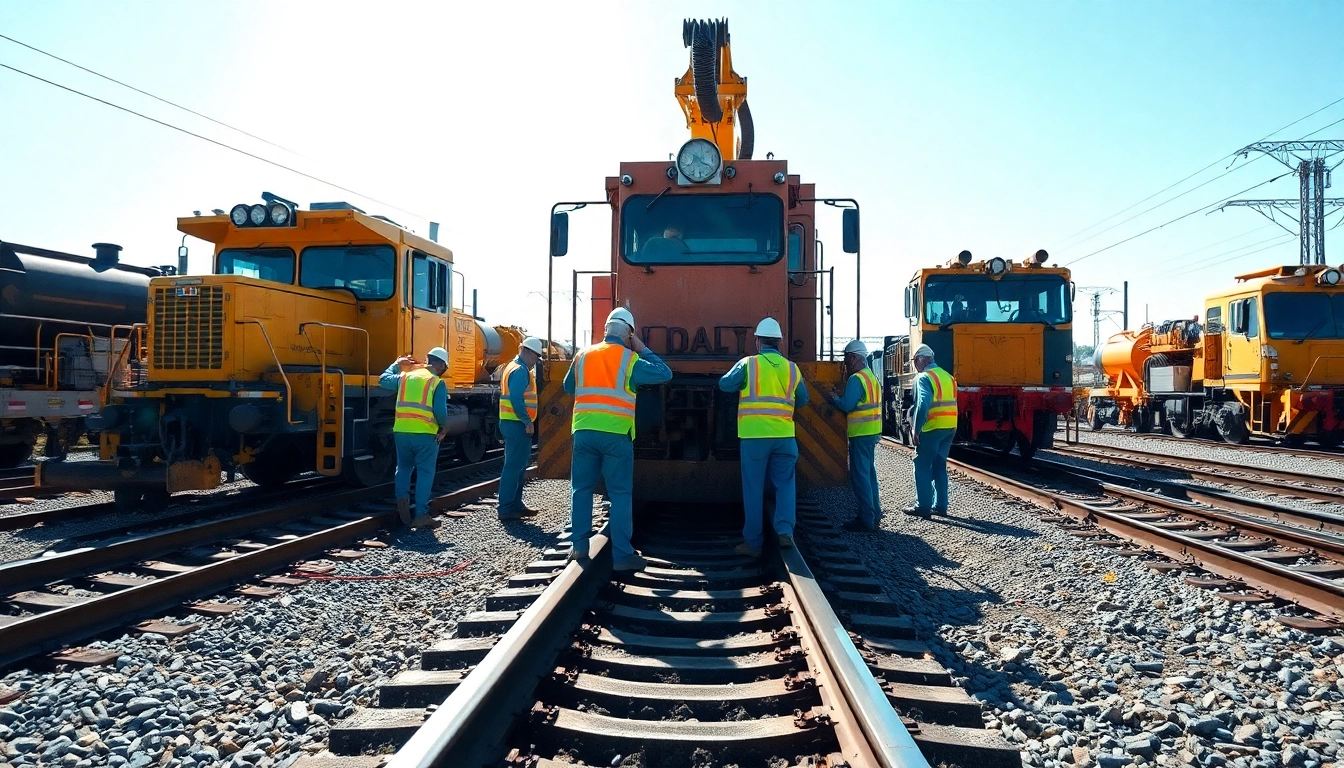
Understanding Structural Steel Fabrication
Structural steel fabrication is a vital process in the construction and manufacturing industries, encompassing the transformation of raw materials into functional and efficient structural components. Whether for residential or commercial buildings, the precision and quality of structural steel fabrication can significantly influence the integrity and durability of various projects. In this guide, we dive deep into the intricacies of structural steel fabrication, detailing its processes, applications, and the key factors that define its success.
What is Structural Steel Fabrication?
Structural steel fabrication refers to the comprehensive process of preparing, cutting, bending, and assembling steel into the specific shapes and sizes needed for construction purposes. This involves not only manipulation of raw steel but also ensuring that the final products meet specific design and engineering standards. Fabrication can involve steel beams, columns, plates, and other structural elements designed to withstand various loads and environmental conditions.
The Fabrication Process Explained
The fabrication process typically involves several key steps:
- Design & Engineering: This initial phase involves engineers creating detailed designs based on project specifications and structural requirements.
- Material Procurement: Once designs are finalized, the necessary materials are sourced, often including various grades of steel.
- Cutting: Structural steel pieces are cut to precise dimensions using various methods, as discussed in later sections.
- Bending and Forming: Depending on the project requirements, steel may need to be bent or formed into specific shapes.
- Welding and Assembly: Pieces are welded together or assembled using other joints to create the final structural components.
- Surface Treatment: To enhance durability, finished products are often coated or treated to prevent rust and corrosion.
Common Applications of Structural Steel
Structural steel finds its application in numerous industries due to its strength, versatility, and durability. Common uses include:
- Commercial Buildings: Office buildings, shopping centers, and hotels utilize structural steel for frameworks.
- Infrastructure: Bridges, highways, and railroads rely heavily on robust structural steel components.
- Industrial Facilities: Factories and warehouses often employ structural steel for long-span designs and load-bearing walls.
- Residential Homes: Increasingly, architects are incorporating structural steel in residential designs for versatility and aesthetic appeal.
Key Techniques in Structural Steel Fabrication
Advanced Cutting Methods
The cutting phase is critical in the fabrication process. Various advanced cutting techniques ensure precision and efficiency:
- Laser Cutting: This highly precise method utilizes focused laser beams to cut through steel, resulting in clean edges and minimal waste.
- Waterjet Cutting: Employing high-pressure streams of water mixed with abrasive materials, this method is effective for intricate designs without thermal distortion.
- Saw Cutting: Traditional yet effective, saw cutting uses circular or band saws for straightforward cuts in larger steel pieces.
Welding Techniques: An Overview
Welding is an essential technique in structural steel fabrication. Different types of welding processes are employed, including:
- MIG Welding: MiG (Metal Inert Gas) welding is popular for its versatility and speed, making it suitable for various steel thicknesses.
- TIG Welding: This process provides a high-quality finish for thinner materials and allows for precise control but is generally slower.
- Stick Welding: Commonly used for outdoor applications, this method is suitable for thicker materials and offers excellent penetration.
Bending and Forming Processes
Bending and forming are crucial for creating specific shapes required in architectural designs. Techniques include:
- Press Braking: Using large machines, steel sheets can be bent into accurate angles and shapes to meet design specifications.
- Roll Bending: This method is commonly used for creating curves and spirals in steel plates and sections.
- Section Bending: Specifically used to bend structural beams and channels, this method ensures uniformity in the final product.
Market Insights and Trends
Current Trends in Structural Steel Fabrication
Structural steel fabrication continues to evolve, influenced by market demands and technological advancements. Key trends include:
- Automation: The integration of robotics and automated systems is on the rise to improve production speed and consistency.
- Green Practices: With increasing emphasis on sustainability, the industry is shifting towards recycling materials and reducing energy consumption.
- Digital Fabrication: The advent of CAD and other digital tools allows for greater precision in design and fabrication processes.
Market Growth Projections
The structural steel fabrication market is poised for significant growth. Reports indicate that the market, which was valued at approximately USD 87.6 billion in 2024, is projected to increase to nearly USD 120.8 billion by 2031, driven by rising construction activities and infrastructure projects.
Emerging Technologies in Fabrication
As we move deeper into the 21st century, new technologies are emerging to revolutionize structural steel fabrication, such as:
- 3D Printing: While still in its infancy in structural applications, 3D printing offers the potential for rapid prototyping and custom designs.
- Augmented Reality (AR): AR can assist in training and visualization, allowing fabricators to see final designs overlaid in the real world before actual construction.
- IoT Integration: The Internet of Things (IoT) promises improved monitoring and maintenance of fabrication equipment, leading to fewer downtimes and higher efficiencies.
Choosing the Right Fabrication Partner
Qualifications to Look For
Selecting an ideal fabrication partner is essential for ensuring quality and timely delivery. When evaluating potential fabricators, consider the following qualifications:
- Certifications: Ensure the company holds relevant industry certifications, such as ISO 9001, which indicates a quality management system is in place.
- Experience: A proven track record in similar projects can be indicative of the fabricator’s capability.
- Technical Expertise: Ensure the team possesses technical skills in advanced fabrication methods and technology.
Evaluating Fabrication Companies
When evaluating fabrication companies, consider the following criteria:
- Portfolio: Review their past projects to gauge quality and scope. A good portfolio demonstrates a range of capabilities.
- Client Testimonials: Feedback from previous clients can provide insights into the company’s reliability, communication, and quality of work.
- Facility Visits: If feasible, visit their fabrication facility to observe their processes and equipment in action.
Cost Considerations and Estimates
Cost is a critical factor when choosing a structural steel fabrication provider. Here are some considerations:
- Material Costs: Prices for steel can fluctuate based on various factors, including market demand and source.
- Labor Costs: Skilled labor tends to increase project costs, but investing in quality can mitigate future risks.
- Project Complexity: More complex designs will require additional resources, impacting overall cost structures.
Best Practices in Structural Steel Fabrication
Quality Control Measures
Implementing stringent quality control measures is essential for ensuring the structural integrity of the final product. Key practices include:
- Regular Inspections: Conduct routine inspections throughout the fabrication process to catch any issues early.
- Testing: Non-destructive testing techniques, such as ultrasonic testing, can be employed to identify potential flaws in welded joints.
- Documentation: Maintain thorough documentation of processes, inspections, and changes to ensure accountability and traceability.
Safety Standards in the Industry
Safety is paramount in structural steel fabrication. Adhering to safety standards helps protect workers and ensures compliance with regulations:
- Training: Continuous training programs should be provided, emphasizing safe handling and operation of machinery.
- Protective Gear: Ensure that all workers wear appropriate personal protective equipment (PPE) to mitigate hazards.
- Site Safety Plans: Develop comprehensive site safety plans that comply with OSHA regulations and other local standards.
Sustainable Practices in Steel Fabrication
In light of growing environmental concerns, the structural steel fabrication industry is increasingly adopting sustainable practices:
- Recycled Materials: Utilizing recycled steel significantly reduces the environmental impact compared to using new steel.
- Energy Efficiency: Implementing energy-efficient machinery can lower utility costs and reduce carbon footprints.
- Sustainable Sourcing: Working with suppliers who prioritize sustainability in their operations is crucial for minimizing overall impact.