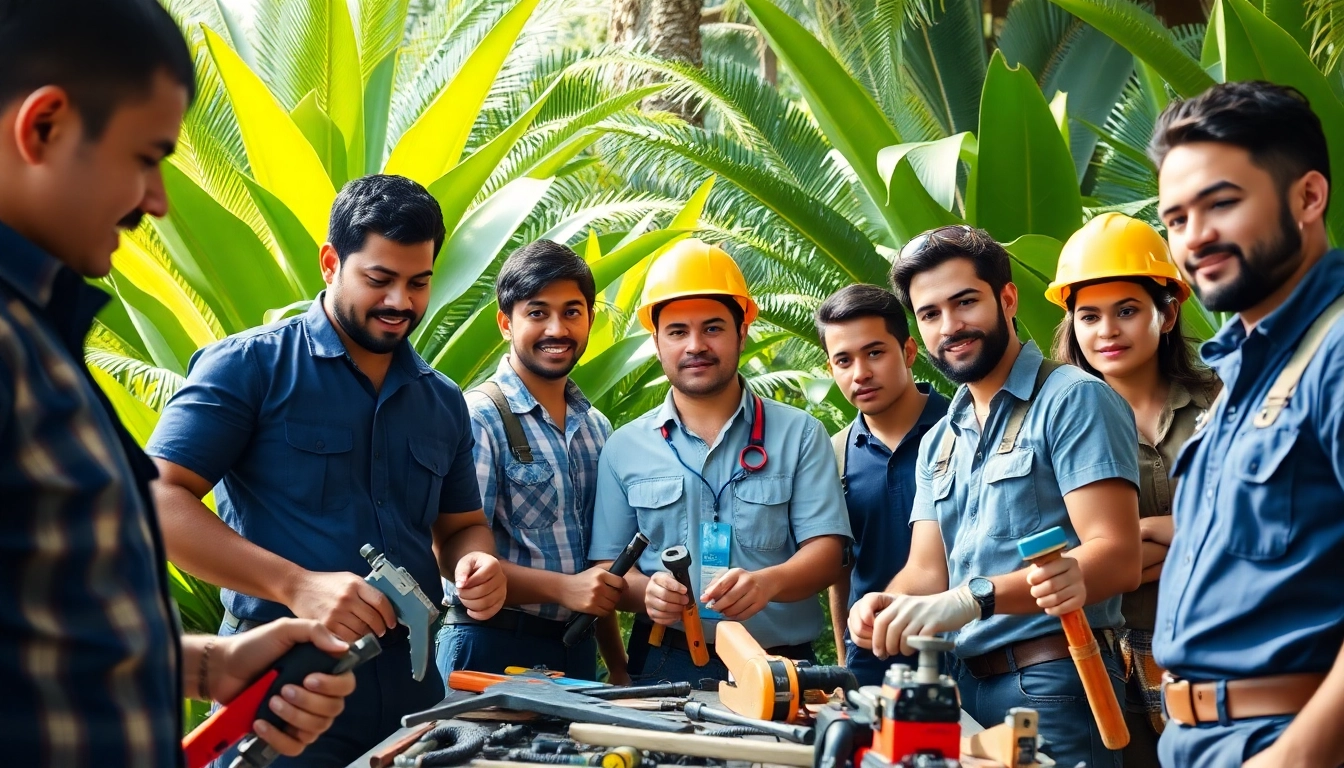
Understanding Trade Schools in Hawaii
Trade schools, also known as vocational schools, offer specialized training and education tailored for specific careers. In Hawaii, these schools play a crucial role in equipping students with the hands-on experience and knowledge necessary to thrive in high-demand industries. From healthcare to construction, the valley of opportunities beckons aspiring professionals. For those considering a career shift or aiming to acquire new skills, exploring trade schools in Hawaii can be a transformative step toward achieving their career goals.
What are Trade Schools?
Trade schools focus on providing practical training in specific trades, such as plumbing, electrical work, automotive technology, culinary arts, and healthcare services. Unlike traditional four-year colleges, these institutions often offer shorter programs that can lead to certifications, diplomas, or associate degrees. The curriculum typically includes a combination of classroom instruction and hands-on practice through apprenticeships or lab work, enabling students to acquire skills that are directly applicable in the workplace.
The Importance of Vocational Training
Vocational training is essential for several reasons. Firstly, it addresses the skills gap prevalent in many industries. Employers often seek skilled workers who can hit the ground running, and vocational training provides that by focusing on practical skills rather than theoretical knowledge alone. Secondly, it allows individuals to enter the workforce faster than traditional academic paths, with many programs ranging from a few months to two years. This speed is vital in today’s fast-paced job market, particularly in Hawaii, where certain industries, such as tourism and health services, rely heavily on qualified professionals.
Key Industries for Trade Skills in Hawaii
Hawaii’s unique economy supports a variety of industries that are in constant need of skilled labor. These include:
- Construction: With ongoing infrastructure projects and growth in housing, trades like carpentry and electrical installation are essential.
- Healthcare: There is a high demand for healthcare professionals, particularly in nursing and emergency medical services.
- Hospitality and Culinary Arts: The state’s thriving tourism sector creates a constant need for chefs, hotel management, and service staff.
- Marine and Aviation: With Hawaii’s strategic location, there is a significant focus on maritime trades and aviation-related skills.
Popular Trade Schools in Hawaii
Honolulu Community College Programs
Honolulu Community College (HCC) is one of the leading institutions for vocational training in Hawaii. HCC offers various programs in applied trades, including electrical installation, carpentry technology, and welding. Their curriculum is designed to meet industry needs, ensuring that graduates leave with relevant skills. Many programs also feature cooperative education experiences, allowing students to gain real-world insights and connections before graduation.
Hawaiian Trades Academy Overview
The Hawaiian Trades Academy provides a comprehensive training experience that encompasses both technical skills and cultural enrichment. Focused on uplifting the native Hawaiian community, the academy designs its programs to include financial empowerment and job readiness training, making it a unique option for those looking for more than just job placement. Their hands-on training is coupled with mentorship from industry professionals, ensuring students receive personalized guidance throughout their educational journey.
Vocational Training Options in Rural Areas
Rural areas in Hawaii often have limited access to trade schools, which can make it challenging for residents to pursue vocational training. However, institutions like the Hawaii Community College offer online and distance learning options, making it feasible for students in more remote areas to receive training. Additionally, partnerships with local industries can lead to pop-up training sessions or mobile training units that bring education directly to communities in need.
Costs and Financial Aid for Trade Schools
Tuition Breakdown: Private vs. Public Trade Schools
Understanding the cost of tuition is imperative for students considering trade school. Private trade schools in Hawaii average between $15,000 to $30,000, depending on the program and duration. In contrast, public trade schools typically offer more affordable options, with tuition ranging from $6,000 to $12,000. Students should carefully evaluate the potential return on investment for their chosen program, considering factors such as job placement rates and average salaries for graduates.
Financial Aid Opportunities in Hawaii
Financial aid plays a crucial role in making trade education accessible. Students can take advantage of federal financial aid programs, including Pell Grants and Federal Direct Loans. Many schools also have their scholarships, which are specifically targeted at vocational programs. Additionally, state aid programs may be available to support students pursuing careers in high-demand job sectors, further alleviating the financial burden.
Scholarships and Grants for Aspiring Students
Numerous scholarships and grants are tailored for students entering trade schools in Hawaii. For instance, the Hawaii Community Foundation offers various scholarships aimed at vocational and technical education. Many industry associations also provide financial support for students who commit to working in certain trades after graduation. By researching scholarship opportunities, students can reduce their educational costs significantly and focus more on their training.
Career Paths Post-Trade School Graduation
High-Demand Trades and Job Forecasts
Graduates of trade schools in Hawaii are entering job markets that are often ripe with opportunities. High-demand trades include healthcare workers, electricians, and licensed plumbers. According to industry reports, the job market for skilled trades is expected to grow significantly over the next decade, particularly in healthcare and construction, largely driven by population growth and infrastructure development.
Typical Salaries for Trade Professionals in Hawaii
Salaries for trade professionals vary depending on their specialization, experience, and location within Hawaii. In general, trades such as welding and electrical work see average annual salaries ranging from $50,000 to $70,000. Healthcare professionals, particularly registered nurses, can earn considerably more, often exceeding $80,000 annually. Understanding potential earnings helps students align their educational pathways with their financial goals.
Networking and Job Placement Resources
Many trade schools provide robust career services, including networking opportunities, resume workshops, and job placement assistance. Alumni networks and local partnerships with businesses play a pivotal role in connecting graduates with employers. Building a professional network while studying can significantly enhance job prospects post-graduation. Additionally, leveraging social media platforms like LinkedIn can open doors to internship and job opportunities in various trades.
Frequently Asked Questions About Trade Schools
Is Attending a Trade School Worth It?
Attending a trade school can be a wise investment, especially for those seeking a quick entry into a career with steady demand. Graduates often benefit from lower student debt and faster job placement compared to traditional four-year degrees. Individual needs and career goals should guide this decision, but for many, the practical focus of trade schools aligns well with immediate job market needs.
How to Choose the Right Trade School for You
Choosing the right trade school involves several factors: accreditation, program offerings, faculty experience, job placement rates, and cost. Prospective students should research various institutions, attend open houses, and speak with alumni to gather insights. Understanding the specific skills taught and ensuring they align with career aspirations is also crucial for making the right choice.
Common Misconceptions About Vocational Training
Several misconceptions surround vocational training. One prevalent belief is that trade schools are less reputable than traditional colleges, which is far from the truth. Many trades offer lucrative careers and require significant expertise. Another misconception is that vocational training is only for students who struggle academically, while in reality, skilled trades demand a high level of technical aptitude and can be very fulfilling for those who pursue them.