Mimosa Hostilis Root Bark: Tips for Achieving Vibrant Dyes
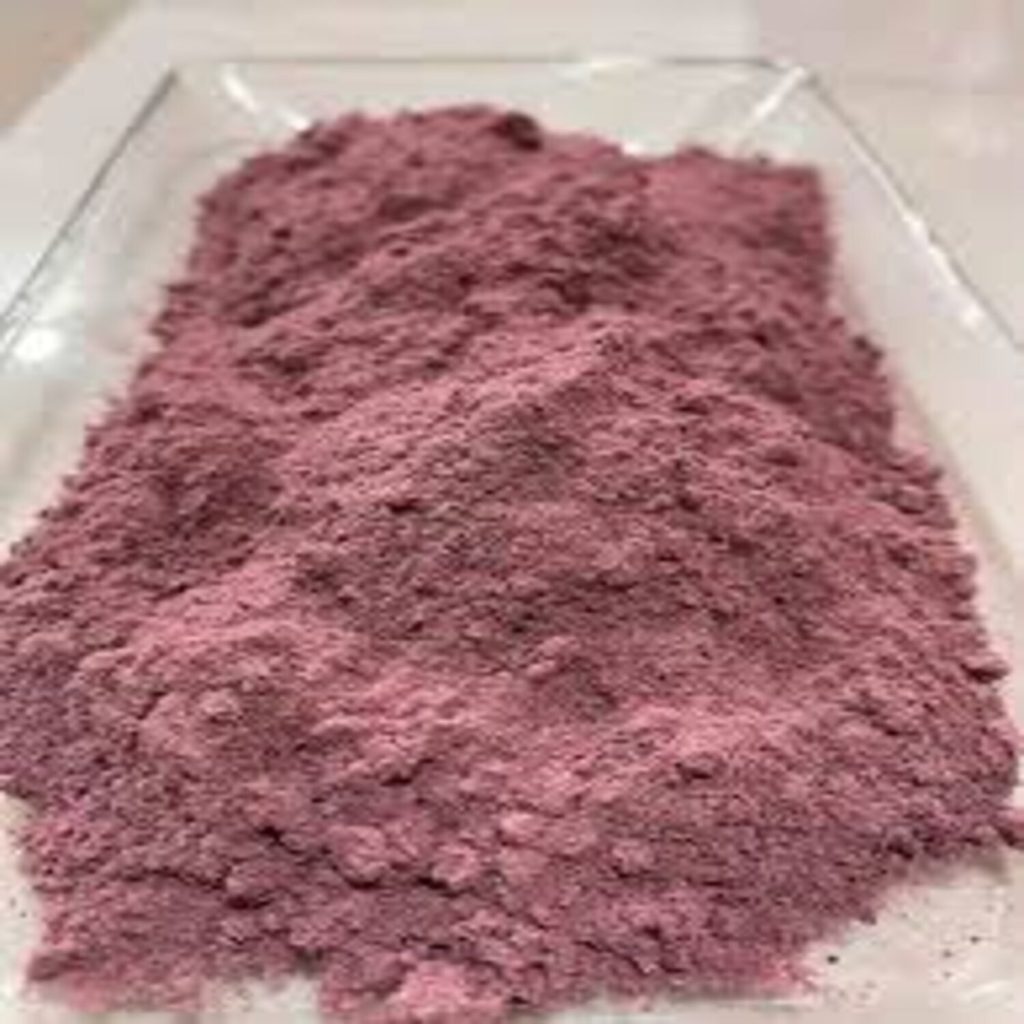
Natural dyeing is a craft that blends artistry with botanical knowledge, and no material captures this harmony better than Mimosa hostilis root bark. Known for producing deep, earthy reds, purples, browns, and near-black tones, this plant-based dye source has become a favorite among artisans seeking richness and reliability. To achieve the most vibrant results, you need the right preparation, techniques, and finishing methods. These expert tips will help you make the most of Mimosa hostilis root bark in every dyeing project.
Understanding the Dyeing Power of Mimosa Hostilis Root Bark
Natural Pigment Strength
One of the reasons dyers value Mimosa hostilis root bark is its naturally high tannin content. These tannins help the dye bind firmly to both plant and protein fibers, producing long-lasting colors. Because the bark contains strong pigments, even small amounts of Mimosa hostilis root bark can generate intense hues, especially when simmered correctly.
Fiber Compatibility
Wool, silk, cotton, and linen respond beautifully to Mimosa hostilis root bark. Protein fibers absorb darker and richer shades, while plant fibers produce softer tones that can be deepened through proper mordanting.
Preparing Your Materials for Vibrant Results
Proper Washing
Always begin with clean fibers. Residual oils and finishes prevent Mimosa hostilis root bark pigments from bonding evenly. Use a mild, biodegradable soap to remove impurities without harming delicate fibers.
Effective Mordanting
While the bark contains tannins, mordanting enhances both depth and durability. Use alum for silk, wool, and cotton to maximize how much Mimosa hostilis root bark the textile can absorb. For deeper browns and purples, consider iron after-treatments—applied carefully and in moderation.
Extracting Maximum Pigment
Soaking Before Simmering
A simple but highly effective technique is to soak Mimosa hostilis root bark overnight before heating it. This pre-soak helps the bark soften and release pigment more readily.
Low and Slow Heating
Heat the mixture gently. A slow simmer for one to two hours ensures Mimosa hostilis root bark releases its full spectrum of color without burning or dulling the pigment. A longer extraction time often leads to richer dye baths.
Straining Thoroughly
Filter the liquid through fine mesh or cloth to remove pieces of bark. Clear dye baths reduce the risk of speckling on the finished fabric and help Mimosa hostilis root bark tones appear more even.
Dyeing Techniques for Maximum Vibrancy
Immersion Dyeing for Even Coverage
Immerse the pre-wetted fibers slowly into the warm bath. The longer the fibers sit in Mimosa hostilis root bark, the darker the color becomes. Stir occasionally to prevent uneven absorption and to help the dye penetrate fully.
Layered Dyeing for Rich Depth
For exceptionally vibrant results, dye your fabric in multiple sessions. Allow each layer from the Mimosa hostilis root bark bath to dry before re-immersing it. This builds complexity and enhances richness without oversaturating the fibers.
Heat Control
Vibrancy depends heavily on temperature. Keep the dye bath hot but never boiling. Overheating can flatten tones and shorten the lifespan of both fibers and Mimosa hostilis root bark pigments.
Enhancing and Modifying Color
Using Iron and Alum
Iron deepens and darkens colors, pushing Mimosa hostilis root bark dyes toward browns and charcoals. Alum enhances clarity and brightness. Applying these modifiers after dyeing lets you fine-tune your final shade.
Adjusting Dye Ratios
Increasing the amount of Mimosa hostilis root bark intensifies colors. Some artisans use a 1:1 ratio of bark to fiber for standard dyeing, while others double the bark for near-black finishes.
Water Quality Matters
Minerals in hard water influence how Mimosa hostilis root bark behaves. If colors appear muted, try using filtered or soft water to bring out brighter tones.
Achieving Long-Lasting Results
Rinsing with Care
After dyeing, rinse the fabric gently in cool water. Too much agitation can weaken fibers and remove some pigment. Allowing the fabric to rest overnight before rinsing helps Mimosa hostilis root bark stabilize on the textile.
Drying Naturally
Air-dry your fabric out of direct sunlight. Harsh UV exposure can fade even strong natural dyes, including those from Mimosa hostilis root bark.
Fixing the Color
Although Mimosa hostilis root bark is naturally colorfast, heat-setting the fabric with a warm iron after drying can improve its longevity.
Troubleshooting for the Best Vibrancy
If your colors turn out lighter than expected, extend the simmering time or add more Mimosa hostilis root bark to deepen the bath. Uneven tones typically come from insufficient stirring or overcrowding. Allowing the fabric more space helps Mimosa hostilis root bark pigments distribute evenly.
If shades appear dull, mordanting may need adjustment. Increasing alum levels or adding a tannin pre-bath often enhances brightness and saturation.
Conclusion
Achieving vibrant, lasting dyes with Mimosa hostilis root bark is all about preparation, patience, and understanding how natural pigments behave. By carefully cleaning your fibers, extracting strong dye baths, controlling heat, and experimenting with modifiers, you can unlock the full richness this botanical dye has to offer. Whether you aim for deep purples, earthy reds, or complex layered tones, Mimosa hostilis root bark remains one of the most rewarding and versatile materials in natural dyeing. Let its vibrant potential inspire your next creative project and bring natural beauty into every textile you craft.