
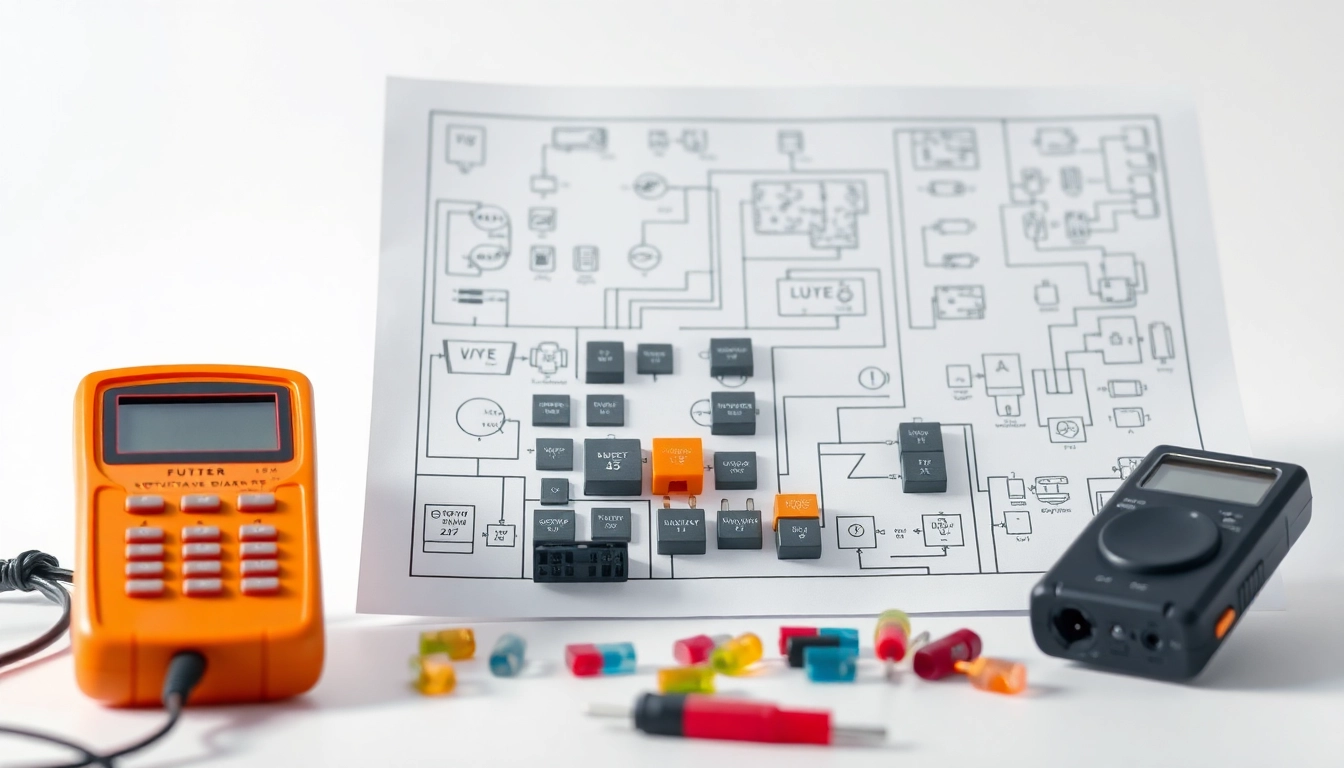
Understanding Automotive Fuses
In the complex world of automotive engineering, few components are as vital yet underappreciated as automotive fuses. These small devices play a crucial role in protecting your vehicle’s electrical system from overloads and short circuits. Understanding fuses not only enhances the longevity of your vehicle but also empowers you to troubleshoot and maintain your car’s electrical systems effectively. For a wealth of information on automotive fuses, you can visit https://bezpieczniki24.pl.
What Are Fuses and Their Importance?
Fuses are protective devices designed to interrupt the electrical circuit when an excess current flows through them. This excess current might be caused by a short circuit or an overload. The primary function of a fuse is to prevent electrical fires and damage to wiring and other components within the vehicle. When a fuse blows, it breaks the circuit and effectively shuts off the power to the affected component, thereby protecting other electrical components from potential damage.
The importance of fuses becomes especially apparent when considering the growing complexity of automotive electrical systems, which now include everything from onboard computers to advanced safety features. With more electrical components comes the heightened risk of failure, making functional fuses essential for overall vehicle safety and performance.
Different Types of Fuses Explained
Automotive fuses come in various shapes, sizes, and types, each designed for specific applications. The most commonly used types are:
- Blade Fuses: The most prevalent type of fuse in modern vehicles, they are easy to identify and replace.
- Glass Tube Fuses: Traditionally used in older models, these fuses are easily recognizable by their cylindrical shape.
- Ceramic Fuses: These fuses are known for their durability and are often used in high-current applications.
- Mini and Low-Profile Fuses: Designed for compact spaces, these fuses save space while still providing necessary protection.
Understanding these types can help vehicle owners choose the right replacements when necessary, ensuring that the vehicle remains safe and operational.
How Fuses Protect Your Vehicle’s Electrical System
Fuses serve as a critical line of defense for the electrical system within your vehicle. By interrupting current flow during overload situations, they prevent potential overheating that could lead to catastrophic fires or component failure. Furthermore, fuses can indicate a problem within the electrical system; a blown fuse often points to an underlying issue that should be addressed.
This protective function is especially relevant in today’s vehicles, which rely heavily on electronic systems for various functions such as power steering, braking systems, and infotainment. Without effective fuses, the risk of electrical failures increases significantly, potentially leading to safety hazards on the road.
Common Issues with Automotive Fuses
Identifying Symptoms of a Blown Fuse
One of the most critical skills for vehicle maintenance is recognizing when a fuse has blown. Common symptoms include:
- Failure of a specific electrical component, such as headlights or dashboard lights.
- Unusual fluctuations in electrical performance, such as dimming lights.
- Unresponsive electronic systems, such as radio or climate control units.
Being able to identify these symptoms quickly can save time and prevent further damage to the vehicle’s electrical systems.
Reasons Why Fuses Blow Frequently
Understanding the reasons behind frequent fuse failures is crucial for both maintenance and safety. Common causes include:
- Circuit Overload: When a device draws more current than the circuit can handle.
- Short Circuits: Caused by damaged wiring or a malfunctioning component that allows current to bypass the normal path.
- Corrosion: Rust or dirt can create resistance in connectors, leading to higher currents and potential fuse failure.
- Faulty Components: Malfunctioning electrical components may draw excessive current, leading to blown fuses.
By identifying these causes, vehicle owners can take proactive measures to mitigate the risk of future fuse issues.
Preventive Measures for Avoiding Fuse Failures
To prevent unexpected fuse failures, several proactive measures can be implemented:
- Regularly inspect the electrical system for signs of wear or damage.
- Ensure electrical connections are clean and free from corrosion.
- Upgrade components that draw excessive current to more efficient alternatives.
- Keep spare fuses on hand for quick replacements when necessary.
These strategies can significantly enhance the reliability of your vehicle’s electrical system and reduce the frequency of fuse-related issues.
How to Check and Replace Automotive Fuses
Tools Required for Fuse Replacement
Replacing fuses is a straightforward process, provided you have the right tools at hand. Essential tools include:
- Fuse Puller: A handy tool for safely removing and inserting fuses without damaging them.
- Multimeter: Used to check for continuity in fuses and diagnose issues within the electrical system.
- Flashlight: Useful for inspecting the fuse box in poorly lit areas.
- Screwdriver: May be needed to access the fuse box cover, depending on the vehicle model.
Having these tools handy will make the replacement process much smoother and more efficient.
Step-by-Step Guide to Checking Fuses
To ensure that your vehicle’s fuses are functioning correctly, follow this step-by-step guide:
- Locate the Fuse Box: Refer to the vehicle’s manual to find the fuse box, typically found under the dashboard, in the engine compartment, or near the cabin.
- Identify the Fuse: Use the diagram on the fuse box cover or in the manual to locate the specific fuse associated with the malfunctioning component.
- Inspect the Fuse: Visually check the fuse for any signs of damage. A blown fuse typically has a broken wire or a cloudy appearance.
- Test with a Multimeter: If necessary, use a multimeter to confirm continuity. A reading of zero indicates the fuse is blown.
This methodical approach ensures that you correctly identify and address issues related to your vehicle’s fuses.
How to Replace a Blown Fuse Safely
Replacing a blown fuse should be done carefully to avoid further damage. Follow these steps:
- Ensure Safety: Turn off the vehicle and remove the key from the ignition.
- Remove the Faulty Fuse: Use a fuse puller or small pliers to carefully extract the blown fuse.
- Install the New Fuse: Take a new fuse of the same amperage and gently push it into the appropriate slot in the fuse box.
- Test the System: Start the vehicle and check the component to ensure it functions correctly.
By following these steps, you can safely and effectively replace fuses, ensuring the integrity of your vehicle’s electrical system.
Advanced Troubleshooting for Fuse Related Problems
Diagnosing Electrical Issues Related to Fuses
When multiple fuses blow or electrical issues persist after replacing fuses, a deeper diagnostic approach is required. Start by checking for the following:
- Wiring Damage: Inspect wiring for frays, chafes, or other signs of damage that could cause shorts.
- Electrical Load Analysis: Determine if the components drawing power exceed the circuit’s capacity.
- Component Testing: Test each electronic component to ensure they operate within their designed limits.
- Ground Connections: Check ground paths for corrosion or loose connections that could lead to erratic performance.
These advanced steps can help pinpoint root causes and facilitate more effective repairs.
When to Consult a Professional Mechanic
While many automotive fuse issues can be resolved independently, certain situations warrant professional assistance. Consult a mechanic if:
- You are consistently losing fuses, indicating a more complex electrical issue.
- Diagnosing the problem involves extensive work on the vehicle’s electrical system.
- You lack the tools or comfort level to perform necessary checks safely.
A professional can offer expertise and resources that facilitate a thorough diagnosis and resolution of complex electrical issues.
Common Misconceptions About Fuses in Vehicles
Several misconceptions exist regarding automotive fuses that can hinder effective vehicle maintenance. For instance:
- “All Fuses are Universal:” Fuses come in various ratings, sizes, and shapes designed for specific applications. Using the wrong fuse can lead to system failures.
- “A Blown Fuse Means a Component is Broken:” While a blown fuse can indicate a problem, it doesn’t always mean the component is defective; it may just mean there’s an overload in the circuit.
- “Fuses Never Need Attention:” Regular inspections of fuses can preempt issues and enhance reliability.
Cultivating a clear understanding of fuses can improve maintenance practices and vehicle performance.
Resources for Further Learning on Automotive Fuses
Websites and Forums for Fuse Information
There is a wealth of online resources dedicated to automotive maintenance, including fuses. Websites and forums can provide valuable insights from automotive experts, ranging from troubleshooting guides to fuse specifications. Engaging with communities focused on automotive electrical systems can yield practical knowledge and solutions.
Books and Manuals for Automotive Repairs
Several comprehensive manuals and books delve into automotive repairs, including the electrical systems that fuses protect. Consider acquiring a service manual specific to your vehicle model. These manuals often have detailed fuse diagrams, troubleshooting steps, and specifications that enhance your maintenance efforts.
Understanding Manufacturer Specifications and Guides
Each vehicle manufacturer provides guidelines and specifications for electrical components, including fuses. Familiarizing yourself with these documents is essential for proper maintenance. Always consult the owner’s manual or specific service documentation for accurate information about the fuses used in your vehicle.