
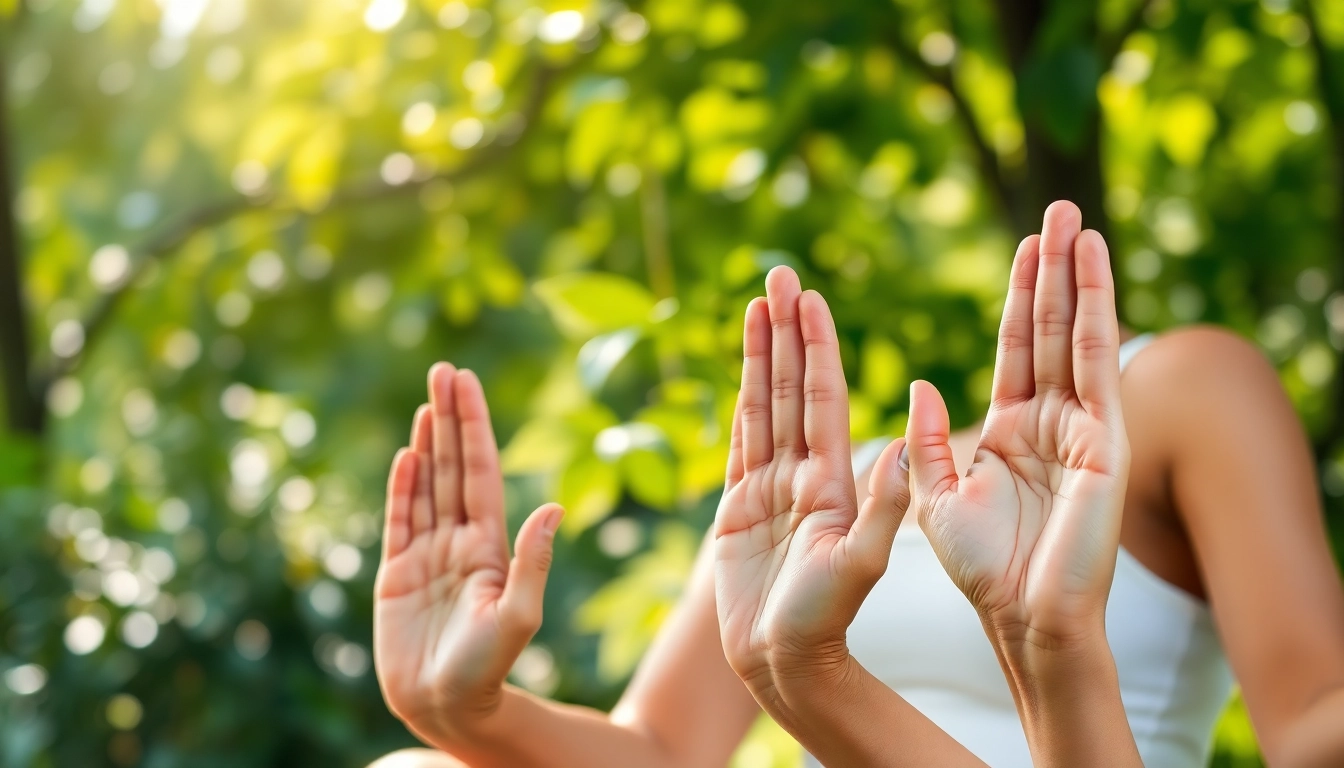
Understanding Yoga Mudras
Definition and Significance of Yoga Mudras
Yoga mudras are hand gestures or seals that are utilized in yoga and meditation practices to influence the mind and body. These gestures are believed to facilitate the flow of prana (life force energy) throughout the body, enhancing spiritual and physical well-being. While the term “mudra” translates from Sanskrit to “gesture” or “seal,” its significance transcends mere physical movement; it encompasses a deeply rooted philosophy aimed at cultivating awareness and intent. Practicing Yoga mudras can create an avenue for directing energy and influencing various bodily systems, thereby allowing practitioners to access a state of balance and harmony.
Cultural and Historical Context
The practice of yoga mudras harnesses millennia of wisdom from ancient Indian traditions, where they were first articulated within yogic texts and scriptures. Historical references suggest that mudras were not only used in yoga, but also integrated into Buddhist practices and rituals. The earliest examples can be traced back to texts like the “Hatha Yoga Pradipika,” which emphasize their role in yogic exercises. Different cultures have adopted similar concepts, yet the profound connections established through the practice of yoga mudras remain quintessentially linked to their Indian origins.
How Yoga Mudras Influence Energy
Yoga mudras are instrumental in directing the flow of life energy, or prana, within the body, similar to how acupressure points function. Each finger is associated with specific elemental forces as outlined in Ayurvedic philosophy: the thumb with fire, the index finger with air, the middle finger with space, the ring finger with earth, and the little finger with water. By positioning fingers in distinct formations, practitioners can invoke different energy circuits, facilitating healing and rejuvenation. This ability to manipulate energy not only alleviates physical ailments but also empowers emotional healing and spiritual growth.
Types of Yoga Mudras
Hand-Based Yoga Mudras Explained
Hand-based yoga mudras are the most recognizable and widely practiced. Here are a few key examples:
- Gyan Mudra: Often referred to as the mudra of knowledge, this is created by touching the tip of the thumb to the index finger. It enhances concentration and mental clarity.
- Chin Mudra: This mudra is formed by connecting the thumb and index finger while keeping the other fingers extended. It promotes calmness and enlightenment.
- Anjali Mudra: Also known as prayer pose, this involves bringing palms together at the heart center. It represents gratitude and connection.
- Prana Mudra: To perform, connect the tips of the thumb, ring finger, and little finger while extending the other fingers. This gesture activates hidden energy and can enhance vitality.
- Dhyana Mudra: The hands rest in the lap, with palms facing upwards and the right hand over the left. This mudra is conducive to meditative states, helping to cultivate deeper concentration.
Body Postures and Yoga Mudras
While hand gestures are a major component of yoga mudras, the integration of specific body postures is equally essential. Practicing mudras in conjunction with traditional yoga poses can amplify their effects. For instance, seated in Padmasana (lotus position) while performing Gyan Mudra can enhance the grounding effect, enabling a balanced flow of energy from the base of the spine to the head. This combination of posture and mudra creates a holistic approach, aligning physical, mental, and emotional states.
Breathing Techniques with Yoga Mudras
Breath plays a crucial role in maximizing the impact of yoga mudras. Integrating pranayama (breath control) with mudra practices deepens the connection to self. Techniques like Nadi Shodhana (alternate nostril breathing) can revitalize and balance energy while simultaneously enhancing the meditative effects of mudras. By harmonizing breath with specific hand gestures, practitioners can experience heightened awareness and inner equilibrium, allowing the bodily energy to circulate freely.
Benefits of Practicing Yoga Mudras
Physical Health Improvements
Engaging in yoga mudras can yield a myriad of physical health benefits. Studies indicate that practicing mudras can alleviate ailments such as headaches, digestive issues, and stress-related symptoms. Certain mudras may even boost the immune system, enhance circulation, and improve overall vitality. For example, the Apan Mudra, which involves touching the tips of the thumb, middle finger, and ring finger, is often practiced to detoxify the body and promote heart health.
Mental Clarity and Focus Enhancement
In an increasingly distracted world, achieving mental clarity has become paramount. Yoga mudras facilitate this through their grounding properties, allowing practitioners to develop sharper focus and improved cognitive function. For instance, mudras like Gyan can foster concentration and awaken creativity, making them invaluable during meditative practices or while tackling challenging tasks. The synergy between breath, body, and gesture engenders an environment where clarity prevails.
Emotional Balance Through Yoga Mudras
Emotionally, yoga mudras act as powerful tools for stabilizing feelings and facilitating emotional healing. Practices that incorporate mudras can lessen anxiety, combat depression, and encourage a sense of inner peace. The concept of emotional energy being responsive to physical gestures is affirmed through the application of specific mudras. For instance, the Anjali Mudra promotes feelings of gratitude and connection, fostering positive emotions and reinforcing emotional resilience.
How to Incorporate Yoga Mudras into Your Routine
Integrating Yoga Mudras with Meditation
Integrating yoga mudras into meditation practices can profoundly enhance the experience. Start by choosing a comfortable seated position, ensuring your spine is aligned and your body is relaxed. Once in position, choose a mudra that resonates with your intention for the meditation. For example, using the Chin Mudra while focusing on your breath can deepen your practice and promote tranquility. Consistency is key; aim for a daily practice to cultivate a deeper relationship with your mudras.
Using Yoga Mudras in Daily Practices
While many associate yoga mudras with formal practices, they can be seamlessly integrated into daily life. Utilizing gestures such as Gyan while studying or practicing Apan during moments of stress can transform mundane activities into mindful experiences. Additionally, performing mudras during mundane tasks, like waiting or commuting, creates opportunities to invoke calmness and intention, ultimately fostering a deeper sense of awareness throughout daily routines.
Guidelines for Beginners
For those new to yoga mudras, start with a few foundational gestures. Begin with Gyan and Anjali Mudra due to their accessibility and effectiveness. Practice them for brief periods, gradually increasing the duration as comfort grows. Pair your practice with breathwork techniques to maximize benefits. Most importantly, approach this journey with mindfulness and patience; mastery will come with consistent effort and dedicated practice.
Advanced Techniques and Insights on Yoga Mudras
Combining Yoga Mudras with Other Yoga Practices
As practitioners gain confidence, exploring the combination of yoga mudras with other yoga practices becomes beneficial. Learning to weave mudras into asanas (postures) introduces a new dimension to practice. For example, transitioning between Sun Salutations while maintaining a specific mudra can enhance focus and energy flow throughout the sequence. Experimentation with variations will yield unique insights for each individual, enriching the overall yoga experience.
Experimenting with Personal Variations of Yoga Mudras
While traditional yoga mudras provide a dependable framework, personal modifications can also yield powerful effects. Practitioners are encouraged to explore gestures that feel instinctively right for them. This exploration can result in the discovery of personal mudras that resonate deeply, potentially combining hand formations with body positions. Documenting experiences can help track what works best within individual practices.
Tracking Progress and Benefits
To ensure a fruitful practice, tracking progress and benefits arising from yoga mudras can be illuminating. Keep a journal capturing experiences, emotions, shifts in physical sensations, and overall well-being. Over time, patterns may emerge, revealing how certain mudras impact different aspects of life. This reflective practice not only fosters accountability but also deepens the understanding of personal growth through yoga mudras.