
Understanding Bed Bugs and Their Habitats
What Are Bed Bugs?
Bed bugs are small, nocturnal insects belonging to the Cimex genus, primarily Cimex lectularius. They are notorious for their ability to infest homes, hotels, and even public transport, feeding on the blood of humans and animals. Adult bed bugs measure approximately 4-5 mm in length and feature flat, oval bodies that range in color from rusty red to dark brown. They are equipped with specialized mouthparts that allow them to pierce skin and consume blood, typically during the night when their hosts are asleep.
The Life Cycle of Bed Bugs
The life cycle of a bed bug consists of four distinct stages: egg, nymph, and adult. Bed bug eggs are tiny, white, and roughly the size of a pinhead. A female can lay anywhere from 1 to 5 eggs per day, resulting in up to 500 eggs in her lifetime. After about 6 to 10 days, the eggs hatch into nymphs, which undergo five molting stages before becoming adults. The entire life cycle can take anywhere from 6 weeks to several months, depending on environmental factors such as temperature and availability of food.
Common Habitats Where Bed Bugs Thrive
Bed bugs are highly adaptable and can live in a variety of environments. They are most commonly found in places where people congregate, such as hotels, motels, apartments, and dormitories. Their flat bodies enable them to hide in tight spaces, including mattress seams, bed frames, baseboards, and even electrical outlets. Additionally, bed bugs can easily hitchhike on luggage, clothing, and used furniture, making them a widespread issue in many communities.
Signs of Bed Bug Infestations
Identifying Bed Bug Bites
One of the foremost indicators of a bed bug infestation is the appearance of bites on the skin. Bed bug bites often manifest as small, red, itchy welts, typically grouped in clusters or aligned in straight rows. These bites usually appear on exposed areas of the skin, such as the arms, neck, and face, and can take several days to become noticeable. Some individuals may experience allergic reactions, resulting in more severe swelling, blistering, or secondary infections.
Physical Signs of Infestation
In addition to bites, there are several visible indicators of a bed bug presence. Look for small, dark spots of fecal matter on bedding, walls, or furniture, which is a clear sign of active feeding. Shed exoskeletons, which bed bugs leave behind during their molting process, may also be found in their hiding spots. Furthermore, you might encounter bed bug eggs, which are tiny and pearly white, indicating a breeding population.
Inspecting Common Hiding Spots
To effectively identify a bed bug infestation, thorough inspections of common hiding spots are crucial. Focus on areas such as:
- Mattress seams, where they often breed and hide.
- Bed frames and headboards for signs of fecal matter or shed skins.
- Couches and chairs, particularly in seams and cushions.
- Nightstands, baseboards, and electrical outlets, as these can also provide shelter.
Using a flashlight and magnifying glass can assist in spotting these signs, helping you take action swiftly to eliminate the infestation.
Effective Bed Bug Treatments Available
Chemical Spray Treatment Details at https://affordablebedbugexterminators.com
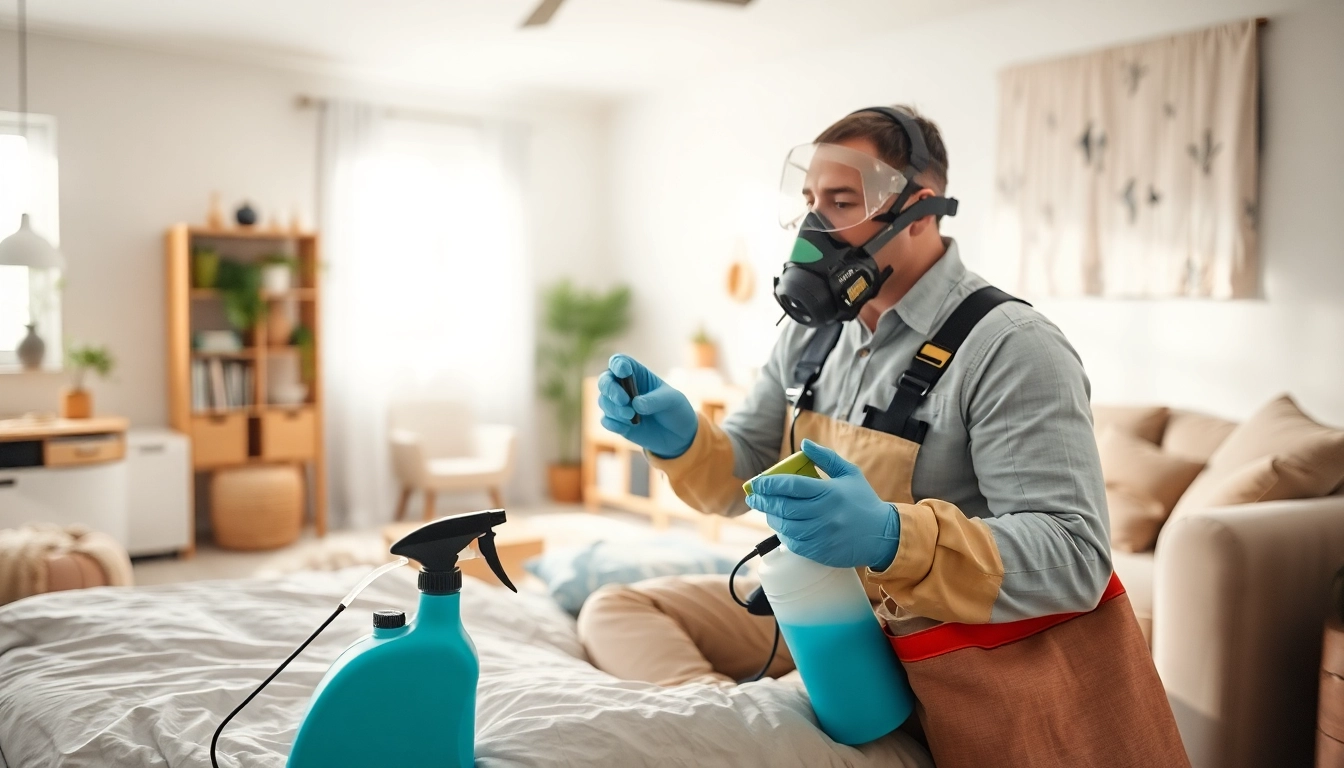
Chemical treatments are among the most common methods for managing bed bug infestations. These insecticides target various life stages of bed bugs, effectively reducing their populations. The treatment plans typically combine residual insecticides, which remain effective for weeks, with fast-acting formulations to ensure immediate knockdown. When using chemical sprays, it’s crucial to follow safety guidelines to minimize exposure to humans and pets. For deeper insights into the chemical spray treatment, you can explore more at https://affordablebedbugexterminators.com.
Heat Treatment: What to Expect
Heat treatment is another highly effective method for exterminating bed bugs. This process involves raising the ambient temperature of the infested space to levels lethal for bed bugs (typically around 120°F or 49°C). During the treatment, all areas, including furniture, carpets, and wall cavities, are heated to freeze out any hidden bugs. This method is chemical-free, highly effective against all life stages, and has a quick turnaround time, making it a popular choice among professionals.
The Benefits of Combo Treatments
Combining different treatment strategies often yields the best results for bed bug eradication. For instance, utilizing a combination of heat treatment and chemical sprays can effectively target bugs at various life stages and ensure comprehensive coverage. This synergistic approach helps mitigate the risk of any remaining bugs escaping treatment, ultimately providing a more durable solution to bed bug problems.
How to Prepare Your Home for Bed Bug Treatment
Essential Steps for Home Preparation
Preparation is key for the effectiveness of any bed bug treatment plan. Follow these essential steps to ensure your home is ready:
- Declutter the infested areas to provide easy access to treatment sites.
- Remove bedding and wash it with hot water, followed by a hot dryer cycle.
- Vacuum carpets, furniture, and baseboards to remove any visible bed bugs and eggs.
- Seal any items that cannot be washed in plastic bags to prevent further spreading of the infestation.
Creating a Safe Environment for Treatment
During treatment, it’s crucial to ensure that the environment is as safe as possible. This includes keeping pets and family members away from treated areas. If chemical treatments are being applied, ventilate the space adequately by opening windows and doors. Follow any specific instructions provided by the exterminators for optimal results.
Post-Treatment Cleanup Guide
After treatment, a thorough cleanup helps maintain a pest-free environment. Wait for the professional’s recommended duration before reentering the treated areas. Once safe, vacuum the treated spaces to collect any remaining debris and dead bugs. Wash all bedding and clothing as a precaution. Regular monitoring and inspection can further ensure your home remains free from bed bugs.
Long-Term Prevention Strategies
Regular Inspection Tips After Treatment
Implementing regular inspections is a vital strategy for preventing future infestations. Schedule bi-weekly or monthly inspections, especially in areas frequently exposed to visitors or new items. Pay close attention to potential hiding spots and look for signs of bed bugs, such as bites or fecal spots.
Using Mattress and Pillow Protectors
Investing in high-quality mattress and pillow protectors can significantly reduce the risk of bed bug infestations. These protectors create a barrier that prevents bed bugs from penetrating the bedding, while also containing any bugs already present. It is essential to ensure that the protectors are bed bug-proof, with reinforced seams and zippers.
Building Awareness of Bed Bug Risks
Education and awareness are fundamental in preventing bed bug threats. Be vigilant when traveling—inspect hotel beds and furniture upon arrival and avoid placing luggage on the floor. Additionally, educate family and friends about the potential risks and signs of bed bugs to foster a community of awareness that takes proactive measures against infestations.