
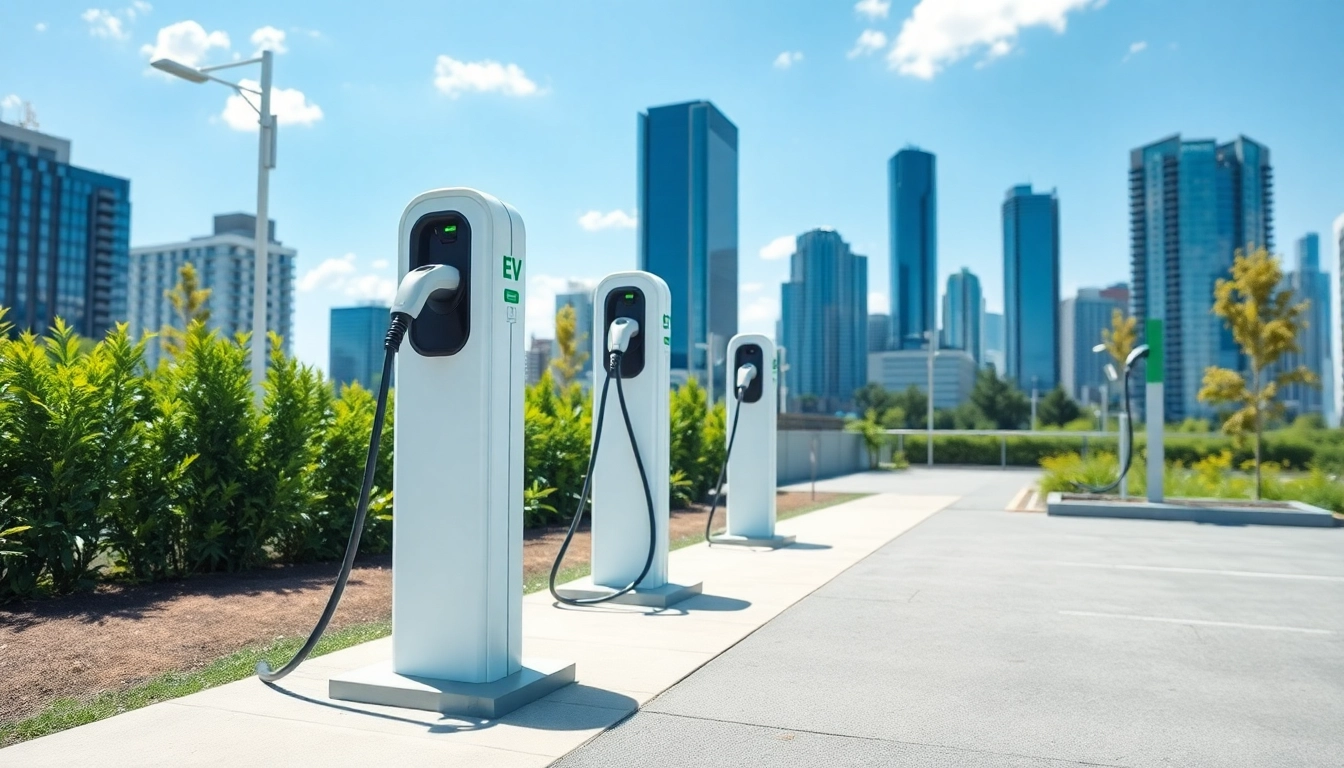
Understanding the EV Charging Landscape
As the world increasingly shifts towards sustainable transportation, electric vehicles (EVs) have become more popular among consumers. A crucial aspect of integrating EVs into daily life is the infrastructure that supports their use—specifically, the EV charging news and systems that guide user experience and efficiency. Understanding this landscape is essential for both potential EV owners and industry stakeholders as it includes various types of charging systems, technologies, and user behavior that play a pivotal role in the transition to electric mobility.
What is EV Charging?
EV charging refers to the process of replenishing the energy stored in an electric vehicle’s battery, allowing the vehicle to operate effectively. Unlike traditional refueling, which can take only a few minutes, charging an EV can take from a few minutes with fast chargers to several hours with standard outlets, depending on the type and capacity of the charger. This variation in charging times highlights the need for robust infrastructure and advanced technology to accommodate user preferences and behaviors.
Types of EV Chargers Explained
Understanding the types of EV chargers is critical for navigating the EV charging landscape. There are three primary types:
- Level 1 Chargers: These utilize a standard 120-volt outlet and are typically the slowest form of charging. Level 1 charging is ideal for overnight home charging but may not meet the needs of those with high daily mileage.
- Level 2 Chargers: Operating at 240 volts, Level 2 chargers are common in public charging stations and offer a substantial improvement in charging speed. They are suitable for both residential and commercial applications and can recharge an EV in a matter of hours.
- DC Fast Chargers: These are high-power charging stations that can deliver a significant amount of energy in a very short time. Most DC fast chargers can recharge a vehicle’s battery up to 80% in approximately 30 minutes. This type of charging is crucial for long-range travel and alleviating range anxiety among EV owners.
Importance of Charging Infrastructure
The significance of charging infrastructure cannot be overstated; it is the backbone of the entire EV ecosystem. Without a widespread network of charging stations, consumer adoption of EVs would stagnate. The availability and accessibility of charging options influence consumer behavior, ranging from how often they consider purchasing an EV to the distances they are willing to travel. Furthermore, robust charging infrastructure enhances the usability of electric vehicles, promoting a shift towards electric transport in communities worldwide.
Current Trends in EV Charging News
The EV charging landscape is undergoing rapid evolution, shaped by technological advancements, changing consumer preferences, and government policies. Staying informed about current trends in EV charging news is essential for consumers and industry professionals alike.
Growth of Public Charging Stations
One of the most significant trends in the EV charging sector is the growth of public charging stations. Increasing investments from both private and public entities have led to a notable expansion in charging networks. These stations are strategically placed to support urban commuting and highway travel, thus enhancing the utility of EVs. As more public charging options become available, they help alleviate range anxiety and encourage a wider consumer base to consider electric vehicles. The availability of charging stations at key locations—such as shopping centers, workplaces, and transit hubs—has been a game-changer.
Innovative Charging Solutions Emerging
Innovations within the EV charging sector are constantly emerging and reshaping the experience for users. One notable trend is the development of wireless charging technology, which allows EVs to charge without a physical connection. This technology is still in the pilot phase but promises to ease the charging process. Another trend is the implementation of solar-assisted charging stations, which taps into renewable energy to power EVs, reducing the overall carbon footprint. Additionally, smart charging solutions integrate information technology, enabling consumers to monitor power consumption, set charging times, and take advantage of cost savings during off-peak hours.
User Behavior and Charging Preferences
User behavior towards charging is evolving as awareness increases regarding typical charging patterns and preferences. Surveys indicate that a significant percentage of EV owners prefer home charging as their primary method, reflecting a preference for convenience. However, the need for public charging solutions remains essential, especially for long-distance travel. Understanding these preferences can guide further investments in charging infrastructure, such as the placement of chargers in high-traffic areas and collaboration with local businesses to facilitate charging opportunities.
Challenges Facing EV Charging Expansion
Despite the burgeoning market for EV charging infrastructure, several challenges remain that can hinder rapid expansion and general acceptance of electric vehicles.
Range Anxiety and Its Impact
Range anxiety is a primary concern for potential EV owners. Many individuals hesitate to transition to electric vehicles due to fears of running out of power before reaching a charging station. This psychological barrier has been a significant hurdle that stakeholders must address through increased deployment of charging infrastructure and better information dissemination about charging locations and technologies. Education campaigns illustrating the average range of EVs and the positioning of charging stations are vital in reducing range anxiety.
Addressing Charging Accessibility
Accessibility to charging stations is another critical issue. While urban areas often have access to numerous charging stations, rural locations can be significantly underserved. This inequity can impact consumer decision-making, as individuals living in areas with minimal charging access may shy away from EV ownership. Solutions to address this issue include incentivizing the installation of chargers in less populated regions and enhancing public-private partnerships to expand the network effectively.
Technological Hurdles in Development
The technology driving EV charging is advancing rapidly, yet challenges remain. Compatibility among different brands and models of electric vehicles and chargers can present logistical issues. Standardization of charging connectors and protocols is essential to streamline the user experience. Additionally, the infrastructure must keep pace with advancements in battery technology, which will require continuous investments and upgrades to existing systems.
Government Regulations and Policies Affecting EV Charging
Governmental regulations and policies are critical in shaping the future of EV charging and incentivizing the transition towards electric vehicles. These policies can encourage the adoption of EVs—leading to a comprehensive charging network, ultimately benefiting environmental goals.
Incentives for Electric Vehicle Adoption
Various incentives exist to promote electric vehicle adoption, such as tax credits and rebates for EV purchasers. These incentives lower the initial costs associated with purchasing an electric vehicle, making them more appealing to a broader audience. Programs that provide funding for charging infrastructure installation also play a role in establishing robust networks, particularly in underserved areas.
Legislation Shaping the Charging Infrastructure
Legislation surrounding EV charging infrastructure is continually being refined to accommodate the growth of electric vehicles. Regulations may include building codes that require new constructions to incorporate charging capabilities or mandates for publicly funded parking facilities to host charging stations. Advocates for electric transportation push for laws that encourage sustainability and innovation while ensuring equitable access across different demographics and geographical areas.
Impact of Federal and State Programs
Federal and state programs substantially impact the development of charging infrastructure. Programs that allocate funds for research and development can spur innovation within charging technologies. Additionally, public investment in charging infrastructure ensures that stations are available to serve diverse demographic groups, thus encouraging widespread adoption of electric vehicles. Understanding the implications of these policies is crucial for stakeholders aiming to navigate the landscape effectively.
Future of EV Charging News
Looking ahead, the future of EV charging presents an array of opportunities and advancements that can significantly enhance the EV ecosystem.
Predictions for Charging Technology Advances
The pace of technological advancement in charging solutions will likely continue accelerating. Innovations such as ultra-fast charging, which could significantly reduce charging times, and vehicle-to-grid (V2G) technology that allows EVs to supply electricity back to the grid temporarily, are on the horizon. Such advancements can enhance the resiliency of power grids and provide consumers with additional economic incentives.
Potential Market Disruptions
Market disruptions will also shape the future of EV charging. Factors like technological breakthroughs or shifts in consumer preferences can redefine competitive dynamics within the industry. Additionally, as emerging technologies become prevalent, it’s likely electric vehicle manufacturers and energy providers will explore novel business models, introducing flexible pricing strategies and innovative subscription-based charging services.
The Role of Consumer Education in Adoption
Education will remain a central theme in the adoption of electric vehicles and success in EV charging infrastructure. Empowering consumers with information about the benefits of EVs and best practices for charging can drive acceptance and increased usage. Workshops, informational campaigns, and community events will serve to bridge the knowledge gap and create a more informed consumer base that is prepared for the transition to electric mobility.