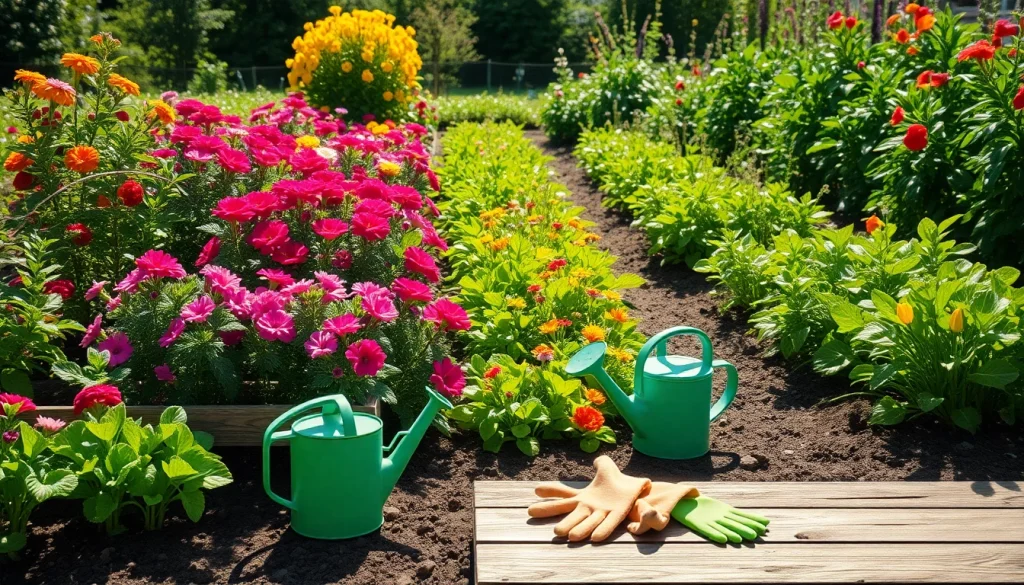
Understanding the Basics of Gardening
What is Gardening?
Gardening is an age-old practice that involves cultivating various types of plants, including vegetables, fruits, herbs, and ornamental plants, within designated areas. It encompasses a blend of art and science, where individuals harness nature to create beautiful spaces and sustainable food sources. Whether gardening is pursued as a hobby, a means to produce food, or simply for aesthetic pleasure, it brings a sense of fulfillment and connection to the natural world. For more detailed insights into the various aspects of Gardening, one can delve into an array of resources and communities that share a passion for plant cultivation.
The Importance of Soil Quality in Gardening
Soil quality is a foundational element in gardening, as it directly impacts plant health and growth. Healthy soil is rich in organic matter, nutrients, and beneficial microorganisms. The optimal pH level, moisture content, and texture can significantly influence how well plants thrive. Before planting, it is crucial to analyze and amend the soil to suit the specific needs of the plants being cultivated. Techniques such as soil testing, adding compost, and employing crop rotation can enhance soil fertility and structure, leading to more productive gardening results.
Essential Gardening Tools for Beginners
Starting off in gardening may seem daunting, but equipping yourself with the right tools can enhance the experience significantly. Essential tools for beginners include:
- Hand trowel: Useful for planting and digging small holes.
- Pruning shears: Essential for trimming and shaping plants.
- Garden fork: Helps in aerating the soil and breaking up compacted ground.
- Watering can: Allows for precise watering of plants.
- Garden gloves: Protects hands while working with soil and plants.
By familiarizing oneself with these tools, novice gardeners can cultivate their green spaces with confidence.
Starting Your Own Vegetable Garden
Choosing the Right Location for Your Gardening
The choice of location for a vegetable garden is critical. Selecting a spot that receives ample sunlight—ideally, 6 to 8 hours a day—can significantly affect plant growth. Additionally, good drainage is essential to prevent waterlogging and root rot. It’s advisable to steer clear of low areas where water might collect. Accessibility is also important; a location close to your home will encourage frequent maintenance and harvesting.
Planning Your Vegetable Garden Layout
A well-thought-out garden layout ensures that plants have enough space to grow while maximizing the available area. When planning your layout, consider the following:
- Row gardening: Traditional method, ideal for larger spaces.
- Raised beds: Great for controlling soil quality and improving drainage.
- Square foot gardening: Efficient for small spaces, promoting high-density plant growth.
- Companion planting: Involves pairing plants that benefit each other, improving crop yields.
Each method has its merits; choose the one that best fits your gardening style and the space you have available.
Common Mistakes to Avoid in Gardening
Even enthusiastic gardeners can stumble into pitfalls. Common mistakes include:
- Overwatering: Excess moisture can suffocate roots. It’s important to let the soil dry slightly between watering.
- Poor seed selection: Using seeds not suited for your climate can lead to poor growth.
- Neglecting pest management: Ignoring early signs of pests can lead to larger infestations. Regular monitoring is key.
- Not rotating crops: Planting the same crops in the same soil year after year can deplete nutrients and lead to disease.
Awareness and proactive measures can mitigate these common errors, leading to a thriving garden.
Understanding Plant Care in Gardening
Watering Techniques for Healthy Plants
Watering is vital for plant health, but the method and timing matter greatly. Techniques such as:
- Drip irrigation: Provides water directly to the root zone, conserving moisture and preventing fungal diseases.
- Soaker hoses: Allow for gradual watering, which is ideal for vegetable gardens.
- Watering early or late: Reduces evaporation and helps plants absorb moisture more efficiently.
Understanding the water needs of different plants can vastly improve their health and productivity.
Fertilizing and Soil Amendments in Gardening
Soil fertility can be supplemented through fertilizers and organic amendments. Organic compost, well-rotted manure, and cover crops add nutrients while improving soil structure. Balancing nitrogen, phosphorus, and potassium (N-P-K) according to your plants’ requirements can also encourage growth. Regular soil testing ensures that amendments are tailored to specific nutrient deficiencies, leading to optimal plant performance.
Pest Control Methods for a Thriving Garden
Pest management is crucial for maintaining a healthy garden. Integrated Pest Management (IPM) emphasizes a range of strategies, including:
- Preventive measures: Choosing disease-resistant varieties and maintaining plant health through proper care.
- Biological controls: Introducing beneficial insects, like ladybugs or lacewings, that feed on harmful pests.
- Mechanical controls: Simple tools and barriers, such as row covers, can physically prevent pest access.
- Chemical controls: If necessary, select targeted pesticides and use them sparingly to minimize harm to beneficial organisms.
By employing diverse methods, gardeners can create resilient ecosystems that thrive despite pest pressures.
Exploring Different Gardening Styles
Container Gardening: Pros and Cons
Container gardening offers flexibility and convenience, making it an excellent option for urban dwellers or those with limited space. Key advantages include:
- Mobility: Containers can be relocated to optimize sun exposure and aesthetic appeal.
- Controlled environment: Easier management of soil quality and drainage.
However, challenges may arise with:
- Watering: Pots can dry out quickly in hot weather, requiring more frequent watering.
- Size limitations: Limited root space may restrict plant growth, so choosing appropriate plants is essential.
Understanding these aspects will enhance the effectiveness of container gardening.
Vertical Gardening for Limited Spaces
Vertical gardening has gained popularity as a solution for maximizing limited space. This technique involves growing plants upward rather than outward, utilizing walls, fences, or specially designed structures. Benefits include:
- Space efficiency: Ideal for compact urban gardens.
- Improved air circulation: Reduces disease risk and enhances sunlight access.
- Aesthetic appeal: Vertical gardens serve as living art installations, adding greenery to urban environments.
While choosing appropriate plants is crucial—opt for varieties that thrive in vertical setups, such as climbing vines or wall planters—this approach can create stunning green spaces where ground area is at a premium.
Permaculture Principles in Gardening
Permaculture is an innovative agricultural philosophy that emphasizes sustainability and harmony with nature. Core principles include:
- Diversity: Planting various crops increases resilience against pests and diseases.
- Zones and sectors: Designing layouts based on human activity and environmental conditions maximizes efficiency.
- Closed loops: Incorporating systems that recycle nutrients and resources promotes self-sustainability.
Implementing permaculture practices can lead to a self-sustaining garden ecosystem, encouraging biodiversity while yielding productive harvests.
Advanced Gardening Techniques for Enthusiasts
Companion Planting to Boost Growth
Companion planting enhances growth by pairing beneficial plants together. Successful combinations, such as tomatoes with basil or carrots with onions, can improve flavor, repel pests, and even optimize nutrient uptake. This practice requires some experimentation and observation, but the results can be rewarding, yielding healthier plants and greater harvests.
Organic Gardening Practices Explained
Organic gardening focuses on fostering healthy ecosystems to achieve productive gardens with minimal synthetic inputs. Key practices include:
- Using organic fertilizers: Compost, manure, and natural amendments enrich soil.
- Encouraging biodiversity: Attracting beneficial insects and planting cover crops improve soil health and pest control.
- Managing weeds naturally: Mulching and crop rotation minimize weed proliferation without chemicals.
Organic gardening practices not only yield safe produce but also contribute to environmental health.
Seasonal Gardening: Techniques for Year-Round Growth
Year-round gardening is achievable through the implementation of seasonal techniques. For example:
- Fall and winter gardens: Selecting cold-hardy crops allows for harvests in colder months.
- Greenhouses or cold frames: Extending the growing season through temperature control can lead to earlier spring plantings and prolonged fall harvests.
- Crop rotation: Planning rotations tied to seasonal cycles enhances soil health and reduces pest cycles.
Planning to adapt to seasonal changes can transform gardening from a temporary endeavor into a year-round pursuit, ensuring a continuous supply of fresh produce.