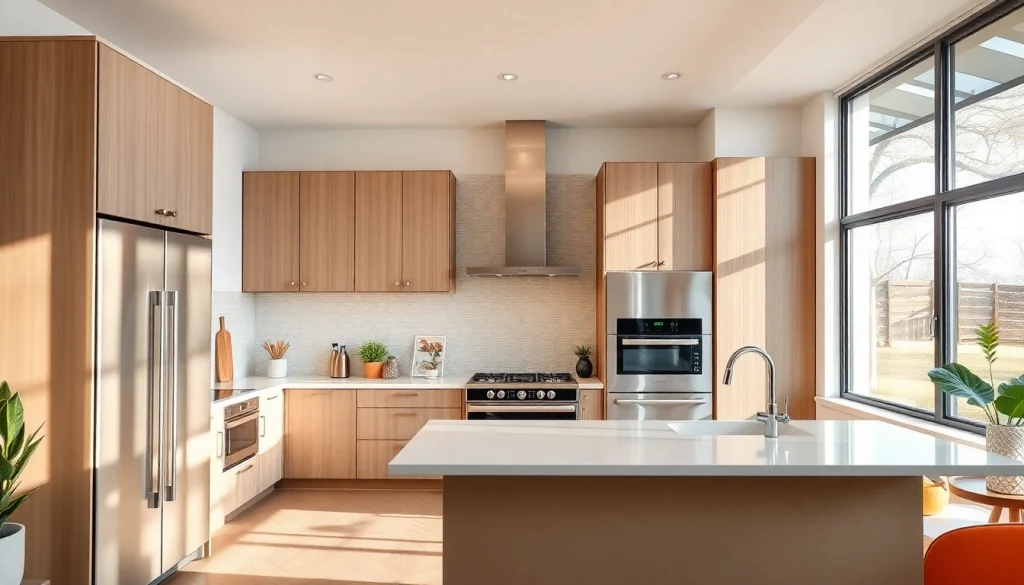
Understanding the Basics of Home Renovation
Home renovation is more than just a simple update to your living space; it encompasses a wide range of activities that can transform a house into a dream home. Whether you plan to enlarge your kitchen, remodel a bathroom, or add a new room, understanding the fundamentals of home renovation is essential to achieve your desired outcome effectively. From initial planning to final touches, this guide aims to provide you with the necessary insights into the world of Home renovation.
Defining Home Renovation
Home renovation refers to the process of improving an existing home structure. This can involve altering the interior or exterior of the house, updating or replacing fixtures, and enhancing its overall appearance and functionality. Common renovation tasks include:
- Kitchens and bathrooms remodels
- Room additions
- Basement finishing
- Exterior improvements such as siding or roofing
- Energy efficiency upgrades
Common Myths About Home Renovation
Home renovation comes with its fair share of misconceptions that can lead to confusion and misinformed decisions. Here are common myths to be aware of:
- Myth: Renovations always increase home value. While many renovations do add value, some may not yield a profitable return on investment.
- Myth: DIY projects are always cheaper. Many homeowners underestimate the costs of DIY and the potential for mistakes, leading to higher expenses in the long run.
- Myth: Renovation projects are quick and easy. In reality, renovations often take longer than planned due to various unforeseen factors, including labor delays and material shortages.
Identifying Your Renovation Goals
Before embarking on a home renovation project, it’s crucial to define your specific goals. Are you looking to enhance aesthetic appeal, improve functionality, or raise the property’s market value? By having clear objectives, you can better plan your renovation project to fit your needs and priorities.
Planning Your Home Renovation
The planning phase is arguably the most critical step in any home renovation project. This stage sets the foundation for success and requires meticulous attention to detail.
Setting a Realistic Budget
Developing a budget is essential to avoid overspending and to ensure you can complete your project as envisioned. Start by listing all potential expenses, including:
- Materials and supplies
- Labor costs
- Permits and inspections
- Contingency funds (typically 10-20% of the total budget)
By recognizing potential costs up front and being realistic about what you can afford, you’ll create financial benchmarks that guide your renovation process.
Creating a Comprehensive Plan
A comprehensive renovation plan includes timelines, construction milestones, and the roles of everyone involved. Take into account factors such as:
- The sequence of renovations (e.g., electrical work before drywall)
- How long each phase is likely to take
- How disruptions will be managed (e.g., living arrangements during major renovations)
This structured approach aids in keeping everyone on the same page and minimizes delays and miscommunication.
Choosing the Right Materials
The materials selected for your renovation can significantly impact both quality and aesthetics. Consider the following when choosing materials:
- Durability: How long will the material last in your space?
- Maintenance: What level of upkeep will be needed?
- Style: Does the material fit in with the overall design vision?
- Budget: Are there more affordable alternatives without compromising quality?
It may be helpful to consult with a designer or contractor to ensure you’re making informed choices that align with your renovation goals.
Executing Your Home Renovation
With a solid plan in place, it’s time to execute your renovation. This phase will require careful management to keep your project on track.
Hiring Skilled Professionals
Depending on the scope of your renovation, you may need to hire skilled professionals such as contractors, electricians, and plumbers. When seeking professionals, consider:
- Checking licenses and insurance
- Reviewing past project portfolios and testimonials
- Obtaining multiple quotes to ensure competitive pricing
Hiring the right team can make a significant difference in the quality and efficiency of your renovation.
Managing the Renovation Timeline
Renovation timelines can be fraught with delays, but effective management can minimize downtime. Here are some strategies:
- Establish a project timeline with clear deadlines for each phase.
- Communicate regularly with your team to address potential issues before they escalate.
- Be flexible and prepared for unexpected delays or changes, and build buffer time into your project schedule.
Effective Communication with Contractors
Good communication is vital to ensure that your vision is realized. Here are practical ways to maintain effective communication:
- Schedule regular updates to discuss progress and any changes that may arise.
- Use visual aids, like sketches or mood boards, to clarify design intentions.
- Keep a project journal where you can record decisions and feedback to refer back to.
By fostering an environment of open dialogue, you can build trust and ensure that everyone is aligned with the project goals.
Innovative Ideas for Home Renovation
Innovation can elevate your home renovation from basic to extraordinary. Below are some cutting-edge ideas and trends to inspire your project.
Sustainable Renovation Practices
With increased awareness of environmental impact, sustainable renovation practices are becoming a priority for many. Some ideas to implement include:
- Using reclaimed or recycled materials to reduce waste
- Incorporating energy-efficient appliances and fixtures
- Introducing sustainable insulation and energy-efficient windows
These practices not only help the environment but can also lead to reductions in energy bills over time.
Incorporating Smart Home Technology
Modern renovations increasingly feature smart home technology. Options include:
- Smart thermostats that optimize energy usage
- Automated lighting systems that can be controlled remotely
- Security systems integrated with smartphones for modern safety
Smart technology can enhance convenience and increase the appeal of your home to future buyers.
Trendy Designs for Modern Spaces
Finally, consider incorporating current design trends, such as:
- Open floor plans that create a sense of spaciousness
- The use of natural materials like wood and stone for a warm aesthetic
- Bold colors and artistic tiling that serve as statement pieces
Staying up-to-date with trends not only ensures your home looks stylish but can also increase its value.
Evaluating Post-Renovation Results
Once the renovation is complete, it is important to evaluate the results against your original goals. This can help you appreciate your achievements and provide insight for any future projects.
Assessing Property Value Increases
One of the primary objectives of many renovations is to increase the property’s market value. To evaluate whether your renovations have achieved this goal:
- Consult with a real estate expert to appraise your home.
- Compare similar homes in your area that have not been renovated for context.
- Consider improvements in your living quality, not just market value.
Gathering Feedback from Family and Friends
Another way to assess the outcome of your renovation is by seeking feedback from those who will use the space. Questions to consider include:
- Do they feel the space is more functional?
- Is the design appealing to them?
- What aspects do they appreciate the most?
By gathering diverse perspectives, you can understand how well your renovation met its intended goals.
Maintaining Your Newly Renovated Space
Lastly, to protect your investment and maintain the integrity of your renovations, regular maintenance is essential. Create a maintenance schedule that includes:
- Routine inspections of systems and appliances
- Cleaning and upkeep of surfaces
- Regular checks of roofing and siding for wear and tear
By dedicating time to proper upkeep, you can ensure your home remains beautiful and functional long after the dust has settled.