Understanding the Basics of Gardening
Gardening is a fulfilling and enriching activity that connects individuals with nature. It encompasses the process of growing various plants, including flowers, fruits, vegetables, and herbs. By engaging in Gardening, you not only cultivate beauty and sustenance in your environment but also gain health benefits and a sense of accomplishment. This comprehensive guide explores the fundamentals of Gardening, diving into the elements that contribute to a successful garden, the techniques required, the essential tools, tackling common challenges, and advanced strategies for expert gardeners.
What is Gardening?
At its core, Gardening involves the cultivation of plants for various purposes, especially for aesthetics and utility. Whether you aim to grow an assortment of vibrant flowers to beautify your outdoor space or wish to indulge in the pleasure of home-grown vegetables, understanding the basic principles of Gardening is critical. Gardening can be as simple as planting a few herbs in pots or as complex as designing an elaborate landscape with diverse plants that thrive in harmony.
Importance of Soil Quality in Gardening
The foundation of every successful garden lies in its soil. Soil quality affects plant health and growth, providing essential nutrients, water retention, and drainage. Quality soil is rich in organic matter, which not only nurtures plants but also supports beneficial microorganisms that aid in decomposition and nutrient uptake. Conducting a soil test to determine its pH, nutrient levels, and texture can guide gardeners in selecting suitable amendments to enhance soil composition.
Choosing the Right Plants for Your Garden
Plants are the heart of any garden, and selecting the right species is paramount. Factors to consider include your climate zone, soil type, and sunlight availability. Native plants often thrive better with less maintenance, while annuals and perennials can add vibrant color and diversity. Researching the growth habits and requirements of potential plants will promote a healthier and more visually appealing garden landscape.
Techniques for Effective Gardening
The success of any garden heavily relies on the techniques employed during the cultivation process. From watering methods to fertilization, implementing the right strategies will establish a robust growing environment.
Watering Techniques for Healthy Gardening
Watering is a critical aspect of Gardening that requires knowledge of both quantity and frequency. Over-watering can cause root rot while under-watering leads to drought stress. Using methods like drip irrigation, soaker hoses, or rainwater collection not only conserves water but ensures consistent moisture levels. Observing your plants and soil moisture can guide you in developing a watering schedule that suits their needs.
Fertilizing 101: Boosting Your Gardening Growth
Fertilizers provide essential nutrients that promote healthy growth. Understanding the macronutrients—nitrogen (N), phosphorus (P), and potassium (K)—is fundamental. Organic options such as compost, vermicompost, and well-rotted manure enrich the soil while fostering a healthy ecosystem. Understanding the right timing and application methods of fertilizers maximizes their effectiveness and minimizes environmental impact.
Pruning and Maintenance for Flourishing Gardens
Regular maintenance, including pruning, weeding, and deadheading, keeps plants healthy and encourages growth. Pruning removes dead or diseased branches, promoting better air circulation and light penetration. Additionally, routine weeding prevents competition for nutrients and leads to stronger plants. Creating a maintenance schedule aligned with the growth cycles of your plants will enhance overall garden health.
Gardening Tools and Supplies
Equipped with the right tools and supplies, gardeners can enhance their efficiency and success. Investing in quality tools may seem costly up front but pays off in the long term, ensuring that tasks are conveniently and effectively performed.
Essential Tools Every Gardener Needs
A well-equipped gardener typically needs several essential tools. Some of these include:
- Hand Tools: Trowels, pruners, and weeders are vital for planting and maintenance.
- Digging Tools: Shovels and spades assist in soil preparation and landscape alteration.
- Watering Equipment: Hoses, watering cans, and irrigation systems ensure plants receive adequate hydration.
- Protective Gear: Gloves and knee pads protect against injuries while gardening.
Choosing the Right Containers for Gardening
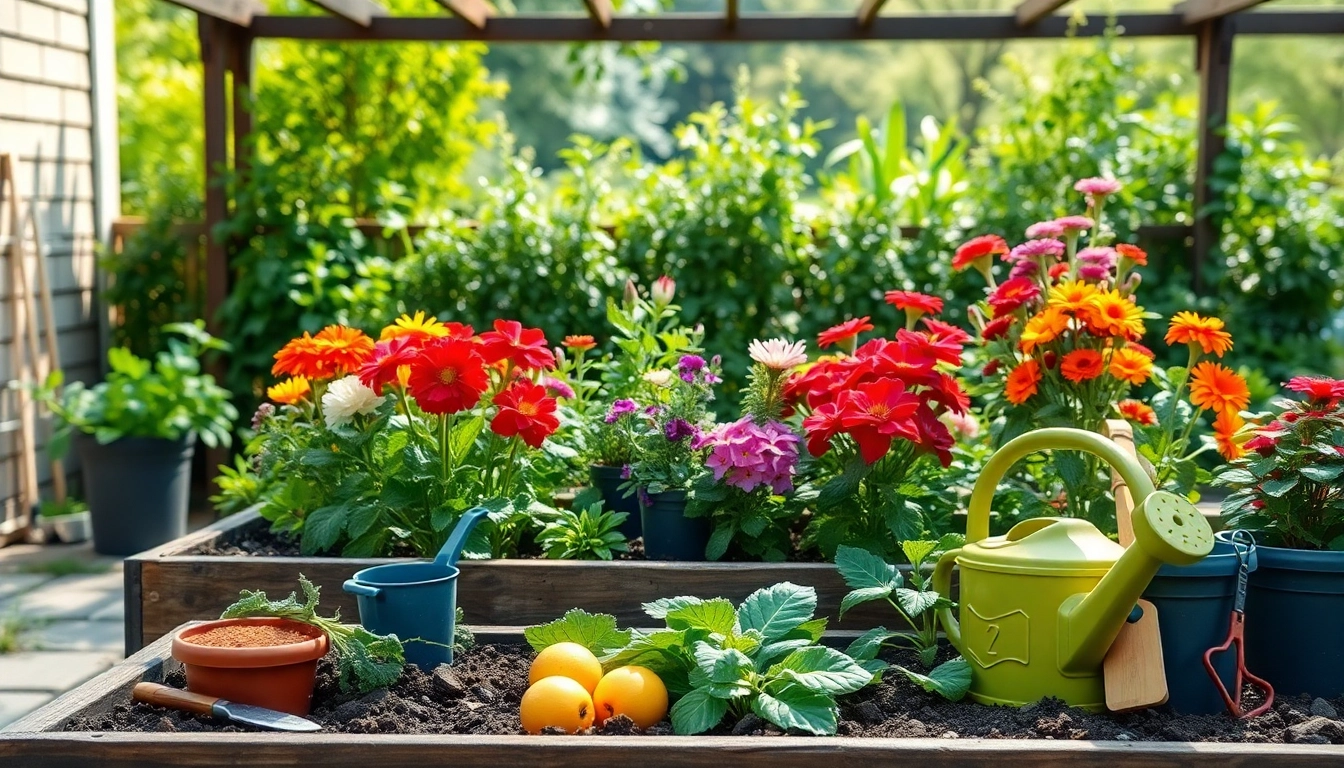
Container gardening is an excellent option for those with limited space or poor soil. When selecting containers, consider size, material, and drainage. Choose pots that can accommodate plant root systems while offering enough drainage holes to prevent water logging. Additionally, decorative containers can enhance the visual appeal of patios or balconies while still supporting plant growth.
Eco-Friendly Gardening Supplies and Their Benefits
Using eco-friendly gardening supplies has numerous advantages, including promoting sustainable practices and protecting the environment. Options include biodegradable pots, organic fertilizers, natural pest deterrents, and compostable plant pots. These supplies minimize chemical runoff and promote a healthy ecosystem, enhancing the longevity and productivity of garden spaces.
Common Challenges in Gardening
Despite careful planning and execution, gardeners often face various challenges. However, understanding these obstacles and implementing effective solutions can lead to a thriving garden.
Pest Control Strategies for Gardening Success
Pests can wreak havoc on a garden if not managed. Integrated pest management (IPM) strategies promote a balanced approach using non-toxic methods to deter pests. Techniques such as introducing beneficial insects, creating barriers, and utilizing natural repellents can mitigate damage while preserving the ecosystem. Regular monitoring of your garden for early signs of pests enables prompt intervention.
Dealing with Invasive Plants in Gardening
Invasive species can outcompete native plants, disrupting the local ecosystem. Identifying invasive species and understanding their growth mechanisms is crucial. Employing strategies such as manual removal, installing barriers, and using mulch can help control invasive species while encouraging native growth. Always research plant selections to avoid introducing invasive species into your garden.
Weather Impacts on Your Gardening Efforts
Weather conditions can significantly affect Gardening efforts, as factors such as temperature fluctuations, precipitation levels, and extreme weather events can impact plant health. Utilizing micro-climates within your garden, covering plants during harsh weather, and selecting resilient plant varieties can mitigate adverse effects. Adjusting your garden’s layout to accommodate these factors can also promote success.
Advanced Gardening Techniques
For those looking to elevate their Gardening skills, advanced techniques such as vertical gardening, organic practices, and hydroponics can offer exciting opportunities for creativity and sustainability.
Vertical Gardening: Maximizing Space
Vertical gardening involves growing plants upwards rather than outwards, making it ideal for small spaces and urban environments. This technique maximizes sunlight exposure and can enhance aesthetic appeal. Methods include using trellises, wall planters, and hanging pots. Additionally, vertical gardening can improve air circulation, reducing disease incidence among plants.
Organic Gardening Practices for Sustainability
Organic Gardening focuses on sustainability and ecological balance. Methods include using natural fertilizers, practicing crop rotation, and avoiding chemical pesticides. Creating a closed-loop system through composting can foster soil health and reduce waste. Organic Gardening promotes biodiversity and supports local ecosystems while providing nutrient-dense food.
Hydroponics vs. Traditional Gardening: What’s Best?
Choosing between hydroponics and traditional Gardening depends on space, resources, and personal preferences. Hydroponics, which involves growing plants in nutrient-rich water, offers faster growth rates, reduced water usage, and less risk of soil-borne diseases. However, traditional soil-based gardening is more accessible for beginners and allows for a natural ecosystem development. Weighing the pros and cons of both will guide gardeners in selecting the best approach for their needs.