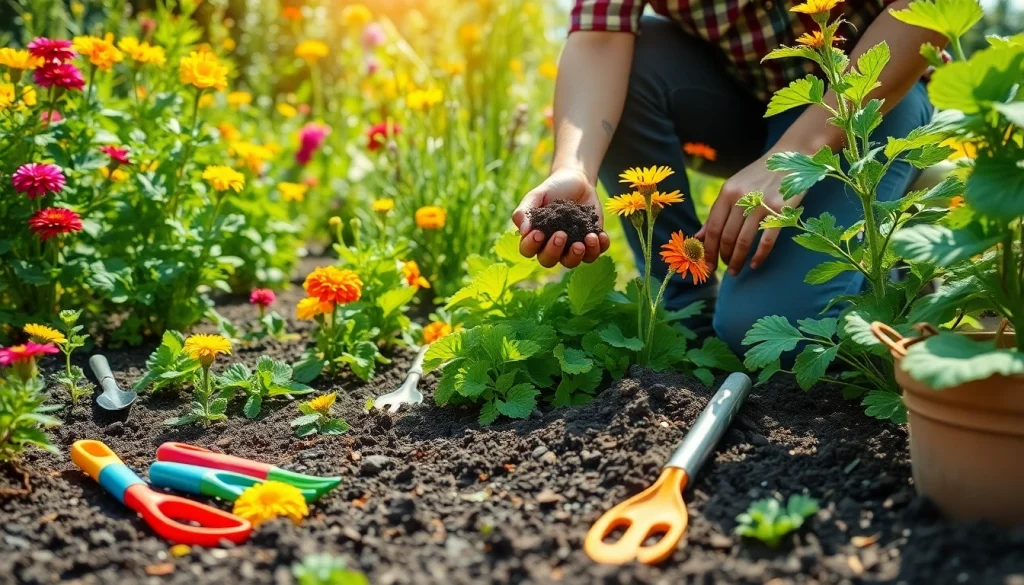
Getting Started with Gardening
Gardening is more than just a hobby; it’s an enriching experience that nurtures both the earth and the soul. From vibrant blooms to delicious vegetables, the rewards of cultivating your garden are boundless. If you’re looking to dive into the world of Gardening, understanding the basics can set the foundation for a successful journey.
Understanding Gardening Basics
At its core, gardening is the art and science of growing plants. Whether you’re interested in flowers, vegetables, or herbs, grasping the essential elements of plant care is crucial. This includes knowledge about plant types, growth conditions, and the ecological relationships that influence plant health.
Start by familiarizing yourself with the types of plants suitable for your growing zone, which refers to the average minimum temperature in your area. This understanding will guide you in selecting plants that can thrive in your climate. Additionally, consider the basic needs of plants: sunlight, water, soil, and air. Each of these factors plays a vital role in plant development.
Choosing the Right Plants
Choosing plants can be both exciting and daunting, especially for beginners. Start with species that are known for their hardiness and ease of growth. For instance, tomatoes, radishes, and marigolds are excellent beginner-friendly options. It’s also essential to consider your garden’s location—some plants prefer full sun, while others thrive in partial shade.
Use online resources or local gardening centers to gather knowledge about native species. Native plants are adapted to the local environment, making them more resilient and beneficial for local wildlife, including pollinators like bees and butterflies.
Essential Gardening Tools and Supplies
No gardener should be without the right tools. Here’s a rundown of some essential items:
- Hand trowel: Ideal for digging small holes and transplanting seedlings.
- Pruning shears: Great for trimming plants and encouraging new growth.
- Garden fork: Useful for loosening soil and removing weeds.
- Watering can or hose: Necessary for effective watering.
- Gloves: Protect your hands while working with soil and plants.
- Rake and shovel: Essential for preparing garden beds and cleaning up debris.
Investing in quality tools will save time and effort. You don’t need to buy everything at once; start with the basics and expand your collection as you gain more experience.
Soil and Planting Techniques
Preparing Your Garden Soil
Soil is often referred to as the lifeblood of a garden, providing essential nutrients and support for plants. Before planting, it’s crucial to prepare your soil correctly. Start by testing it for pH and nutrient content. Many local cooperative extensions offer soil testing services that can guide your amendments.
Once you understand your soil’s requirements, incorporate organic matter like compost or well-rotted manure. This not only enhances soil structure but also boosts nutrient levels. Aim for a loamy texture, which retains moisture while allowing excess water to drain.
Effective Planting Methods
There are several planting techniques, and the best method often depends on the specific plants you wish to grow. The most common methods include:
- Sowing seeds directly: Ideal for hardy vegetables like beans and carrots.
- Transplanting seedlings: A preferred method for delicate plants, giving them a head start indoors.
- Using containers: Great for limited spaces and allows for easier control of soil conditions.
When planting, always follow the recommended depth guidelines, as this varies between different types of seeds and plants.
Companion Planting Strategies
Companion planting involves growing different plants in proximity for mutual benefit. Certain plants can deter pests, provide support, or enhance each other’s growth. For instance, planting marigolds near vegetables can repel common pests, while the combination of tomatoes and basil is known to improve flavor.
Research the best companion plants for your garden to maximize yields and reduce chemical interventions. Additionally, maintaining biodiversity can help create a more resilient garden ecosystem.
Watering and Maintenance Strategies
Establishing a Watering Routine
A consistent watering routine is vital for plant health. Early in the day is the best time to water, as temperatures are cooler and evaporation is minimized. Aim to provide an inch of water per week, either through rainfall or irrigation.
Use mulch around plants to retain soil moisture, suppress weeds, and regulate soil temperature. If you are using drip irrigation systems or soaker hoses, adjust your settings according to weather conditions to avoid overwatering.
Pest Control and Plant Care
Pest management is a crucial aspect of gardening. Regularly inspect your plants for signs of infestation, such as discolored leaves or visible insects. Employ integrated pest management (IPM) strategies that include biological, physical, and chemical controls.
Encouraging beneficial insects like ladybugs and lacewings can naturally reduce pest populations. Moreover, rotating crops annually can help in minimizing soil-borne issues.
Seasonal Gardening Maintenance
Maintaining your garden through the seasons requires adapting to changing conditions. In spring, focus on planting and nourishing new growth. Summer demands consistent watering and weeding. As fall approaches, it’s time to harvest and prepare your garden for winter by cleaning up debris and planning for next year.
In winter, take the opportunity to plan your spring garden layout and research potential new plants you might want to try. A dormant season can be productive; it’s all about preparation for the next growing cycle.
Harvesting Techniques and Tips
When to Harvest Your Plants
Harvesting at the right time is crucial for the best flavor and quality. Each plant has a specific maturity time frame, which can typically be found on seed packets or plant labels. Observing color, size, and firmness can also indicate if a fruit or vegetable is ready to be picked.
For herbs, regular snipping will encourage bushier growth. Always pick during the cool hours of the morning to maximize flavor and freshness.
Best Practices for Harvesting
Use sharp tools such as scissors or pruners to minimize damage to plants during harvesting. Be gentle during the process to prevent bruising, especially with delicate fruits like berries. Collect produce in a breathable container, such as a basket, to ensure that air circulation keeps your haul fresh.
Storing and Preserving Your Produce
The proper storage techniques will help prolong the lifespan of your produce. Different items require various conditions; for instance, root vegetables like potatoes should be stored in a cool, dark area, while leafy greens prefer moisture.
Consider preserving excess harvests through canning, freezing, or dehydrating. These methods allow you to enjoy your garden’s bounty long after the season ends.
Advanced Gardening Concepts
Organic Gardening Practices
Organic gardening focuses on natural processes and sustainable practices. This means avoiding synthetic fertilizers and pesticides, instead opting for organic amendments, crop rotation, and companion planting. The aim is to create a healthy, living soil environment that nurtures plants naturally.
Adopting organic methods not only minimizes your environmental impact but can also lead to healthier produce for you and your community.
Creating a Sustainable Garden
A sustainable garden conserves resources and promotes biodiversity. This can be achieved by incorporating native plants, which require less water and are more resilient against local pests. Implementing rainwater harvesting systems and composting can also significantly reduce your footprint.
Consider designing your garden layout to include pollinator habitats. Simple elements like wildflower patches and small water sources can make a substantial difference in attracting and supporting pollinators.
Garden Design and Layout Ideas
Successful garden design combines aesthetics with functionality. Start by sketching your plot to spatially allocate areas for different types of plants, pathways, and resting spots. Popular layouts include raised beds, vertical gardens, and container arrangements.
Utilizing vertical space can be particularly beneficial in smaller gardens. Install trellises for climbing plants or hang containers from walls. This not only maximizes space but can also create visual interest.