
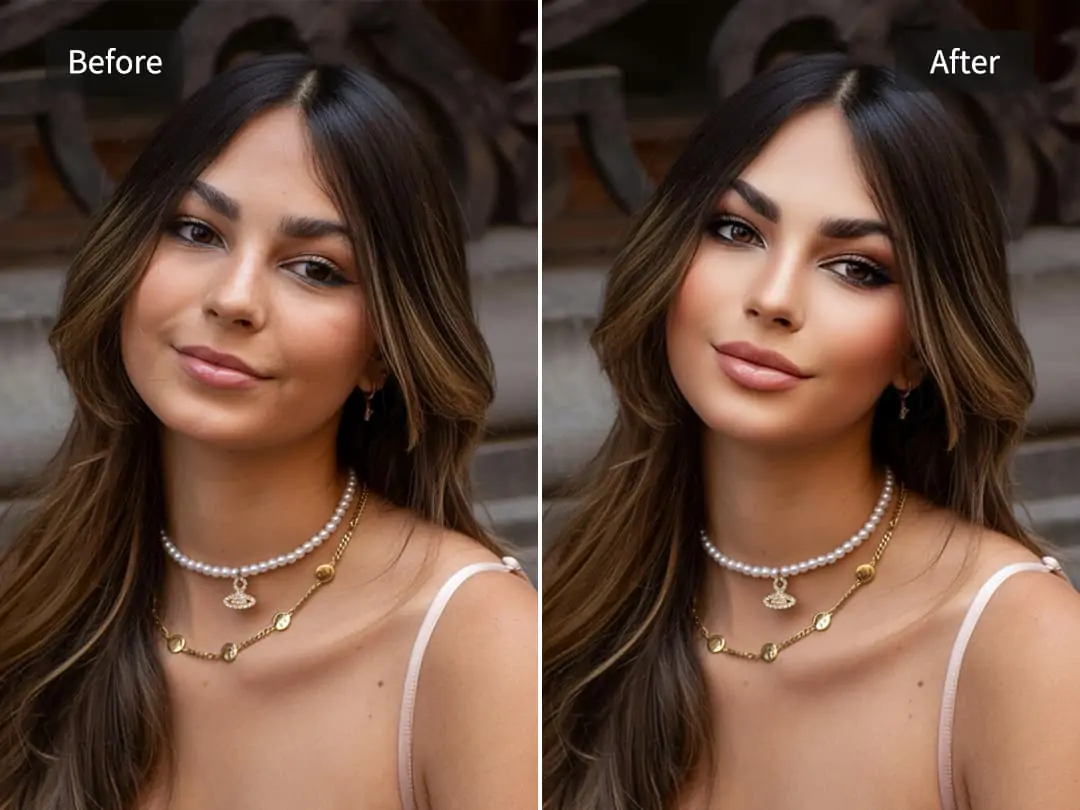
Scrolling through social media today, it is difficult to ignore the polished perfection of countless images. Faces appear symmetrical, skin flawless, eyes brighter, and bodies sculpted in ways most people cannot naturally achieve. Emerging research now suggests that digital beauty filters—tools designed to enhance appearance in photos and videos—do more than just improve aesthetics; they actively shape societal perceptions of beauty, influence self-worth, and affect social behavior across all age groups.
This emerging research delves into how filters modify both personal and collective standards of attractiveness. Even when users know that digital alterations exist, the brain often treats filtered images as normal, creating expectations that real-life appearance cannot easily meet. Understanding the social consequences of these tools is crucial as their use becomes more widespread and embedded in online culture.
- How Digital Beauty Filters Operate and Why the Research Matters
- The Role of Self-Objectification in Filter Use
- The Social Influence of Filtered Beauty
- Internalization of Digital Beauty Standards
- Link Between Filter Use and Cosmetic Procedure Consideration
- Age-Specific Impacts of Digital Filters
- Long-Term Social Consequences
- Mental Health Considerations and Trends
- Policy Implications and Platform Awareness
- FAQs About Beauty Filters and Emerging Research
How Digital Beauty Filters Operate and Why the Research Matters
Digital beauty filters are far more than simple photo enhancers. Modern filters smooth skin, enlarge eyes, refine jawlines, whiten teeth, and subtly adjust body proportions. According to emerging research, repeated exposure to these altered images can lead users to perceive digital perfection as a baseline standard.
The social implications are significant. Individuals frequently compare themselves to filtered representations, leading to critical self-evaluations. This research emphasizes that the psychological effects are not fleeting; over time, they can erode confidence, increase self-consciousness, and foster a reliance on digital enhancement for social approval. By highlighting these mechanisms, the research underscores the importance of understanding filters not just as aesthetic tools but as social influencers with measurable psychological impact.
The Role of Self-Objectification in Filter Use
A major finding of this emerging research is that filter use promotes self-objectification, the tendency to view oneself primarily as an object to be evaluated visually. Users often monitor their appearance, asking questions such as, “Does my skin look perfect?” or “Would I appear more attractive if I resembled my filtered self?”
Appearance surveillance, as described in the research, can be mentally exhausting. Those who frequently use filters often report heightened anxiety about their natural appearance, discomfort in unedited settings, and persistent preoccupation with visual perfection. This research highlights that self-objectification is more than simple insecurity—it is a structured mental habit amplified by repeated exposure to enhanced digital images.
The Social Influence of Filtered Beauty
Digital filters not only impact individual self-perception but also shift societal norms around attractiveness. When most social media users present edited images, feeds become a distorted representation of reality. Emerging research demonstrates that this creates the illusion that flawless features are common, fostering unrealistic expectations for appearance in everyday life.
One notable phenomenon highlighted by the research is the “upgrade mindset.” Constant exposure to idealized faces trains users to expect perfection in potential partners, friends, or colleagues. At the same time, natural traits like asymmetry, aging, and body diversity are increasingly perceived as imperfections rather than unique features. Over time, this shift can erode empathy, increase social competition, and reinforce narrow standards of beauty across age and cultural groups.
Internalization of Digital Beauty Standards
Internalization occurs when external ideals are adopted as personal benchmarks. Emerging research indicates that users who frequently interact with filtered images are more likely to adopt digitally enhanced features as aspirational standards. This process often intensifies dissatisfaction with natural appearance, reducing self-confidence and influencing everyday social behavior.
The internalization pipeline identified by the research follows a predictable path: exposure to idealized images leads to comparison, which fosters dissatisfaction, and ultimately increases the desire to emulate these standards. Filters accelerate this process by offering a consistent, easily accessible model of “ideal” beauty, resulting in prolonged cycles of self-scrutiny and negative self-perception.
Link Between Filter Use and Cosmetic Procedure Consideration
Emerging research also explores how filter use can influence interest in cosmetic procedures. While filters do not directly cause surgical interventions, individuals frequently exposed to digitally perfected images may view their unedited appearance as inadequate. This perception can increase curiosity about cosmetic changes as a means to replicate the digitally enhanced look.
The research shows that this trend contributes to broader cultural pressures to conform visually. Even for those who do not pursue procedures, the normalized expectation that appearance can and should be modified reinforces the social perception that natural aging, facial asymmetry, or minor imperfections are problems to solve rather than natural variations.
Age-Specific Impacts of Digital Filters
The research identifies unique effects of beauty filters across different age groups. Teens and young adults, still forming their identities, are particularly vulnerable. Filter use can result in fragile self-esteem, early perfectionistic habits, and anxiety about presenting their unedited selves. This group often experiences tension between an idealized online persona and an authentic offline self, leading to persistent psychological stress.
Adults face pressures related to dating, professional visibility, and aging. Filters erase signs of age, creating digital ideals that are challenging to achieve naturally. This can result in relationship insecurity, performance anxiety, and a heightened need for social validation.
Older adults confront additional challenges. Filters can temporarily reverse visible aging, but repeated exposure increases internalized shame regarding natural aging processes. Emerging research indicates that older users may feel pressure to appear perpetually youthful, reinforcing the societal preference for filtered beauty over authentic age representation.
Long-Term Social Consequences
Emerging research suggests that widespread filter use has significant societal implications. When digitally enhanced beauty becomes normalized, social expectations adapt, redefining what is considered attractive or acceptable. Attention and social validation are often granted to those who visually conform, while those who do not may feel marginalized.
Filters can also reduce authenticity. Users may hide their real emotions or avoid situations where they cannot maintain a digitally enhanced appearance, leading to social isolation despite high levels of online interaction. The research emphasizes that these effects extend beyond individual experiences, influencing societal norms and reinforcing narrow beauty standards across communities.
Mental Health Considerations and Trends
Repeated exposure to filtered images has been linked to mental health challenges. Emerging research highlights potential increases in anxiety, depression, body dysmorphic tendencies, and compulsive editing behaviors. The feedback loop identified in the research is particularly concerning: digitally enhanced appearance feels superior, the unfiltered self feels inadequate, and reliance on filters grows, deepening dissatisfaction over time.
Without awareness or intentional adjustment of media habits, these patterns can become entrenched, affecting users of all ages. The research underscores the importance of moderation, media literacy, and critical engagement with digital content as strategies for maintaining healthy self-perception.
Policy Implications and Platform Awareness
Governments and social media platforms are beginning to recognize the influence of beauty filters. Emerging research notes ongoing discussions about regulating excessive beautification effects, especially on platforms with significant youth engagement. Although enforcement remains complex, acknowledging the social and psychological consequences of filter use is a critical first step toward responsible platform design and safer digital environments.
FAQs About Beauty Filters and Emerging Research
What is a beauty filter? A beauty filter is a digital tool that alters appearance in photos or videos, smoothing skin, reshaping facial features, or adjusting body proportions in real time.
Do filters affect self-esteem? Emerging research indicates that filter use can increase self-objectification, comparison, and dissatisfaction with unedited appearance, lowering self-esteem over time.
Are filters only a concern for teens? No. Adults and older users also experience pressure from filtered images related to dating, career visibility, and aging.
Can filters influence interest in cosmetic procedures? Yes. Emerging research shows that frequent exposure to filtered images correlates with greater consideration of cosmetic interventions to achieve digitally enhanced ideals.
Do filters cause eating disorders? Filters do not directly cause eating disorders but can increase risk by promoting unrealistic body standards and emphasizing digitally perfected physiques.
What is the “upgrade mindset” in social interactions? The research describes it as a tendency to expect perfection in others based on repeated exposure to idealized digital appearances, which can reduce appreciation for natural variation.
How can users reduce filter-related anxiety? Maintaining a balance of filtered and unfiltered experiences, practicing self-compassion, and limiting comparison with edited images are key strategies recommended by research.