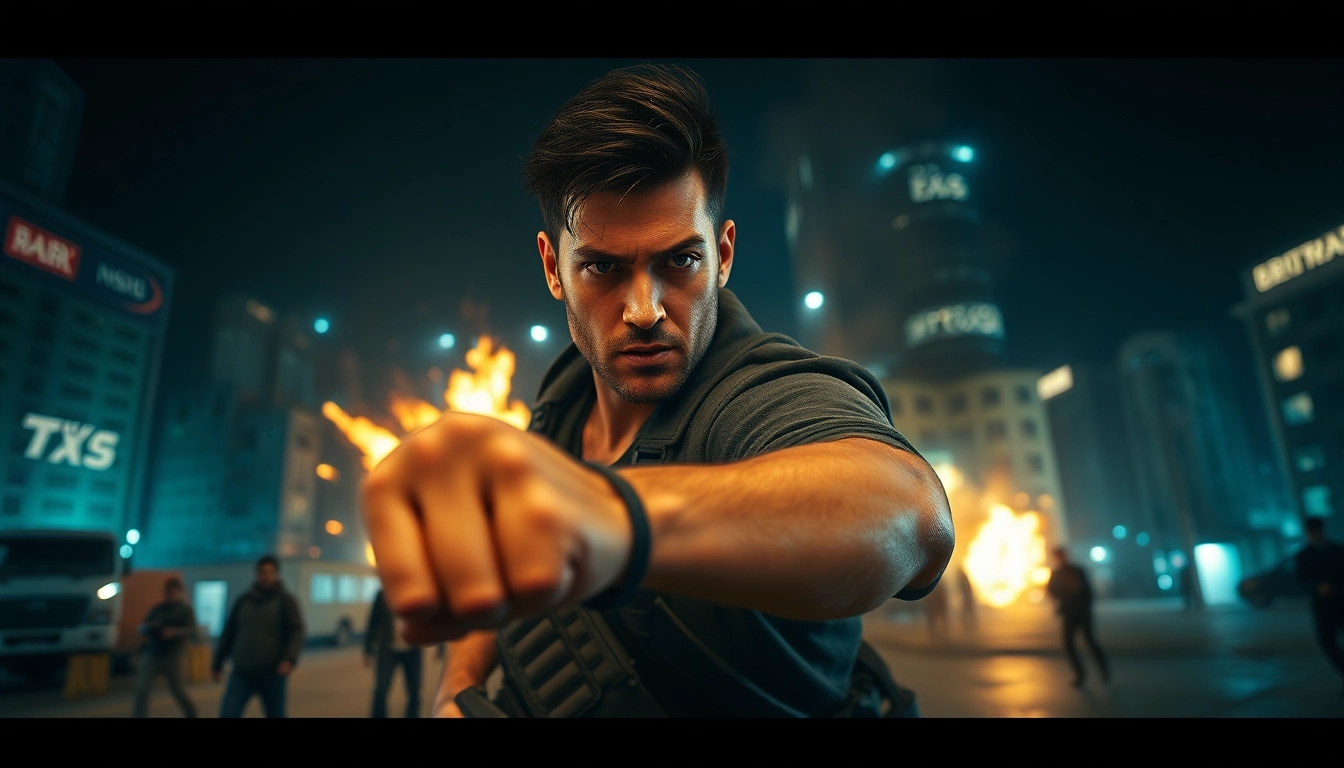

Understanding Cinematic Video Production
What is Cinematic Video Production?
Cinematic video production refers to the art and technique of creating videos that feel like films. This style focuses on storytelling, aesthetic presentation, and emotional engagement, often resulting in a more immersive viewer experience. A key aspect involves using advanced techniques and equipment to achieve a high production value that elevates the ordinary to the extraordinary. By blending visuals, sound, and narrative, the essence of cinematic storytelling is captured, drawing audiences into the narrative.
This approach is not just confined to movies; it extends to commercials, corporate videos, and even personal projects. By understanding and mastering Cinematic video production, videographers can transform simple ideas into visually compelling stories that resonate deeply with viewers.
Core Elements of Cinematic Video Production
The core elements of cinematic video production can be categorized into several key areas: story, visuals, sound, and emotion. Each of these elements plays a vital role in crafting a captivating narrative.
- Story: The narrative is the backbone of any cinematic video. A well-crafted story determines the emotional journey of the audience.
- Visuals: Cinematic techniques, including camera angles, lighting, and composition, create a visually striking experience.
- Sound: The audio landscape, including music and sound effects, enhances the emotional weight and overall impact of the video.
- Emotion: Ultimately, the goal of cinematic video production is to evoke emotions, making viewers feel connected to the story.
Differences Between Cinematic and Standard Video Production
The distinction between cinematic and standard video production is primarily anchored in intention and execution. Standard video production tends to focus on delivering straightforward content, often with lower production values and less emphasis on storytelling elements.
Cinematic video production, in contrast, seeks to engage the audience on a deeper level through heightened sensory experiences and narrative sophistication. This is achieved through advanced cinematography techniques, nuanced sound design, and meticulous post-production work. The result is often a more compelling visual story that stays with viewers long after they have seen it.
Pre-Production Planning for Cinematic Video Production
Scriptwriting: Crafting Your Narrative
Effective scriptwriting is crucial to cinematic video production. Unlike straightforward informational scripts, a cinematic script weaves storytelling elements into a cohesive narrative. It requires a focus on character development, dialogue, and dramatic structure. This stage often involves multiple drafts and feedback sessions to refine ideas and ensure that the script resonates emotionally with the audience.
Utilizing techniques like the three-act structure can help to enhance the pacing and flow of the narrative, allowing for peaks of tension and resolution that are vital for audience engagement.
Storyboarding: Visualizing Your Scenes
Storyboarding serves as a visual blueprint for the production. It maps out the sequence of shots, the framing of each scene, and how characters will be depicted within each frame. This pre-visualization not only aids in filming logistics but helps convey the intended emotions and pacing of the final video.
Tools such as digital storyboarding software can streamline this process, allowing for quick adjustments and collaborative input from the production team.
Budgeting and Schedule Management
Effective budgeting and schedule management are fundamental components of a successful cinematic production. A detailed budget should cover all aspects, from equipment rental and location fees to crew salaries and post-production costs. Transparency in financial planning can help avoid unexpected expenses that could derail the project.
Creating a realistic timeline that aligns with the project’s scope also ensures that all elements can come together seamlessly during production, enhancing the studio’s ability to adapt to unforeseen challenges.
Filming Techniques in Cinematic Video Production
Camera Angles and Movements
Camera angles and movements can significantly impact the viewer’s perception of the story. Techniques such as dolly shots, tracking shots, and aerial views can add dynamism to the narrative. Each angle conveys a different emotion, allowing the filmmaker to manipulate audience reactions throughout the video.
The choice of lenses, depth of field, and camera stability also play a crucial role in achieving that cinematic look, with steady shots often contributing to a more polished and professional finish.
Lighting Techniques for Mood Creation
Lighting is a critical aspect of cinematic video production, as it influences the mood and tone of each scene. Techniques such as three-point lighting and chiaroscuro can create depth and dimension, enhancing the visual storytelling experience. Natural light can also be harnessed effectively to produce authentic, emotive scenes.
Understanding how lighting interacts with colors and shadows can aid in creating the intended feel of each scene, whether it’s a bright, happy moment or a dark, suspenseful encounter.
Sound Design: Enhancing Emotional Impact
Sound design elevates the cinematic experience by incorporating ambient sounds, dialogue clarity, and music scores that enhance the emotional core of the narrative. The interplay of these elements is vital in maintaining audience engagement and driving the overall impact of the video.
Effective sound design is multi-layered and should blend seamlessly with visual elements, providing depth that complements the story being told.
Post-Production: Transforming Raw Footage
Editing: Crafting the Final Narrative
Post-production editing is where the real magic happens. This phase involves piecing together the raw footage to construct a coherent and engaging narrative. Selecting the right shots, pacing the edits, and ensuring smooth transitions are essential for maintaining momentum and emotional impact.
Editing software provides powerful tools for enhancing the video’s storytelling capabilities, enabling editors to manipulate visuals and sound effectively to support the narrative structure.
Color Grading: Setting the Tone
Color grading is a critical step in giving the video a professional finish. It enhances visual aesthetics by correcting color discrepancies and establishing a consistent palette that aligns with the emotional tone of the story. Different color schemes can evoke varying responses from the audience, making this an artistic tool in the filmmaker’s arsenal.
Professional color grading not only improves visual appeal but can also significantly influence audience perception of characters and scenes.
Sound Mixing: Creating a Cohesive Experience
Sound mixing combines dialogue, sound effects, and music into a balanced and harmonious audio track. The clarity of dialogue should be prioritized while ensuring that sound effects and music enhance rather than overwhelm the scene. This phase is crucial for delivering a cohesive audio-visual experience that captivates the audience.
Advanced mixing techniques can improve the depth of sound, making audiences feel more immersed in the storytelling experience.
Measuring Success in Cinematic Video Production
Performance Metrics and KPIs
Measuring success in cinematic video production involves analyzing various performance metrics and key performance indicators (KPIs). Viewer engagement, retention rates, and audience feedback are essential for evaluating the impact of the production. Metrics can include the number of views, shares, and comments across various platforms.
Understanding these metrics helps filmmakers assess what resonates with their audience and informs adjustments for future projects.
Audience Engagement Strategies
Engaging an audience goes beyond just the video itself. Promotion strategies, social media engagement, and community interactions can significantly enhance audience connection with the content. Building a strong online presence and sharing behind-the-scenes insights can foster a sense of involvement and loyalty among viewers.
Creative marketing strategies that accompany video releases play a key role in driving audience engagement and ensuring maximum reach.
Case Studies: Successful Cinematic Video Production Examples
Analyzing successful case studies in cinematic video production can provide valuable insights into effective practices. Examining how these productions engaged audiences, utilized cinematic techniques, and effectively measured their success can provide actionable tips for beginners and seasoned producers alike.
These examples not only showcase the potential of cinematic storytelling but also illustrate the impact of a well-planned and executed video production strategy.
FAQs About Cinematic Video Production
What equipment is needed for cinematic video production?
While high-end cameras and lenses are essential, additional gear such as stabilizers, lighting equipment, and sound recording devices are also crucial for achieving a cinematic look.
How can I improve my scriptwriting for cinematic videos?
Focus on character development, structure your narrative with a clear beginning, middle, and end, and seek feedback to refine your script effectively.
What role does music play in cinematic video production?
Music sets the tone and emotional depth of a scene, influencing how the audience feels and reacts. Carefully selected scores enhance the storytelling experience.
How important is post-production in cinematic video production?
Post-production is essential as it transforms raw footage into a polished, cohesive final product that can substantially impact audience engagement and satisfaction.
Can I create a cinematic video on a budget?
Absolutely! Focus on storytelling, use natural light, and seek out affordable equipment to create visually striking content without significant financial investment.